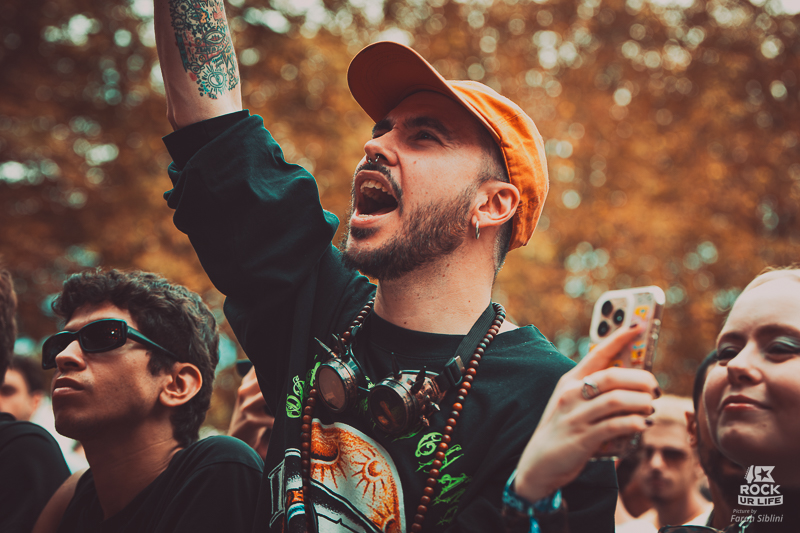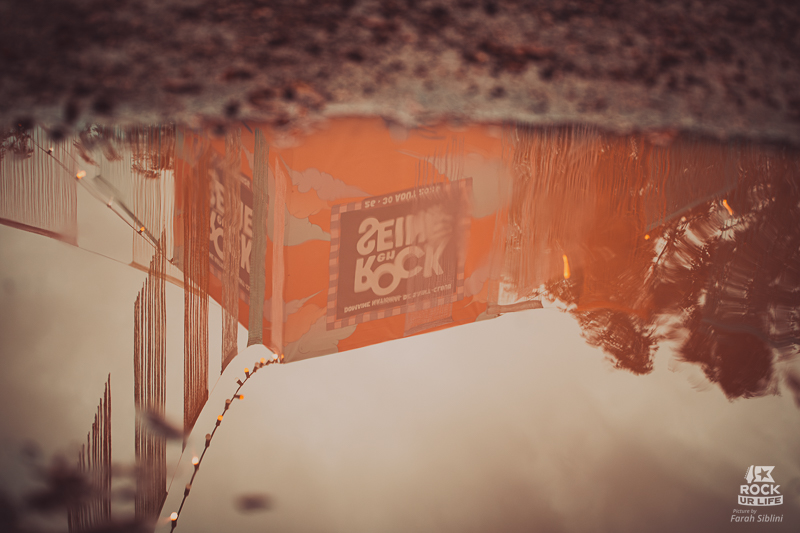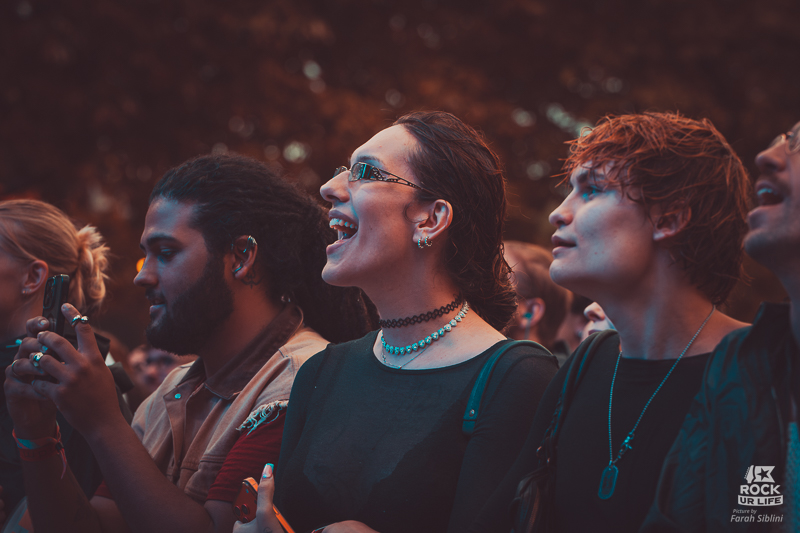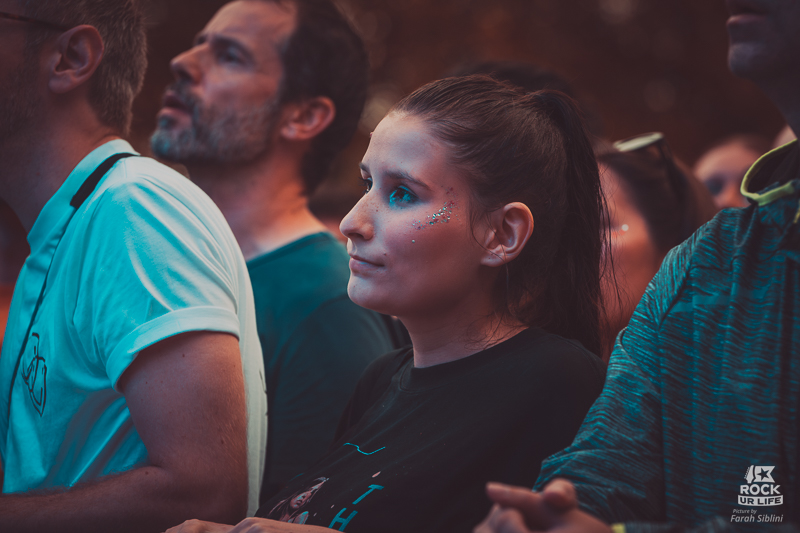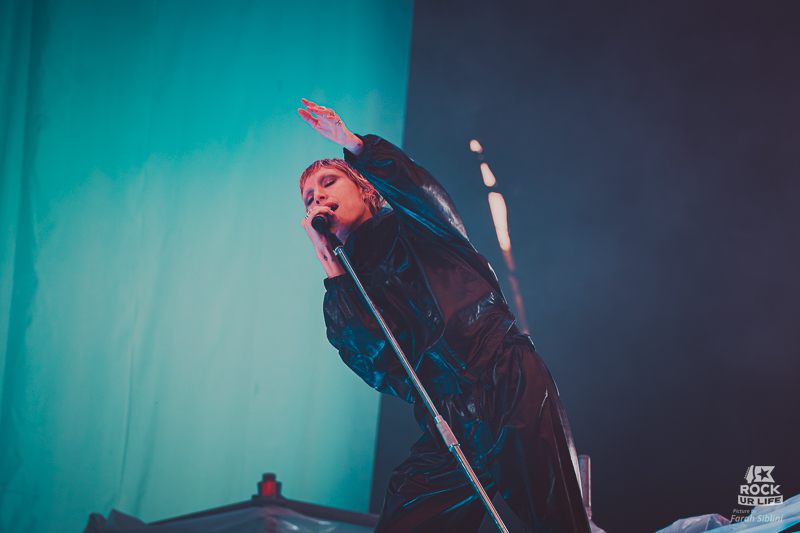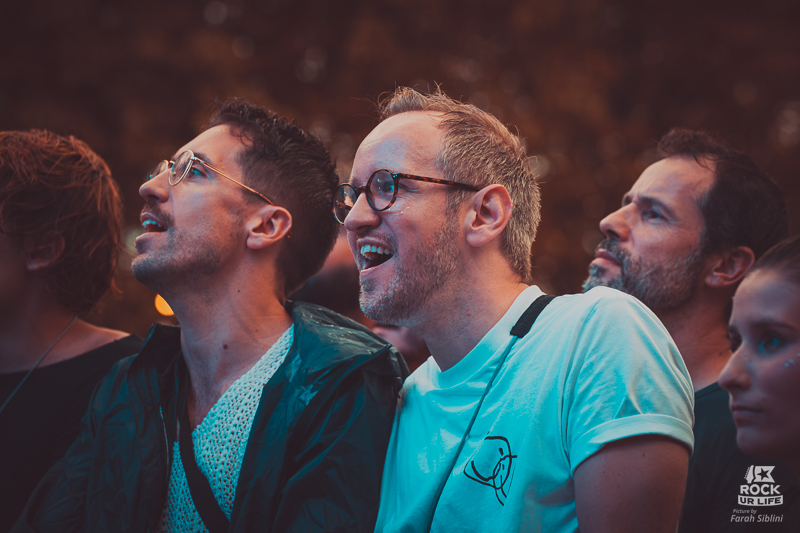
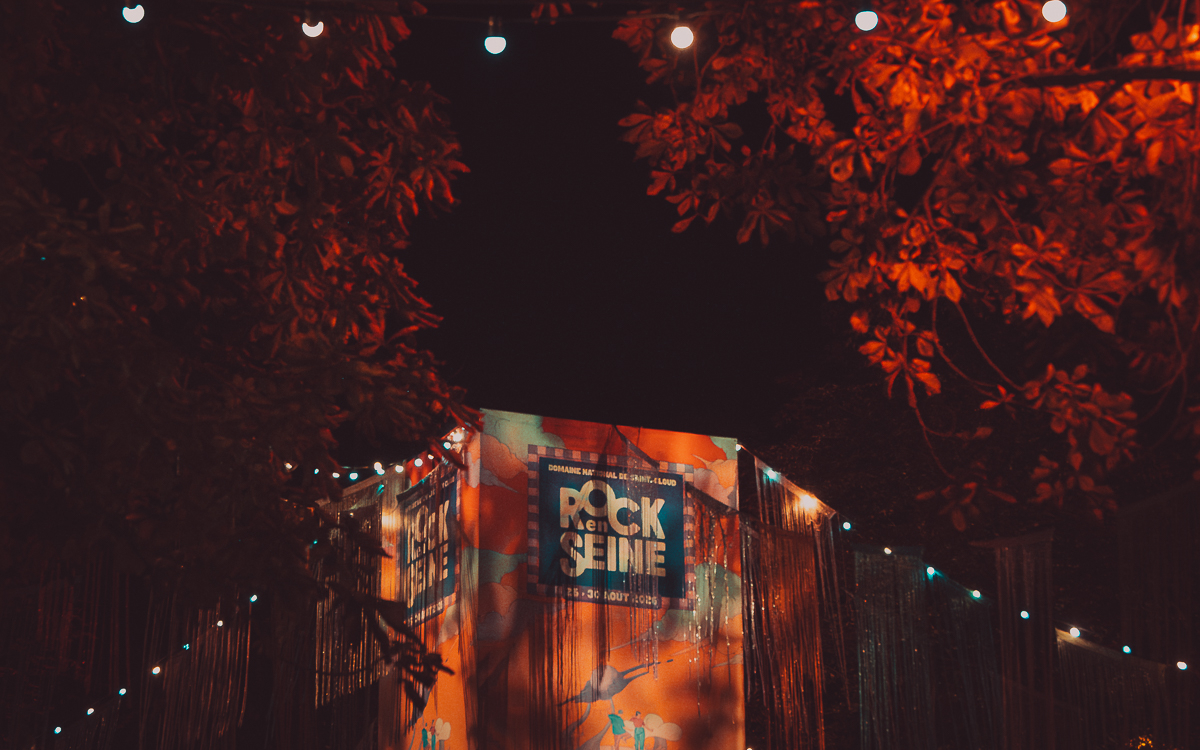
This second day of Rock En Seine is placed under the banner of indie pop in all its forms. Between dreamy guitars, sparkling synthesizers and melancholic melodies, the lineup attracts a large crowd despite capricious weather. For while rain regularly visits the Domaine National de Saint-Cloud, sometimes in the form of real downpours, it never manages to discourage festival-goers determined to enjoy their day.
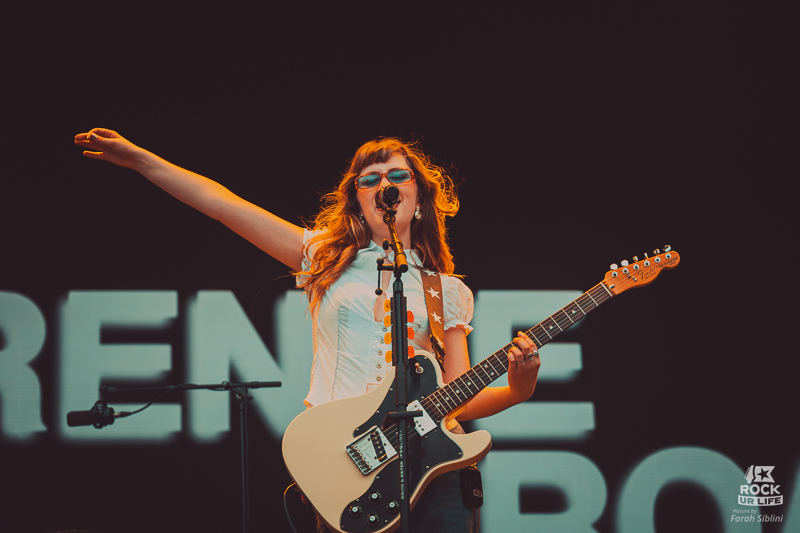
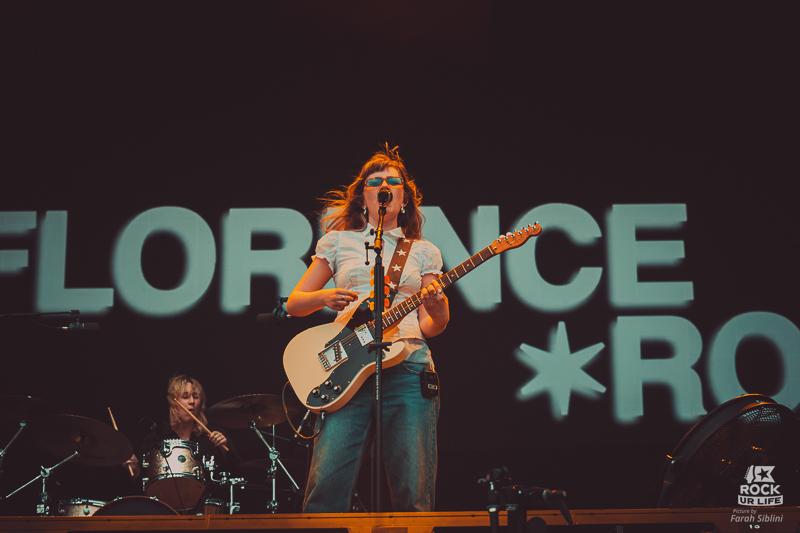
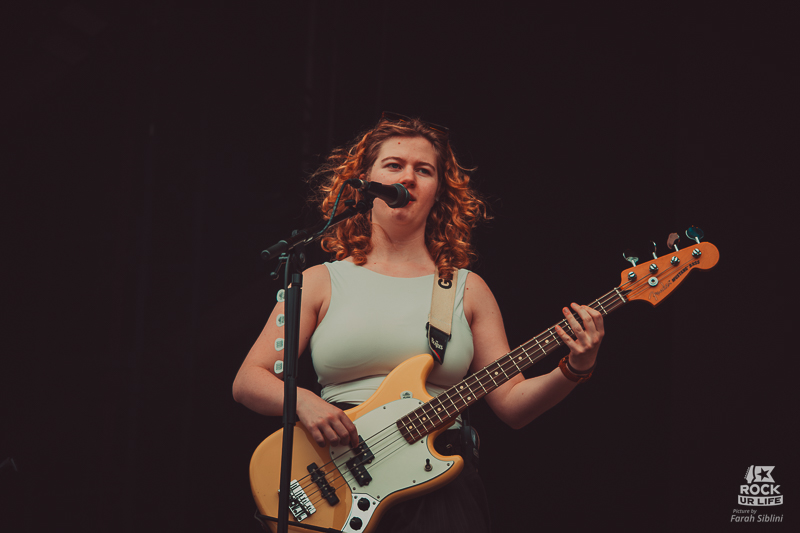
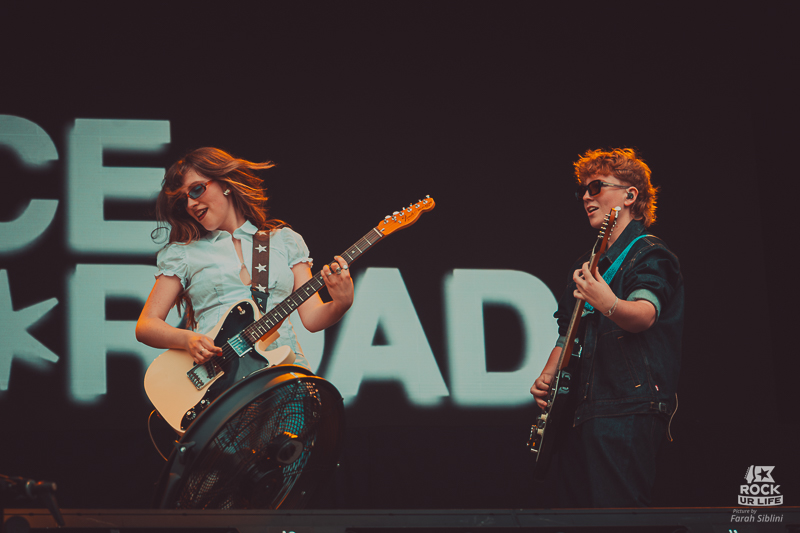
Florence Road
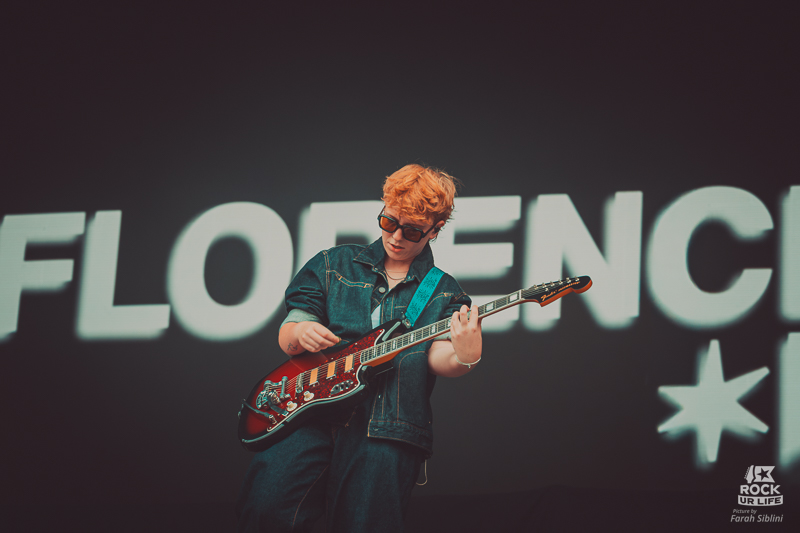
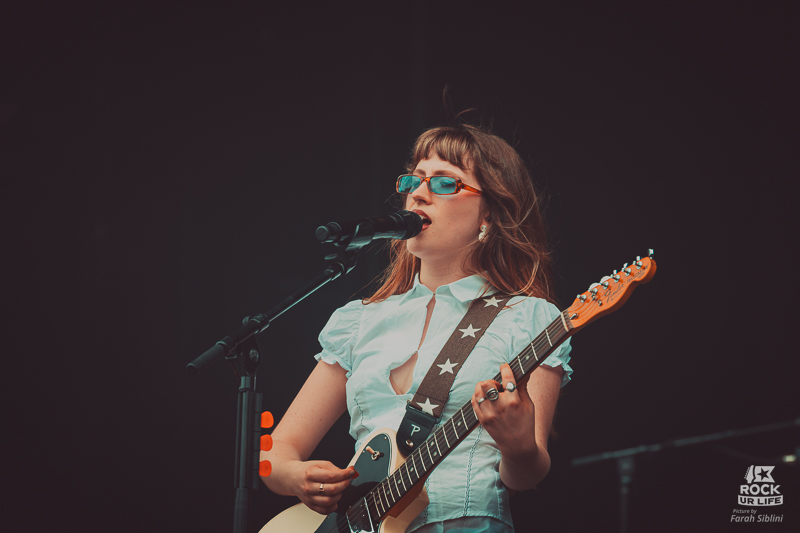
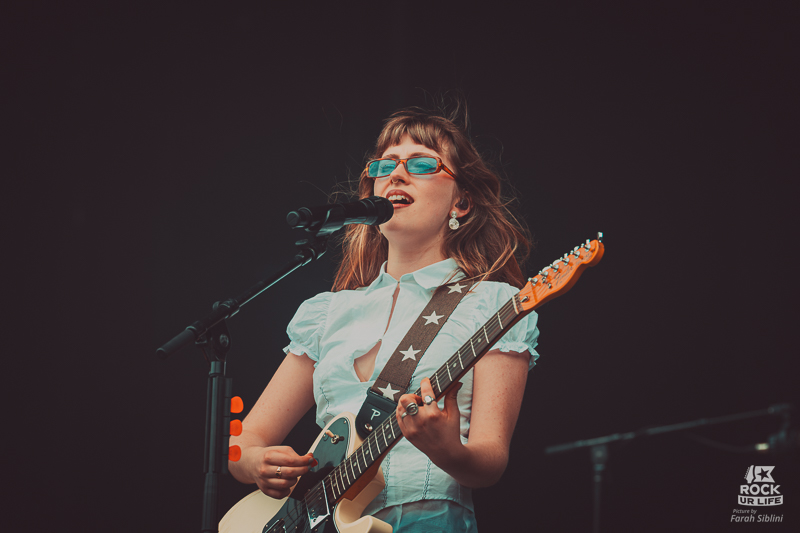
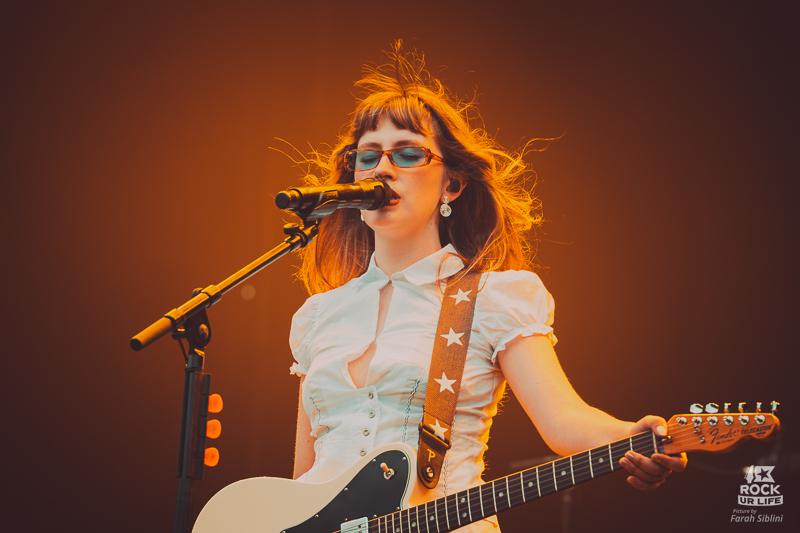
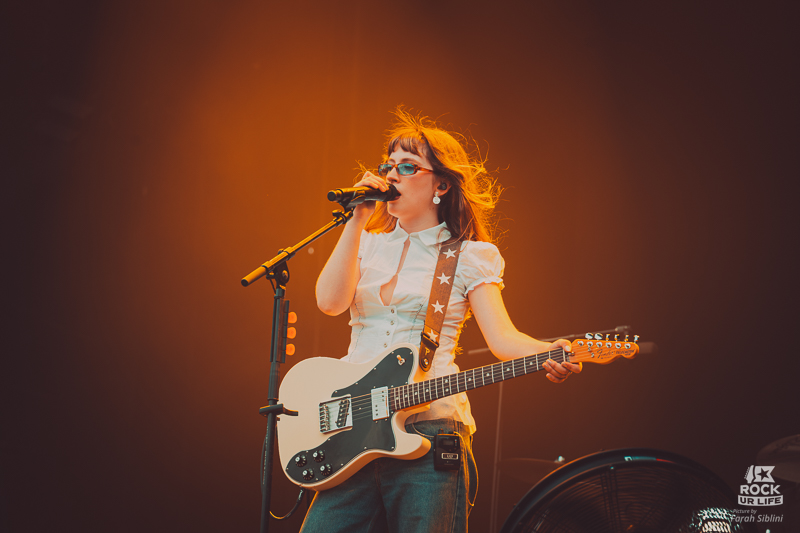
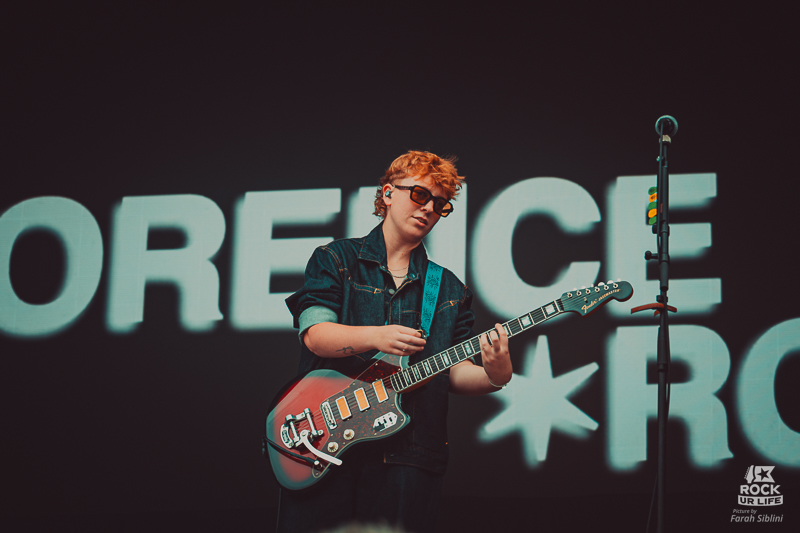
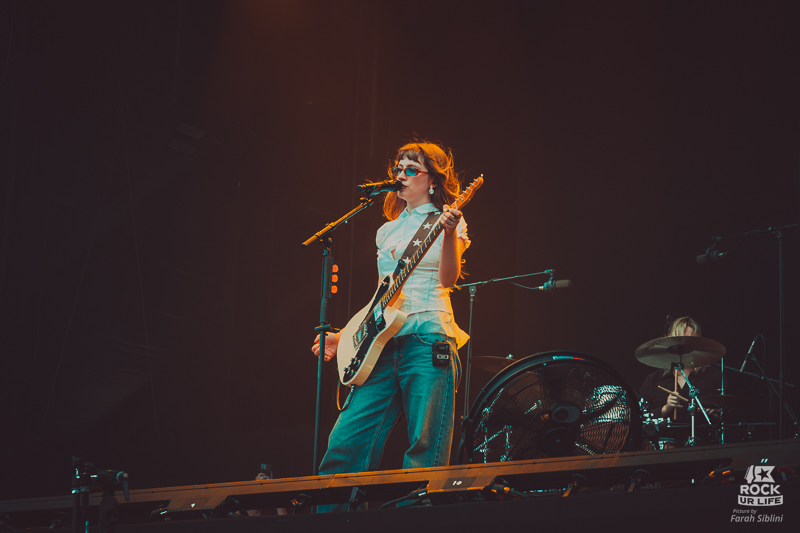
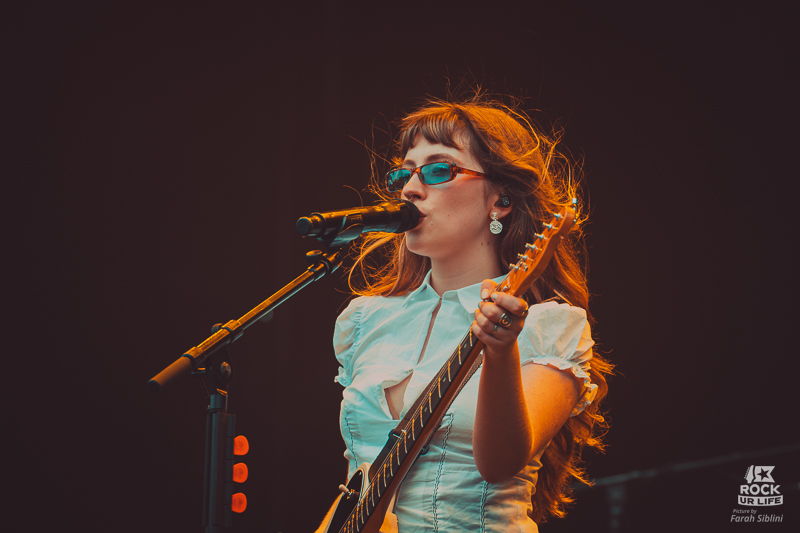
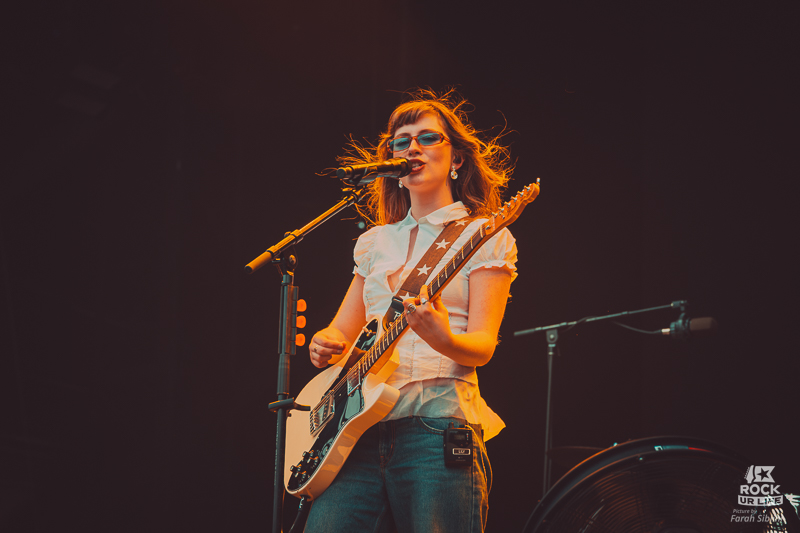
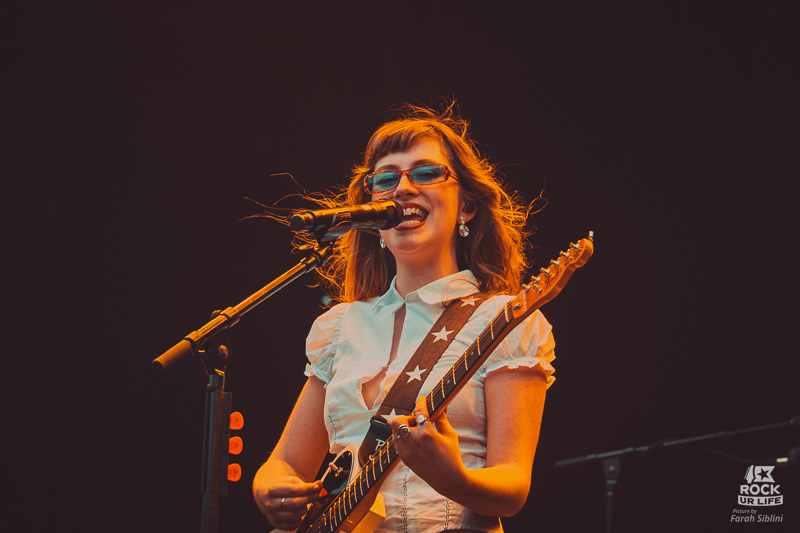
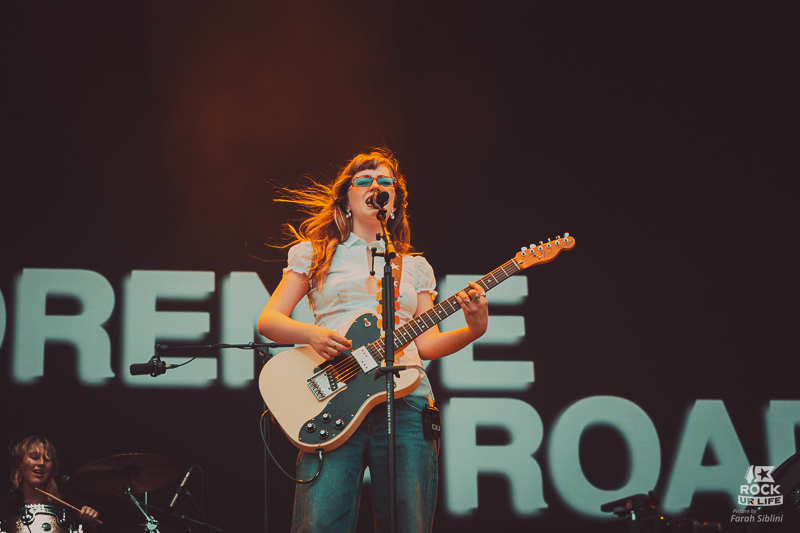
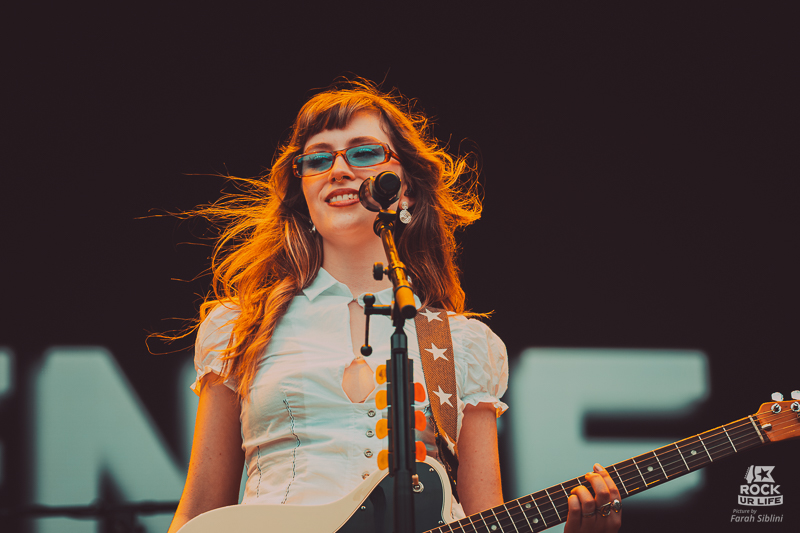
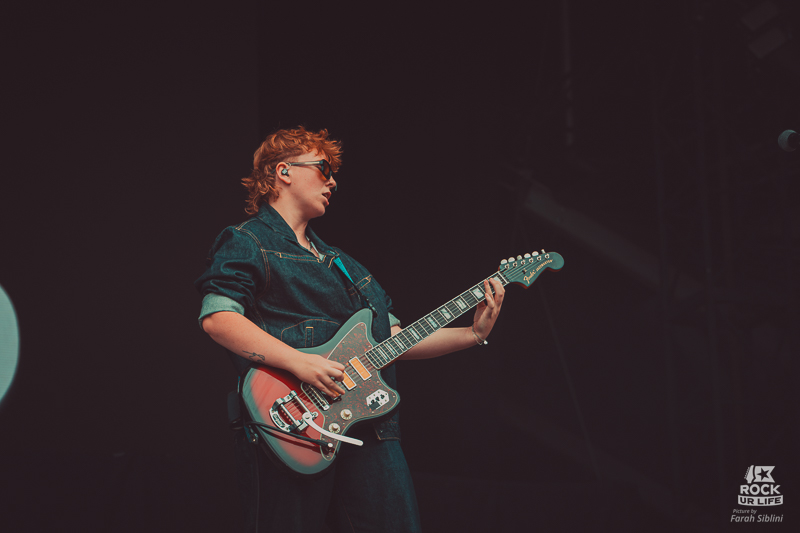
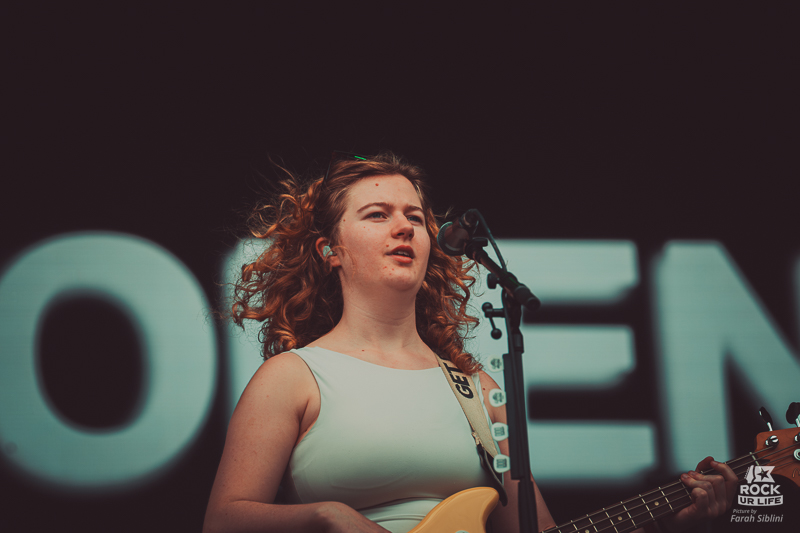
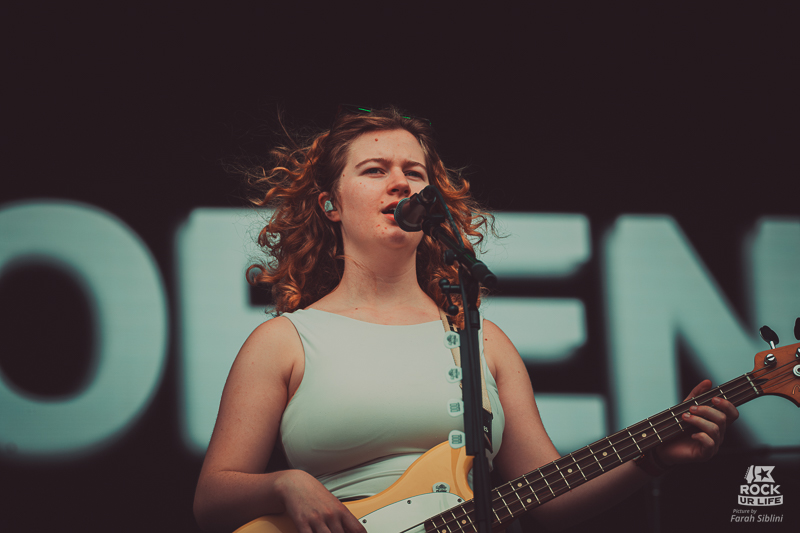
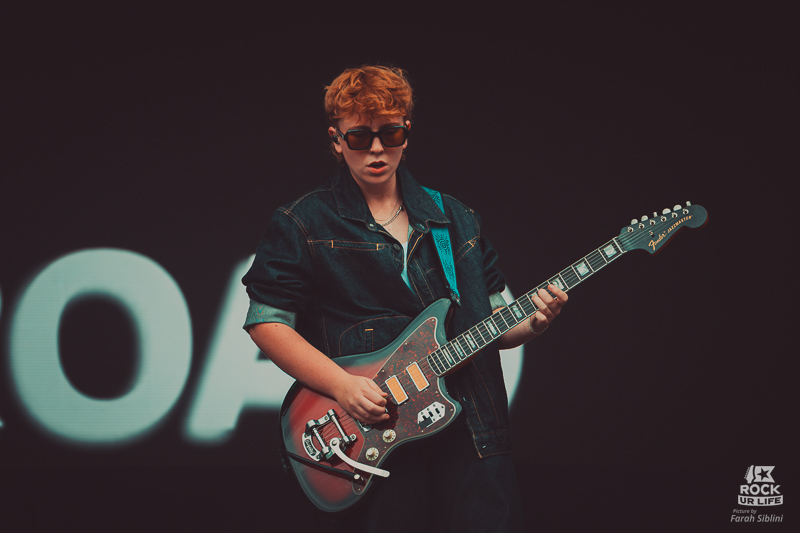
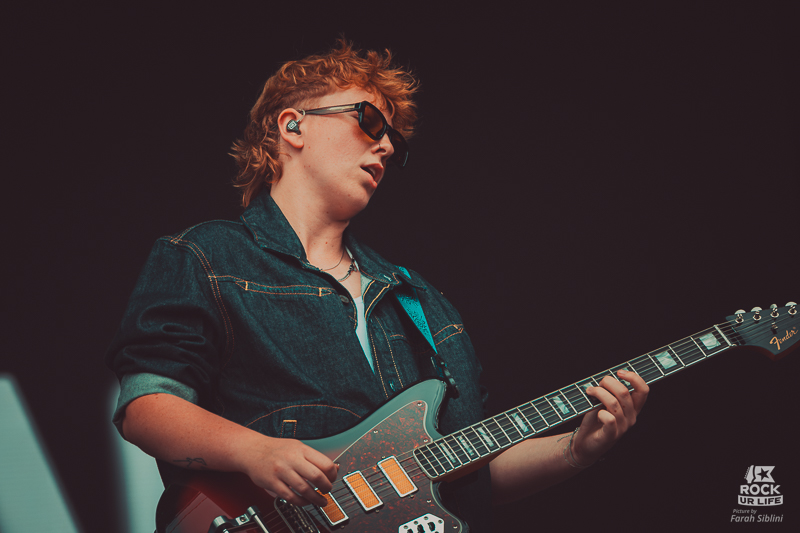
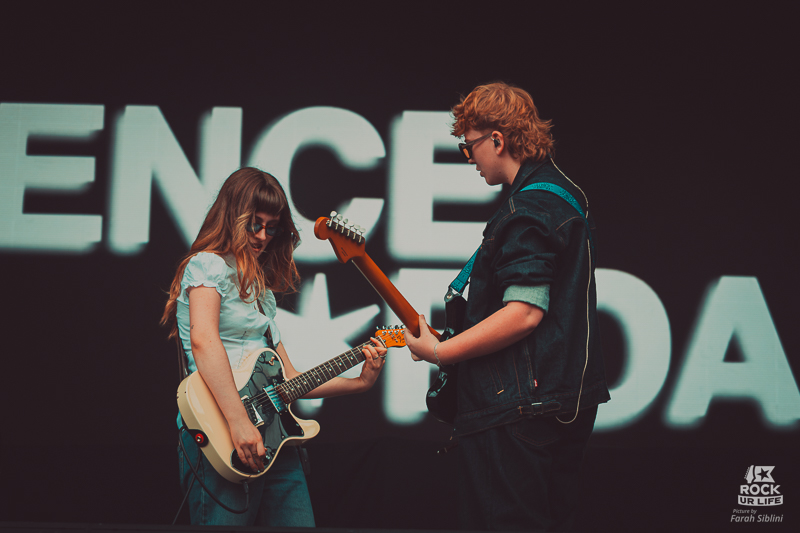
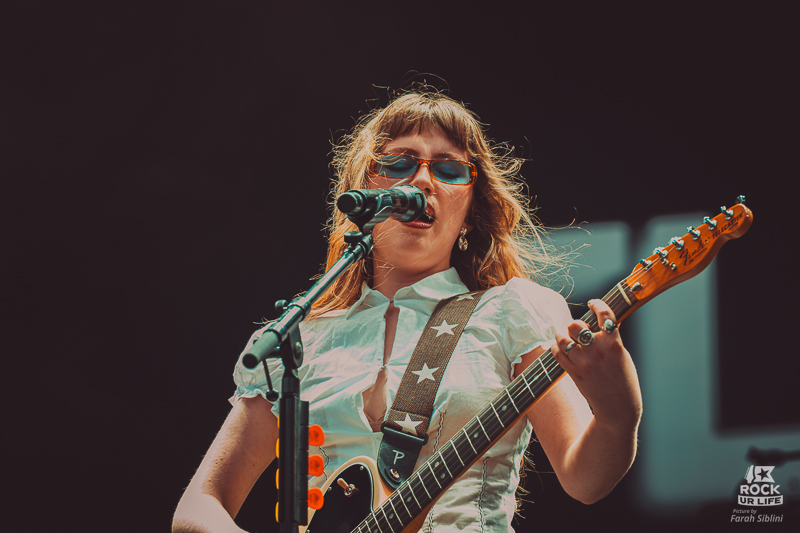
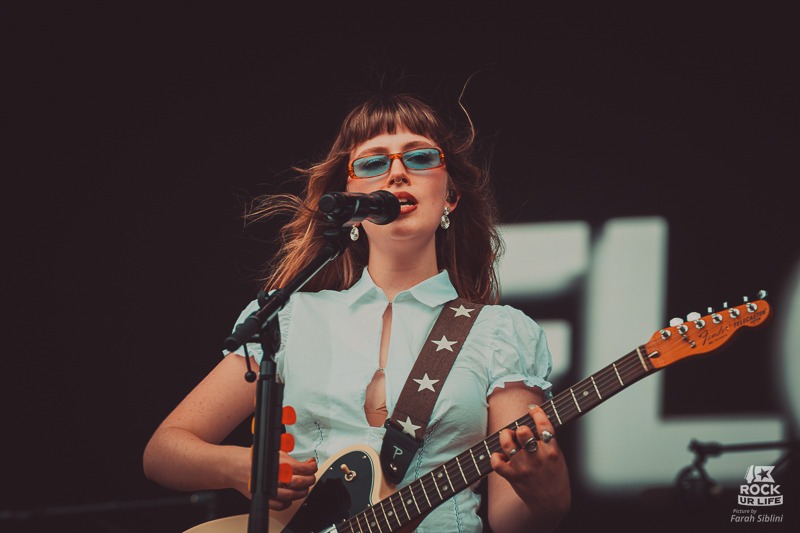
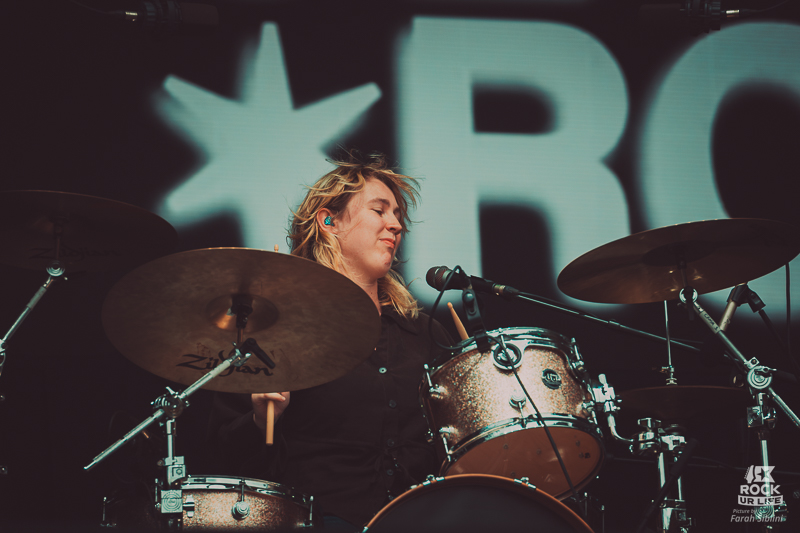
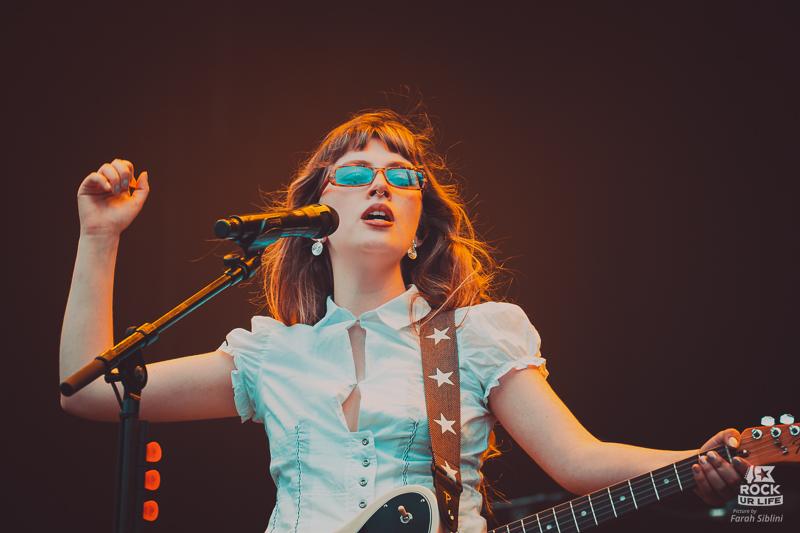
The Irish band FLORENCE ROAD opens the festivities with a fairly lean set, devoid of frills. No particular staging or elaborate production, but a string of solid tracks that suitably launch this second day.
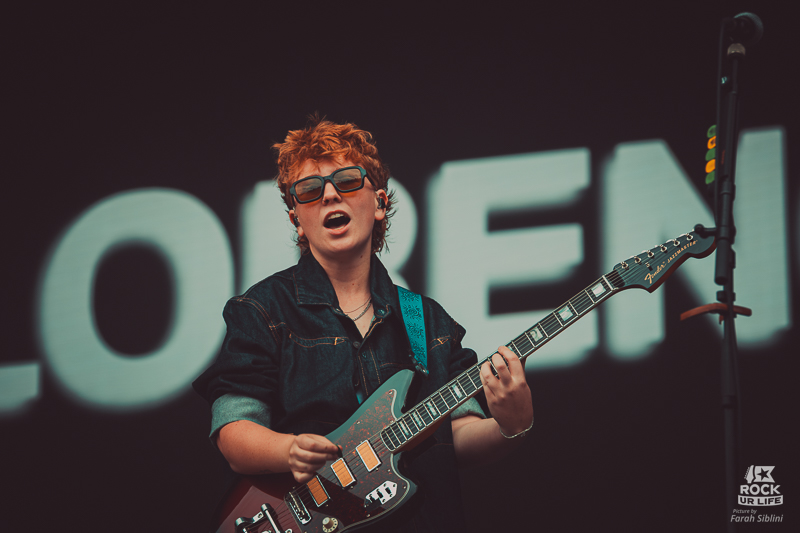
The crowd immediately rises to the occasion. They kick off with their latest release “7563,” which instantly hooks the audience. Arms lift in unison with the songs, and the crowd even cheerfully follows the “choreography” of “Surprise Surprise.” Yet, something occasionally seems to be missing in the connection with the audience. The musicians appear to arrive on terrain already won and interactions with the crowd remain limited. The show also suffers from a few technical issues. The voices are regularly swamped by bass and a particularly prominent drum presence in the mix. Not disqualifying, but noticeable in the absence of any other theatrics.
Jean Dawson
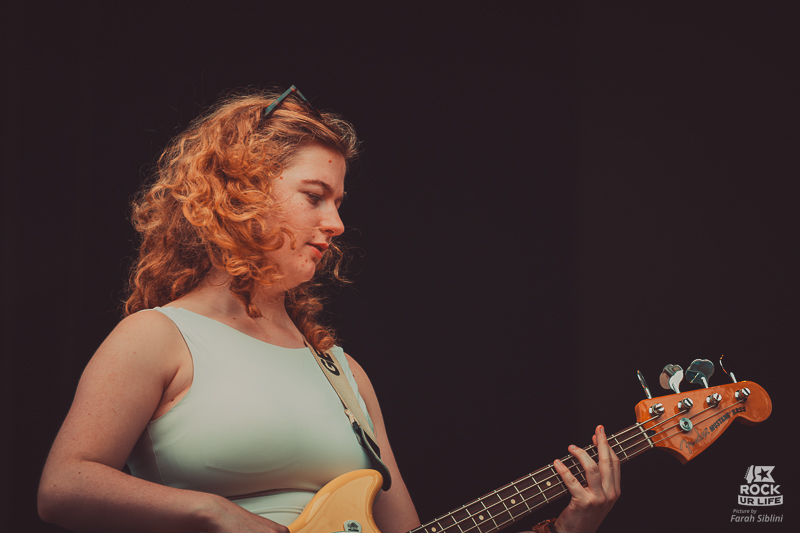
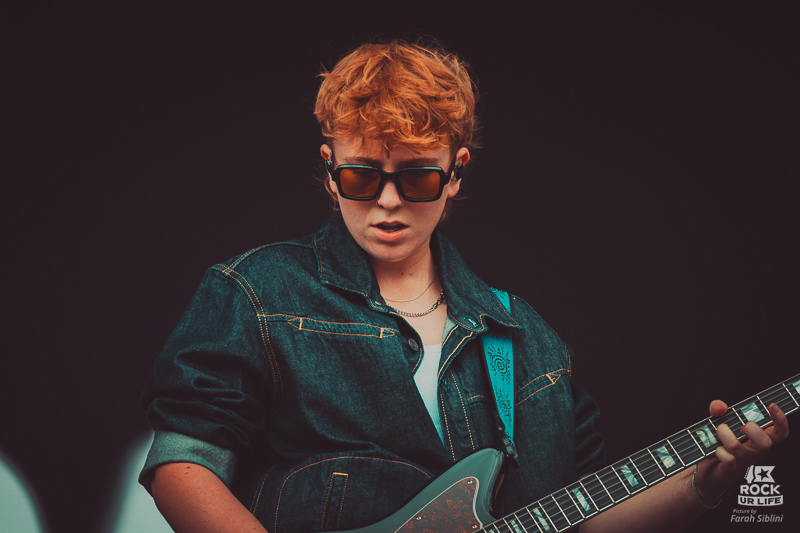
JEAN DAWSON is, unfortunately, not spared from the technical issues that seem to mark the start of the day. The bass lines can be so powerful that it becomes difficult to stay near the stage without experiencing auditory fatigue. The mix is also capricious, with a few microphone problems. Yet, despite these imperfections, the artist manages to captivate. His hybrid universe, skating between alternative rock, hip hop and electronic experimentation, intrigues as much as it pleases. Passages driven by the synthesizers prove particularly successful and invite deeper exploration of his discography once the festival ends.
Lykke Li
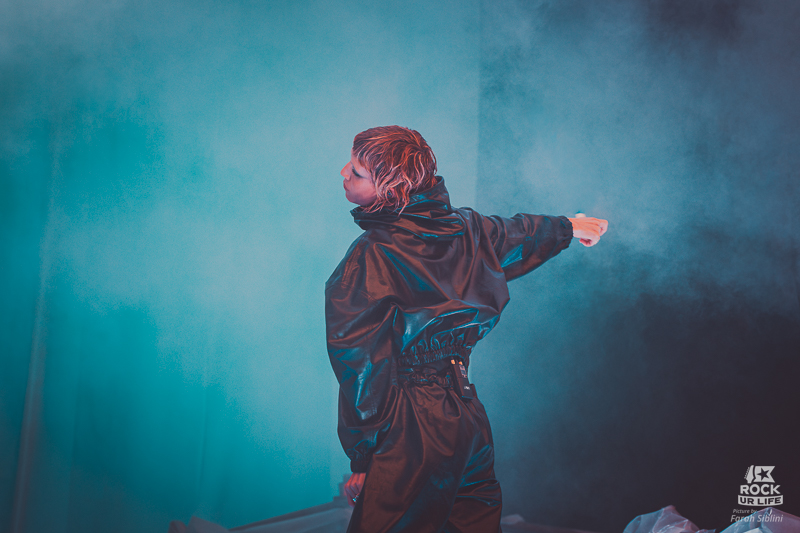
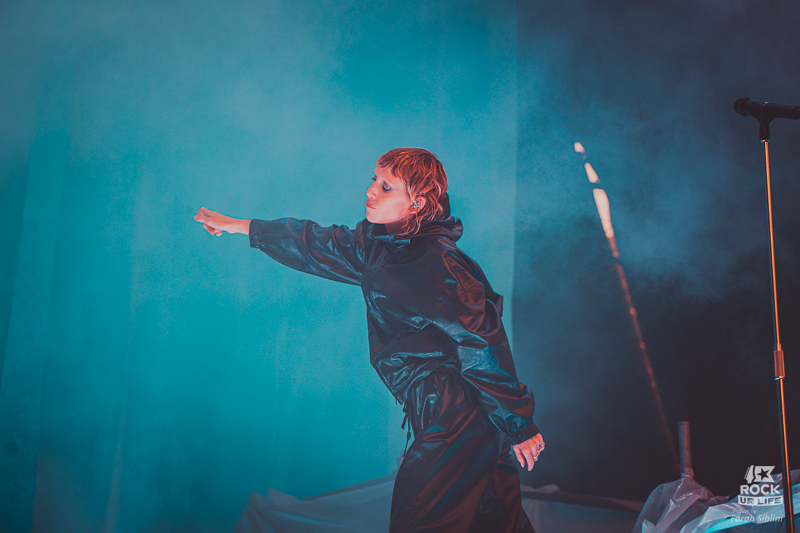
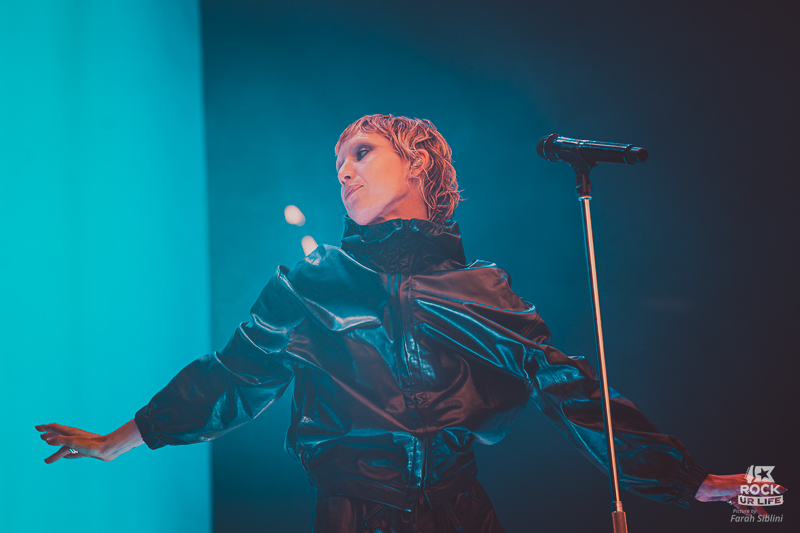
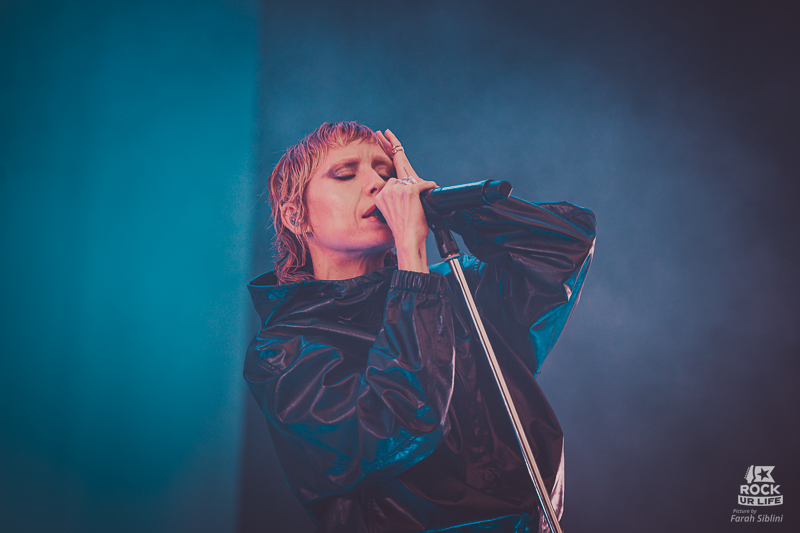
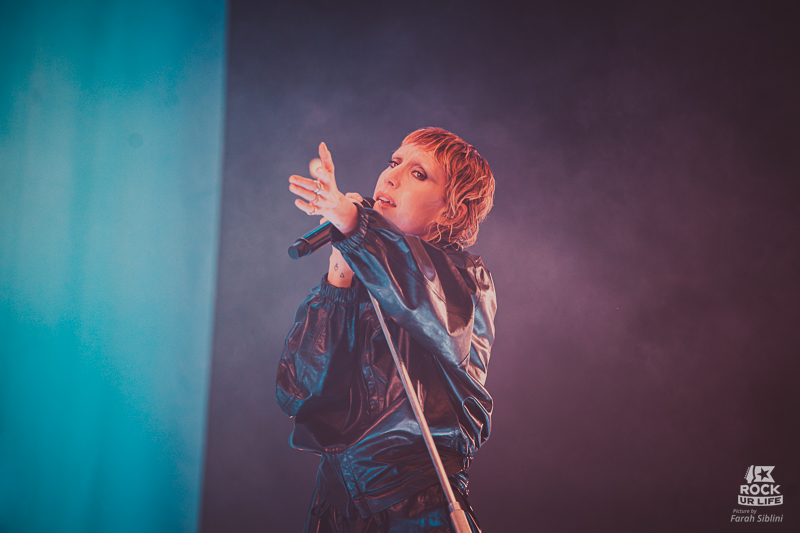
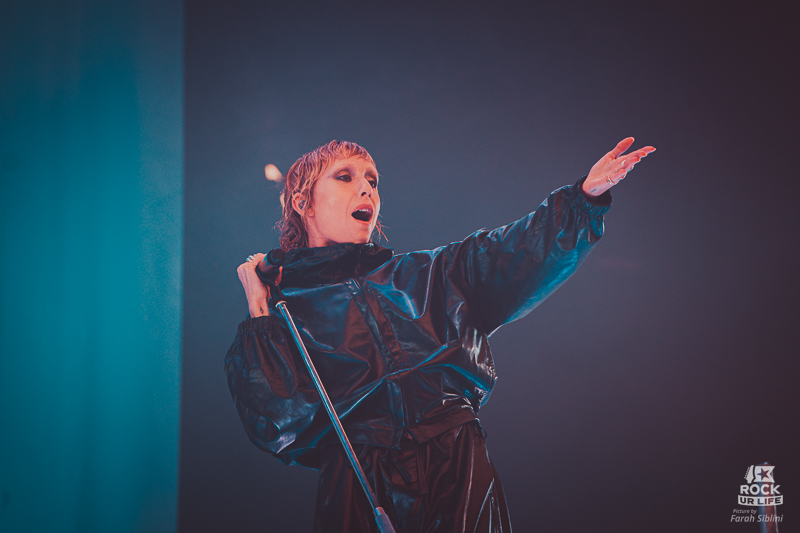
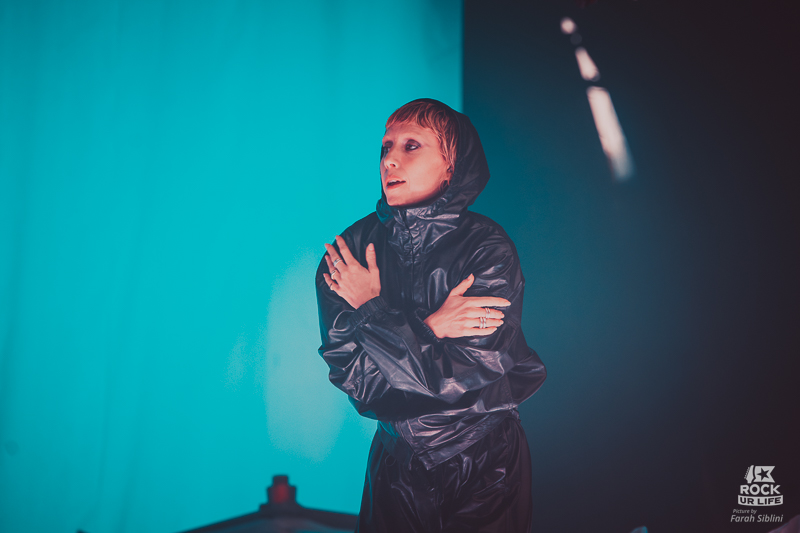
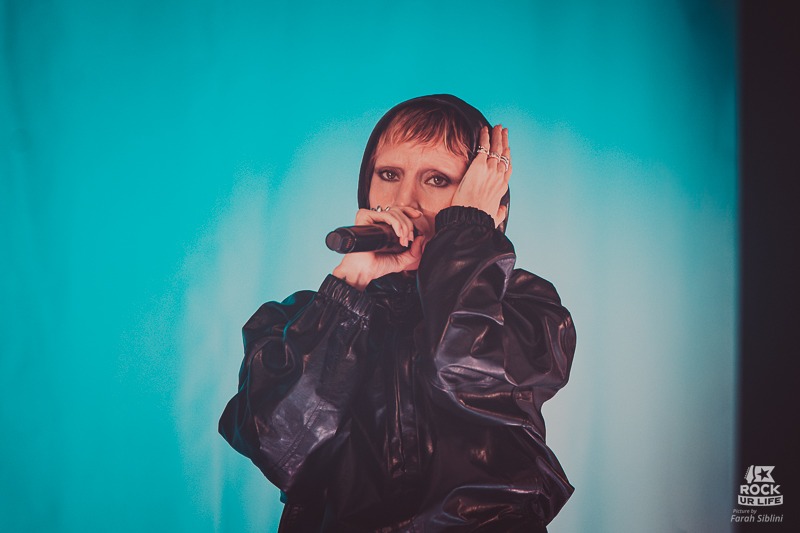
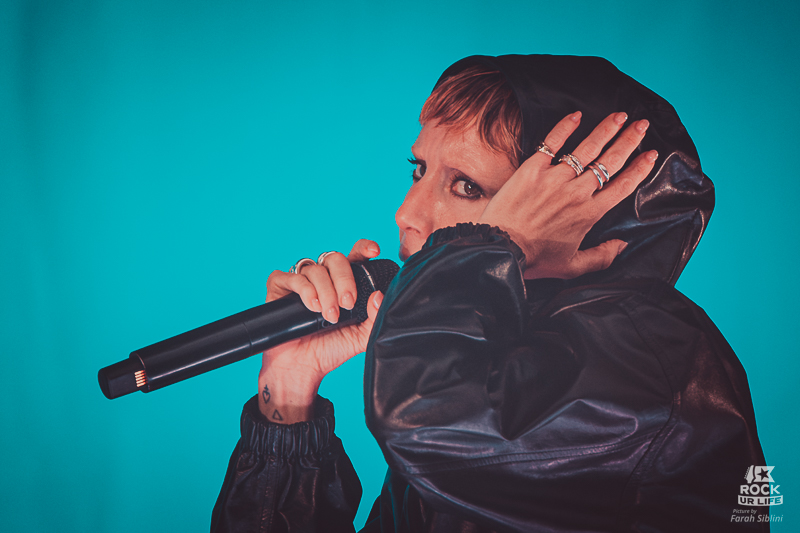
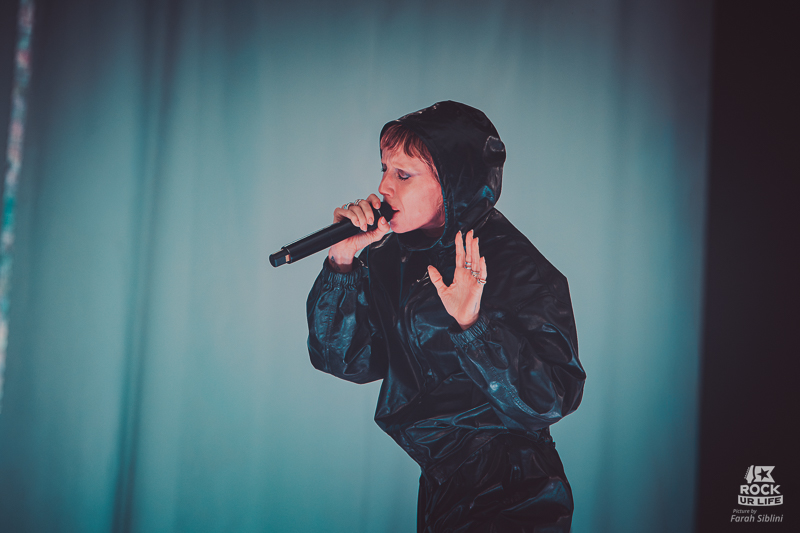
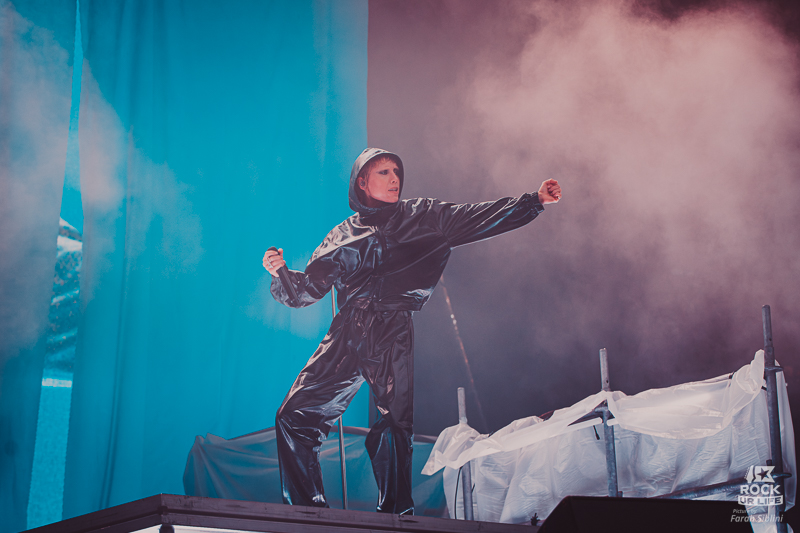
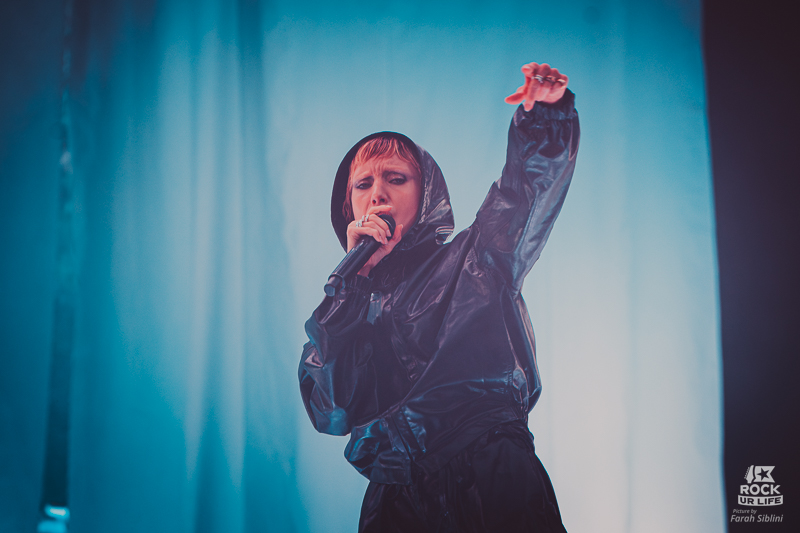
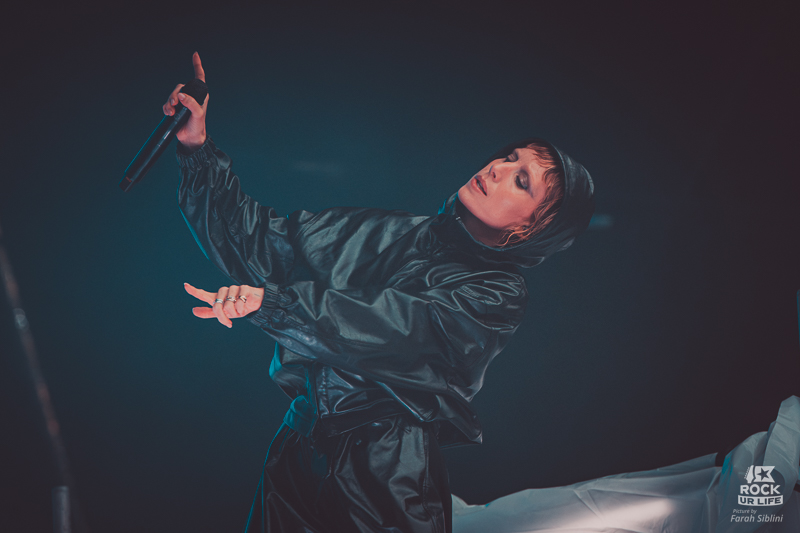
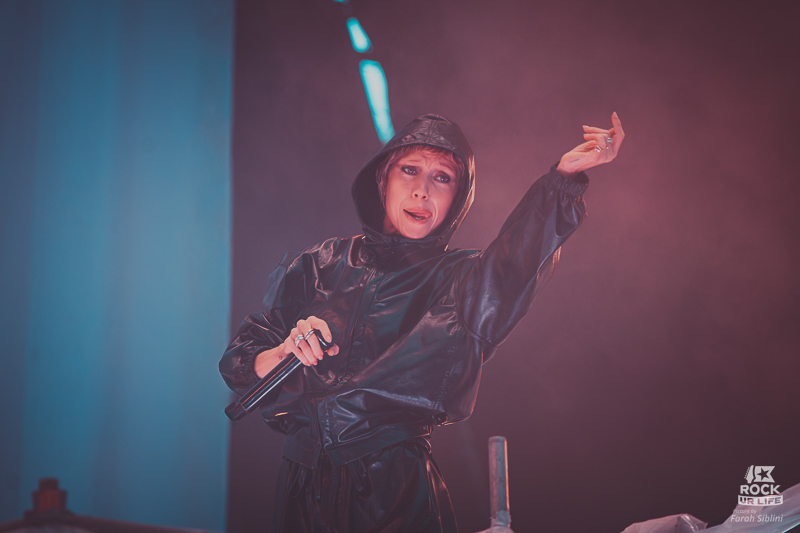
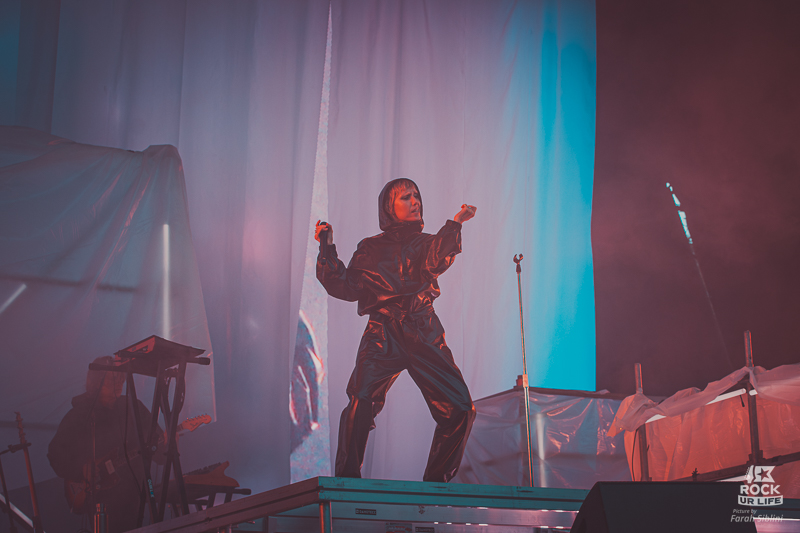
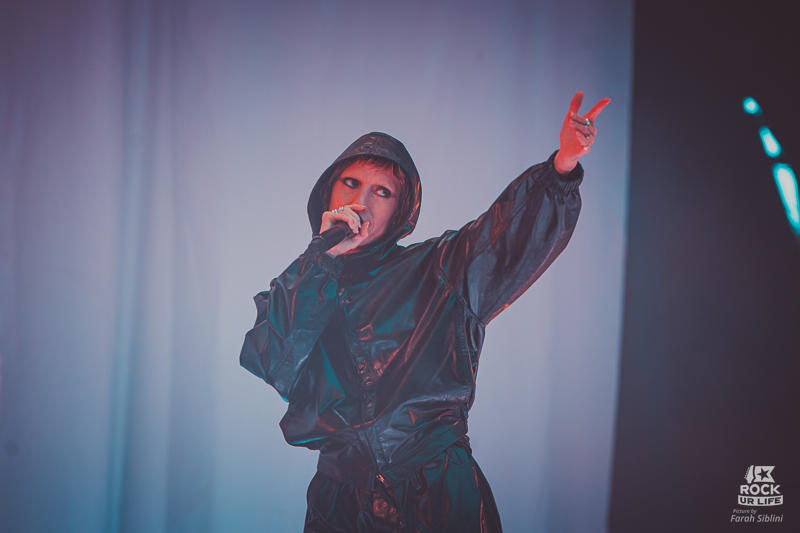
In increasingly heavy rain, LYKKE LI delivers a performance that is as poetic as it is masteryful. From the very first moments, the crowd is immersed in the Swedish artist’s distinctive world. The stage design greatly contributes to this immersion: the central screen is draped with large tarpaulins while several scaffolding-like structures reinforce the impression of a construction site, abandoned or left unfinished. A raw and melancholic aesthetic that pairs perfectly with the day’s weather.
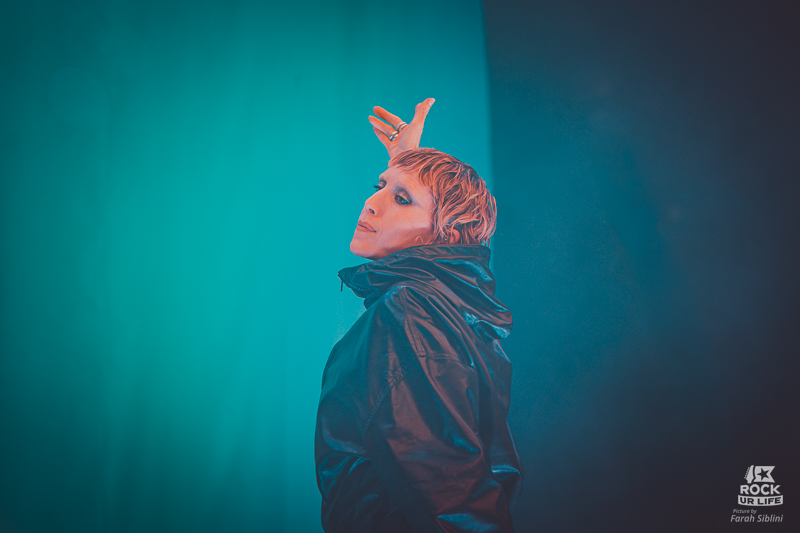
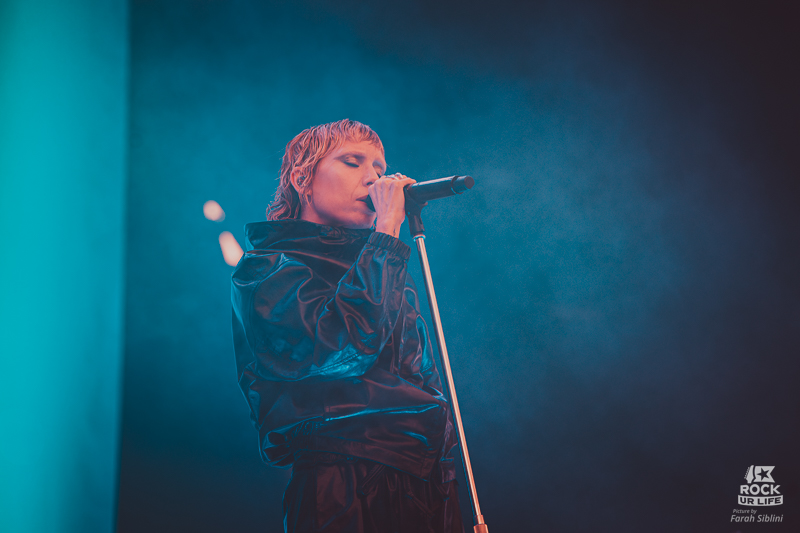
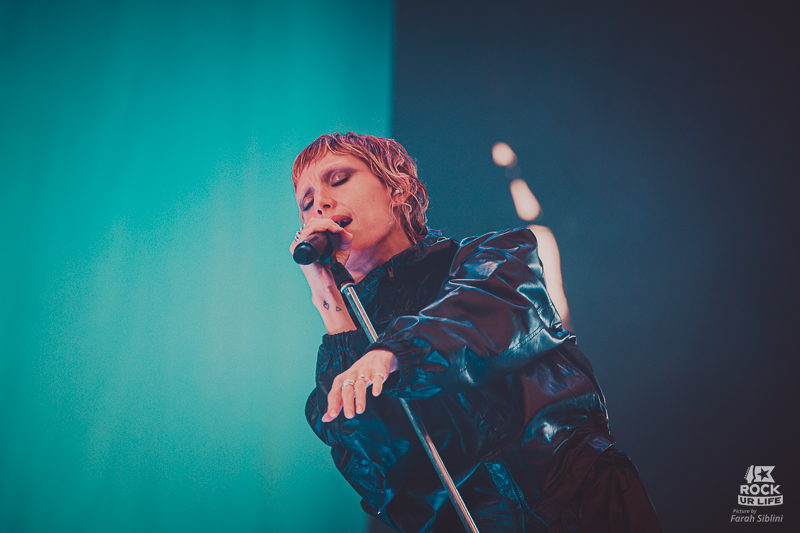
Interactions with the audience remain relatively limited, but each of her remarks comes across as sincere and filled with heartfelt gratitude to the festival-goers who braved the rain to accompany her. Backed by a notably strong setlist, the Swedish artist convinces from start to finish. Some tracks stand out especially, such as “Lucky Again” or “Little Bit.”
The most striking moment likely comes when “Possibility” rings out while the rain intensifies. A nearly unreal sequence, worthy of a Twilight scene, as if the atmosphere itself were aligned with the title.
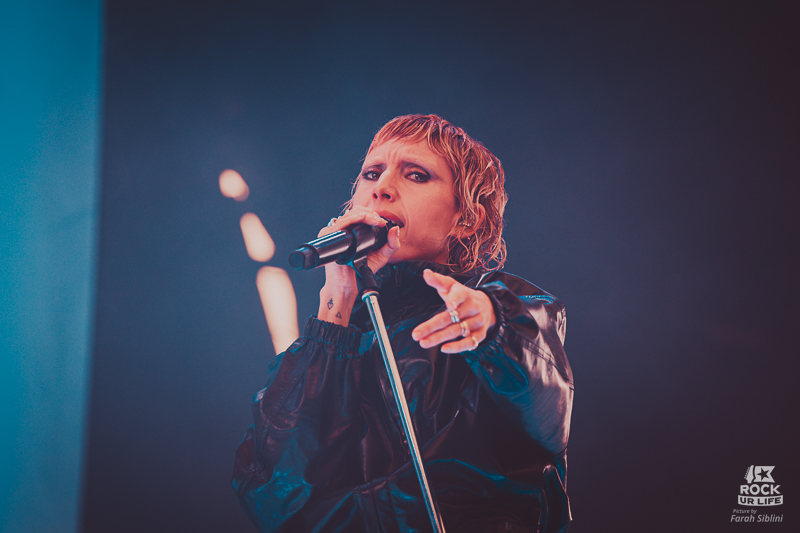
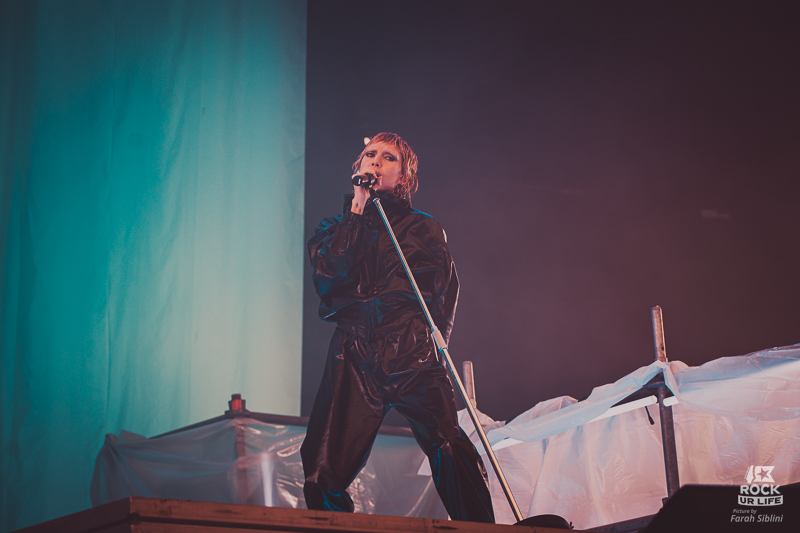
The show obviously closes with the essential “I Follow Rivers,” sung along by the crowd and accompanied by a few dance steps from the audience that have won them over. And because Lykke Li remains unpredictable until the end, she finishes her set by stepping into the audience, cigarette in hand despite the prohibition, while “Rhythm Of The Night” resounds through the speakers.
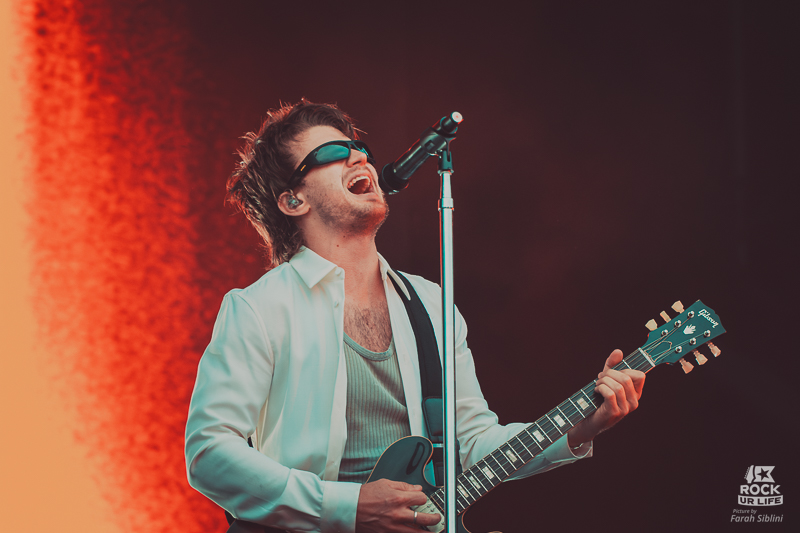
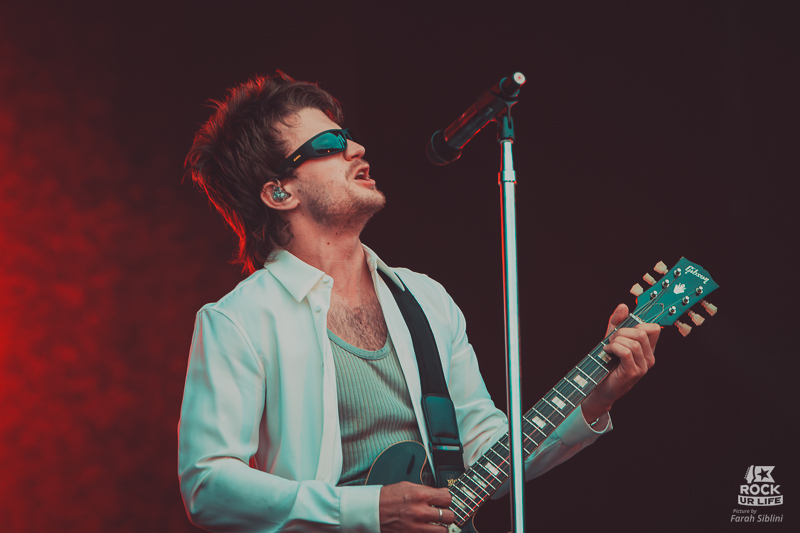
Djo
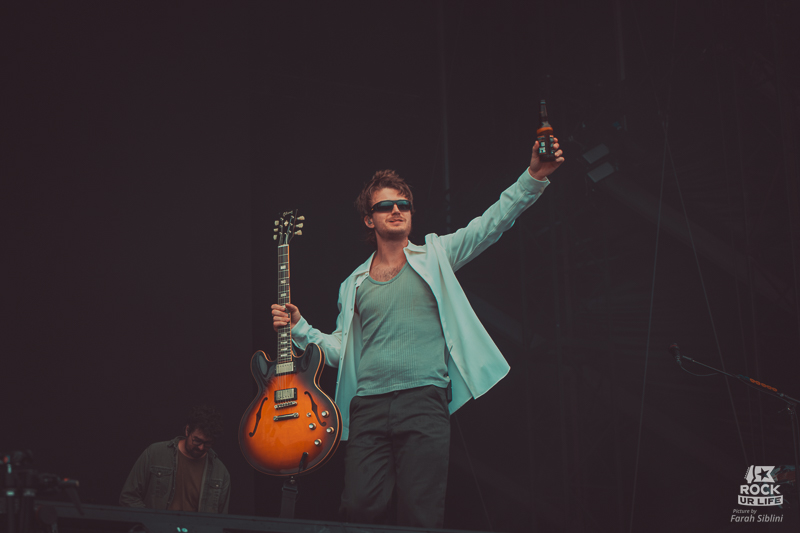
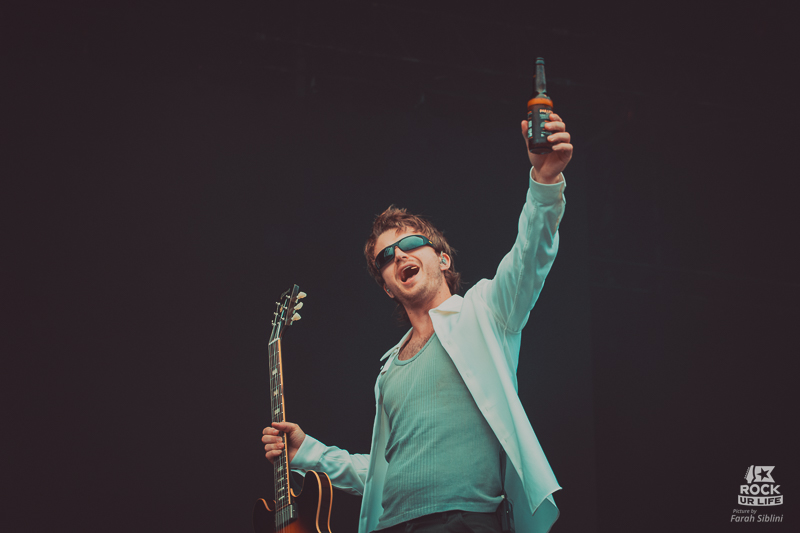
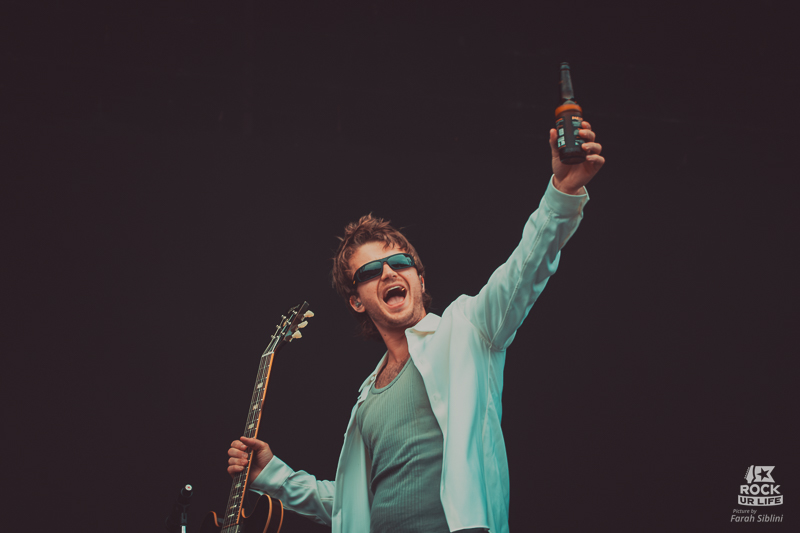
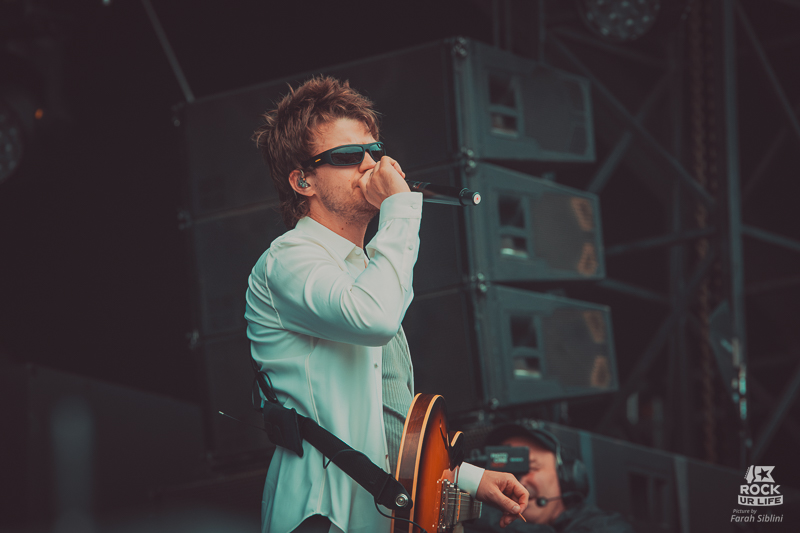
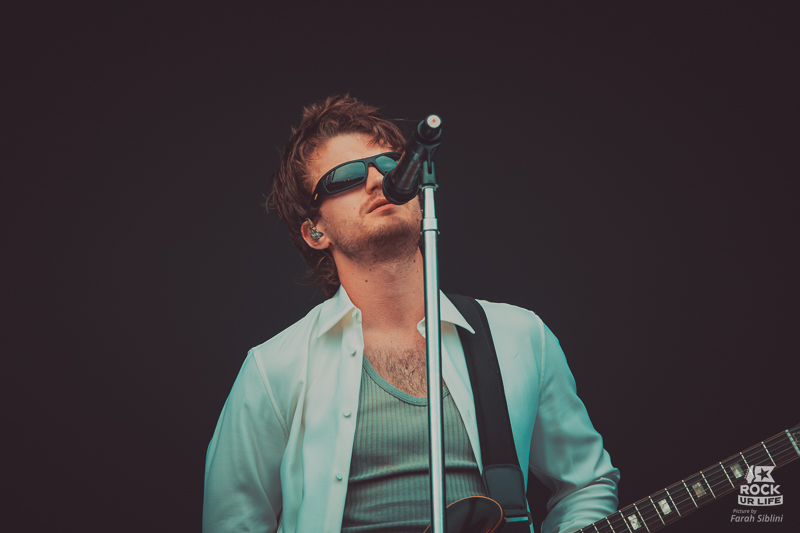
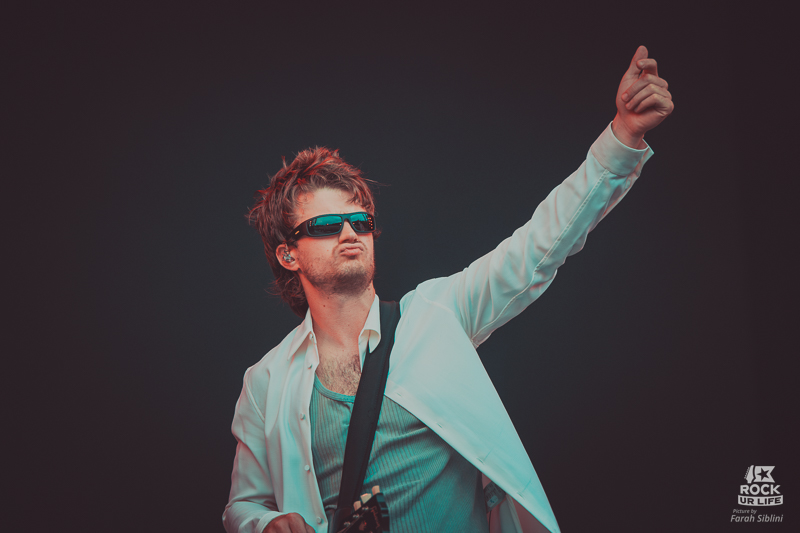
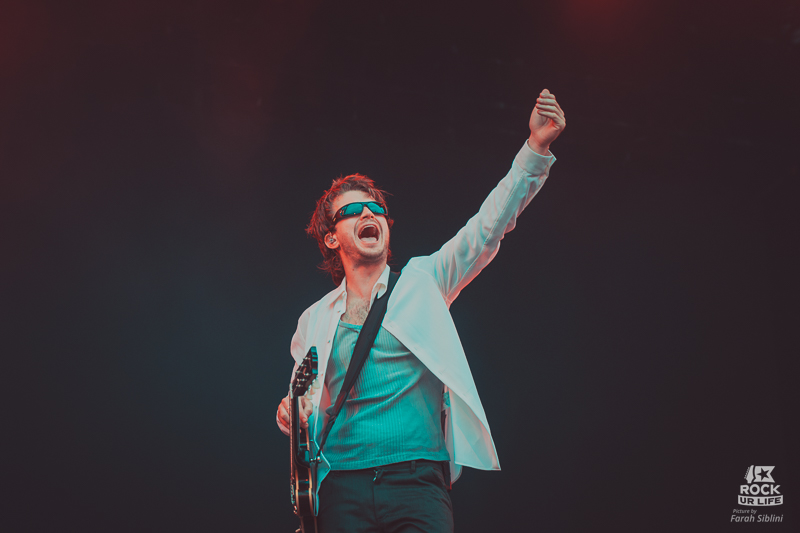
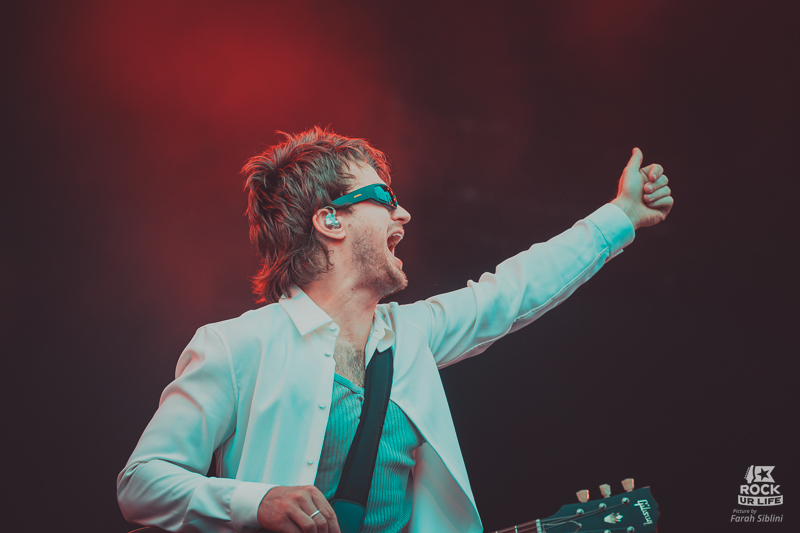
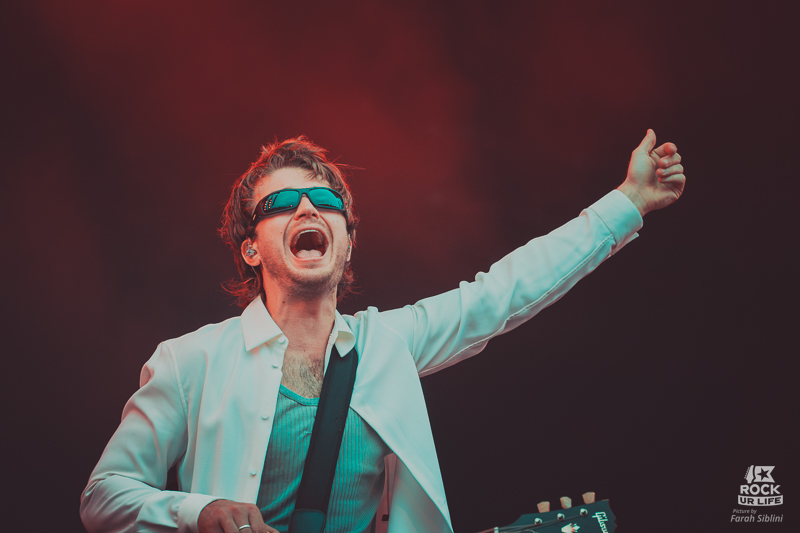
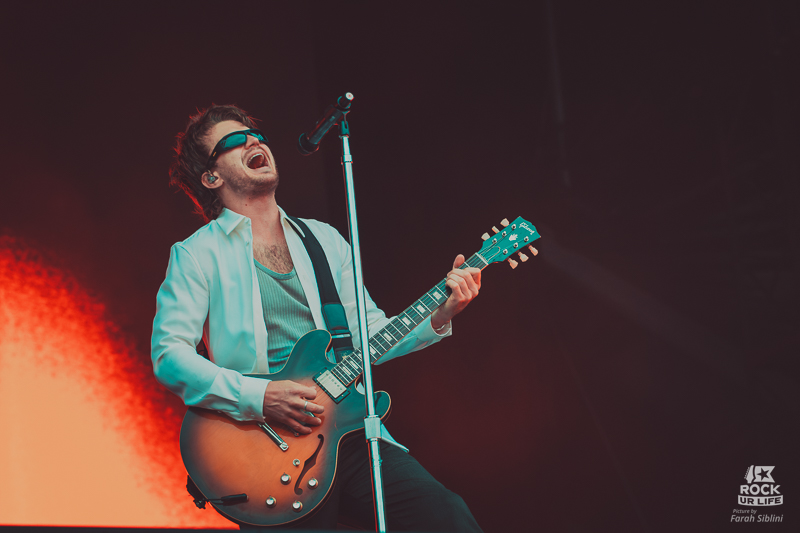
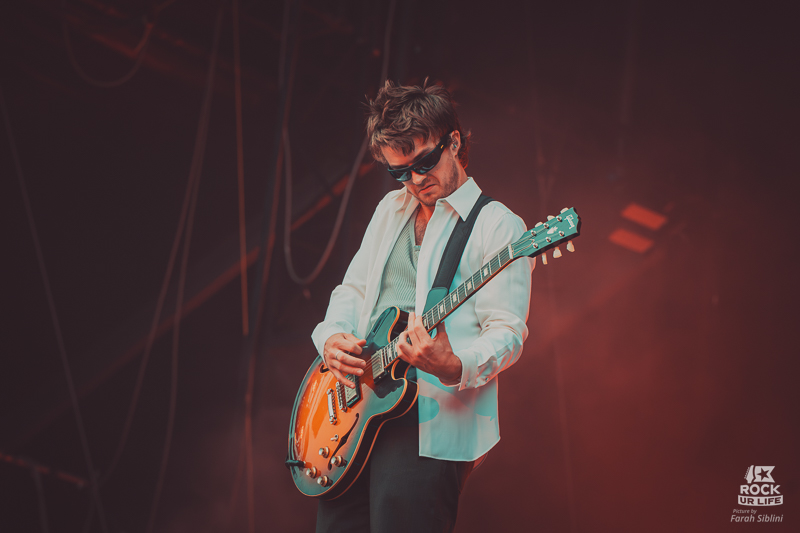
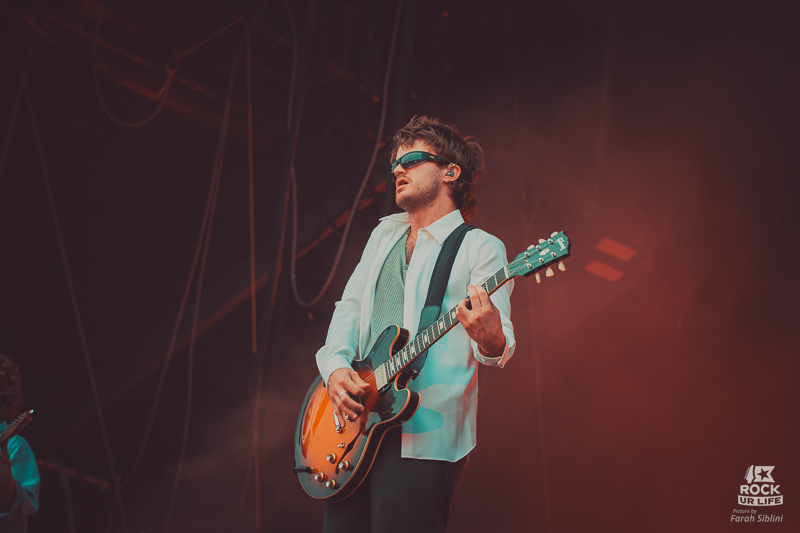
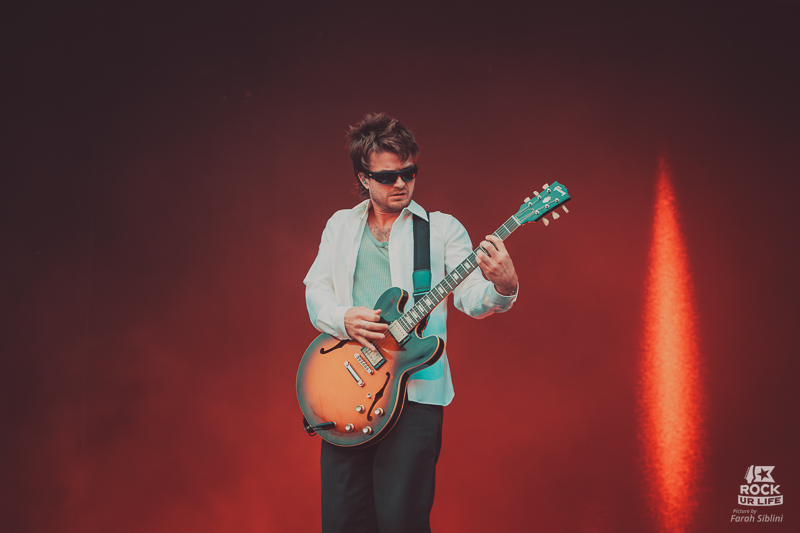
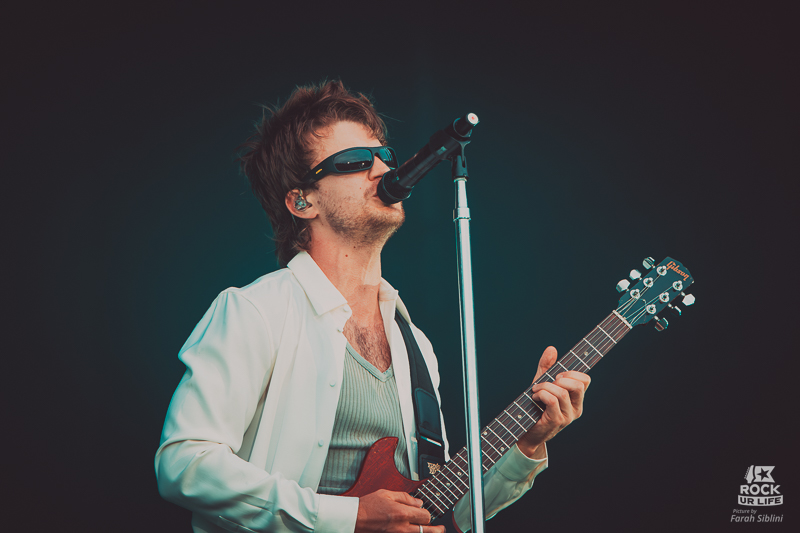
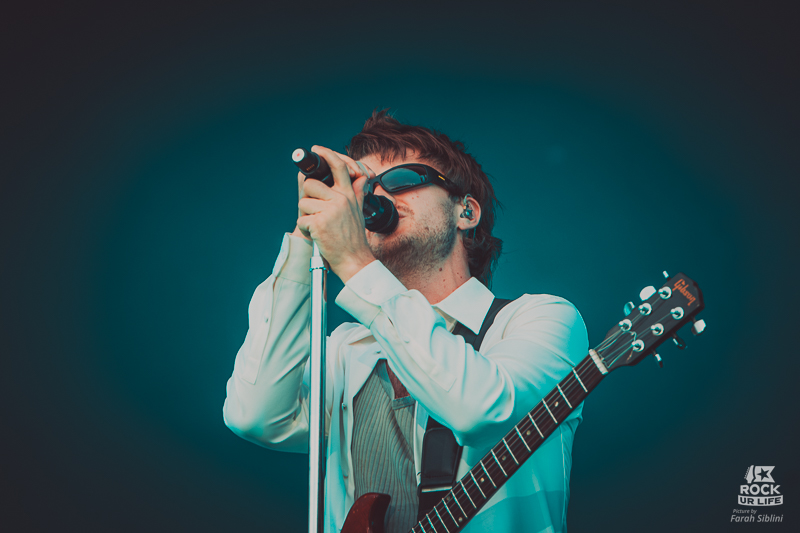
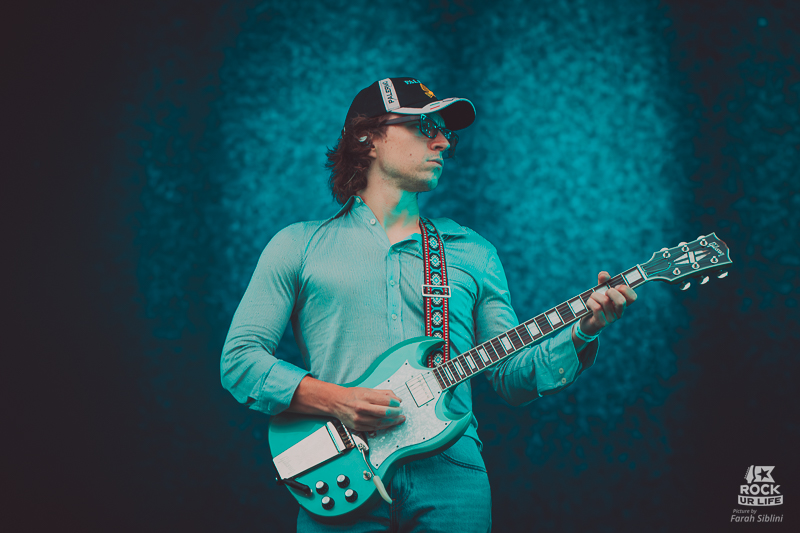
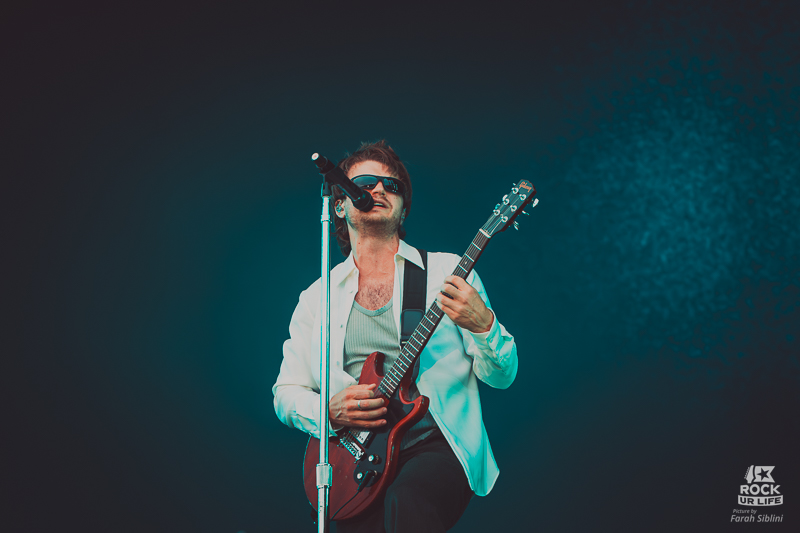
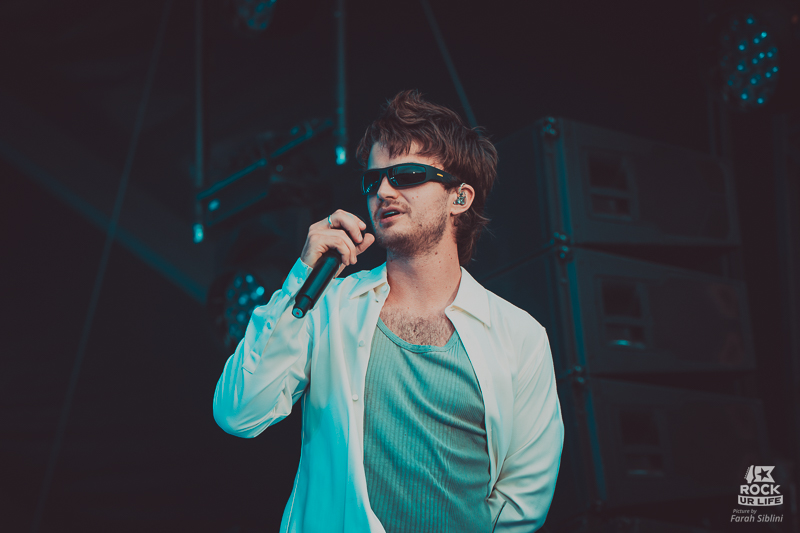
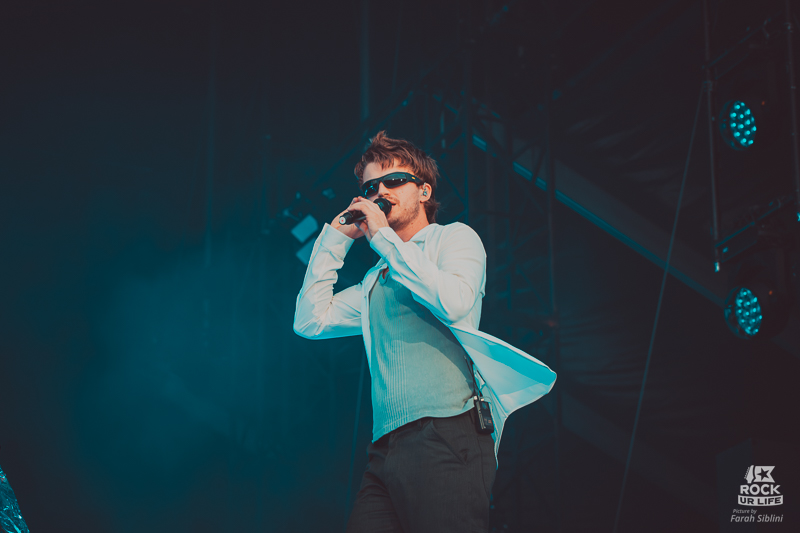
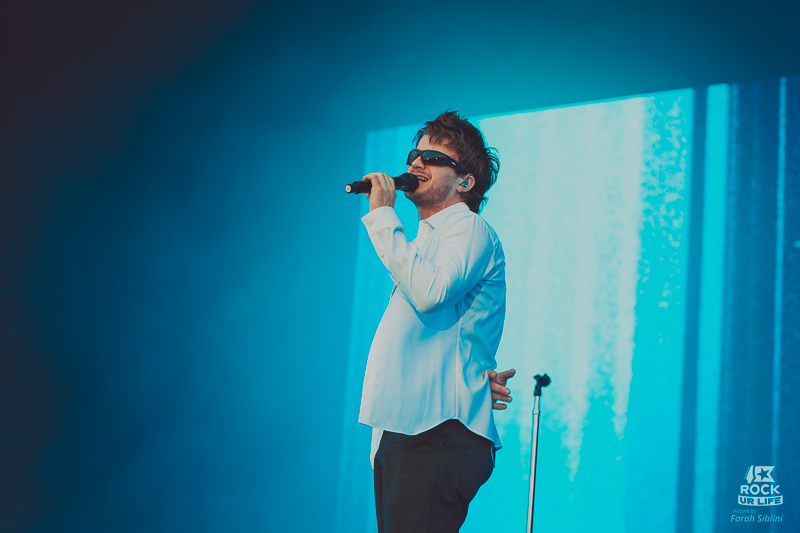
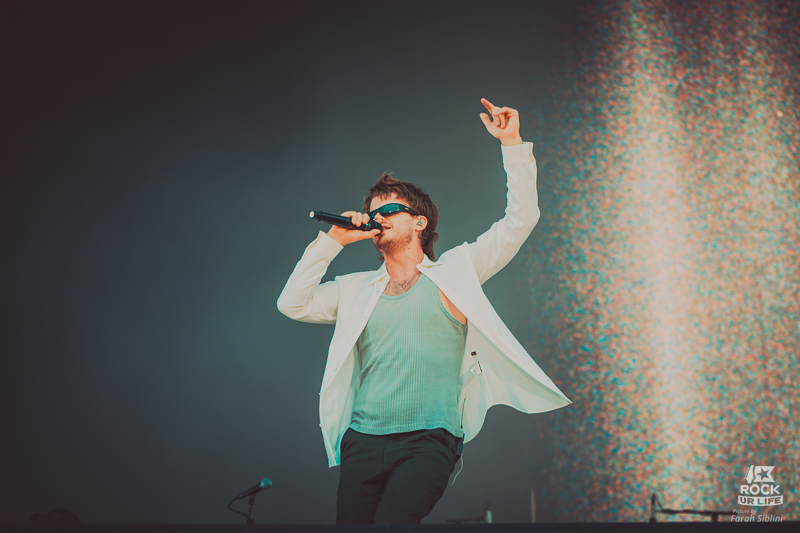
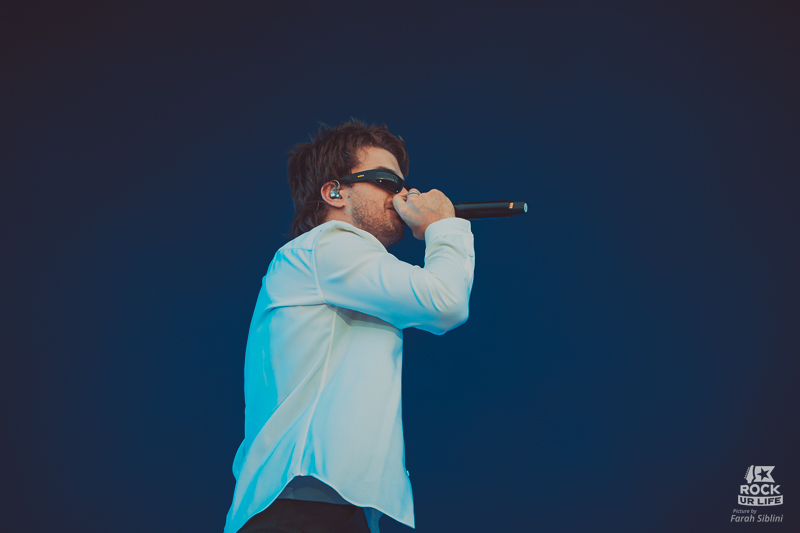
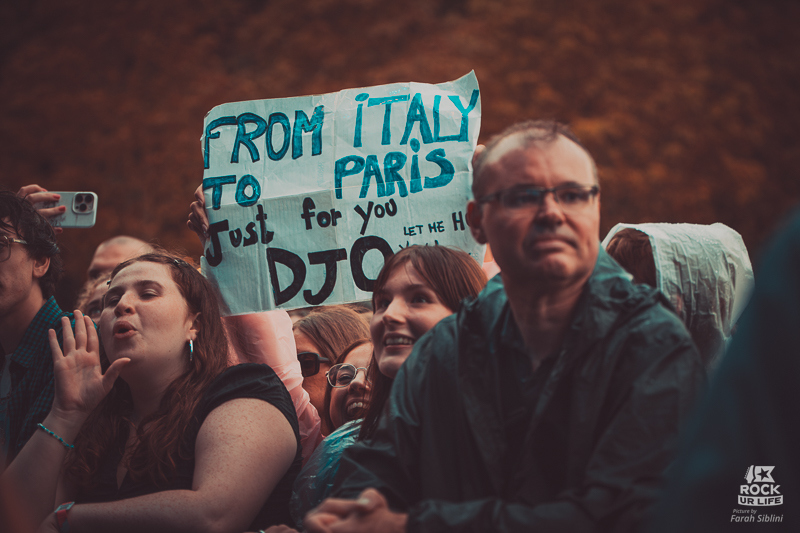
Anticipated by a large portion of the younger audience thanks to the viral success of “End Of Beginning,” DJO stands as a current phenomenon. Behind this project sits Joe Keery, also known for his role as Steve Harrington in the series Stranger Things.
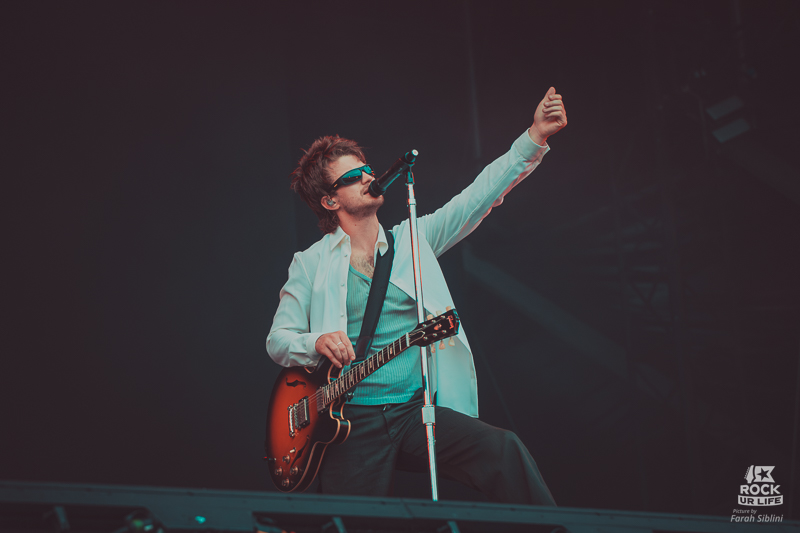
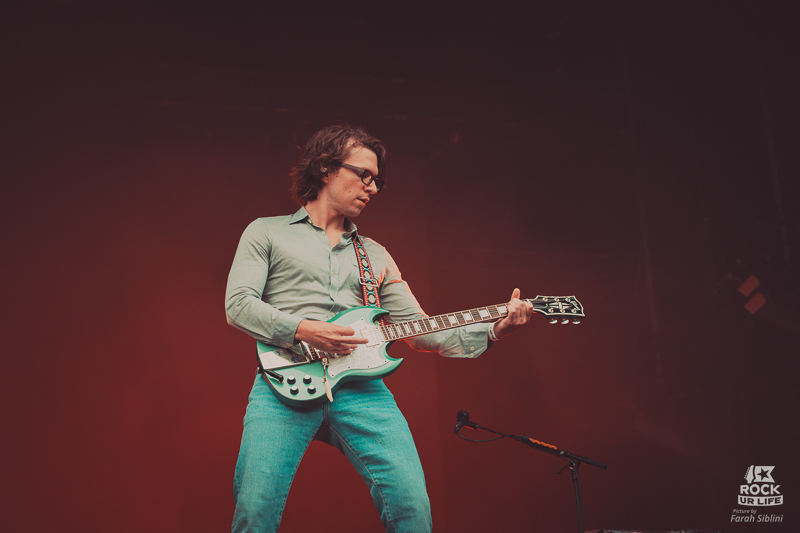
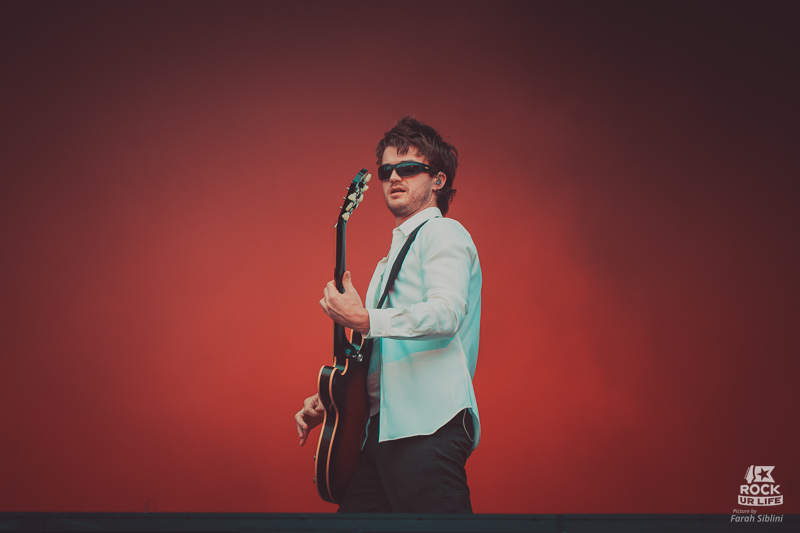
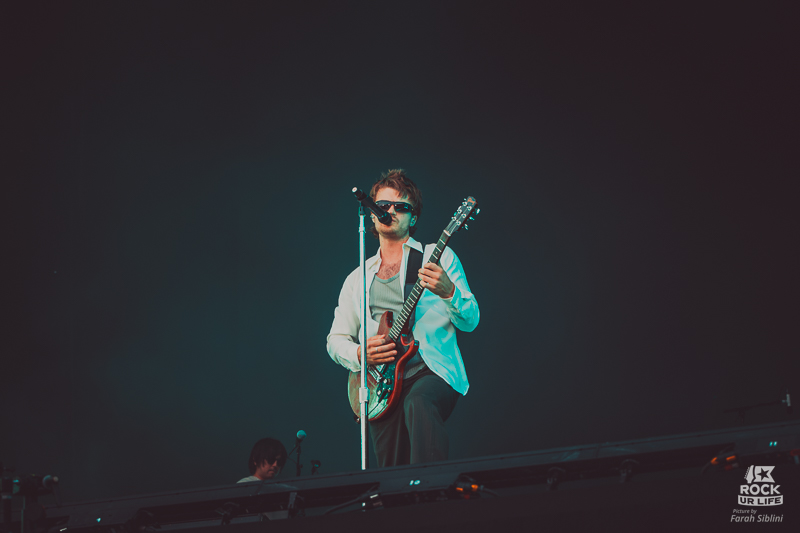
On stage, the artist is surrounded by a large band and makes frequent instrument changes, shifting from guitar to piano with notable ease. The whole show embraces a deliberately retro aesthetic, amplified by visuals shown on screen: faded colors, vintage filters, lo-fi animations, and psychedelic atmospheres that evoke both the 1970s and certain more contemporary indie productions.
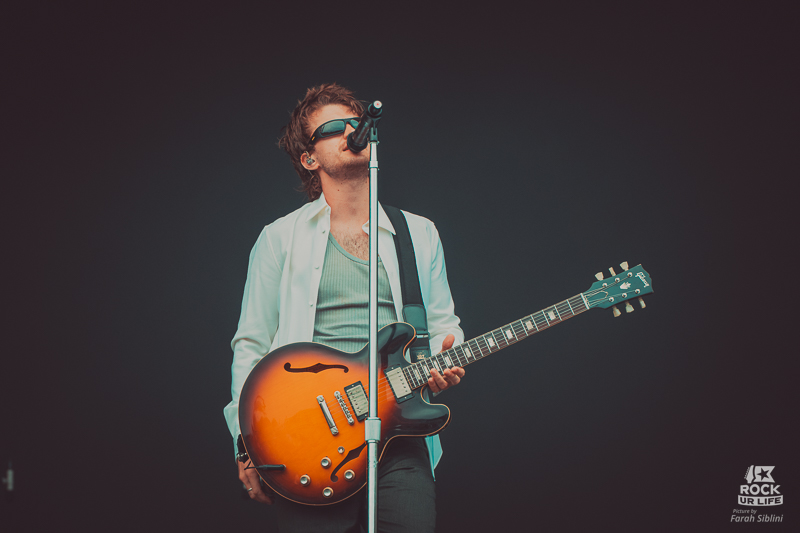
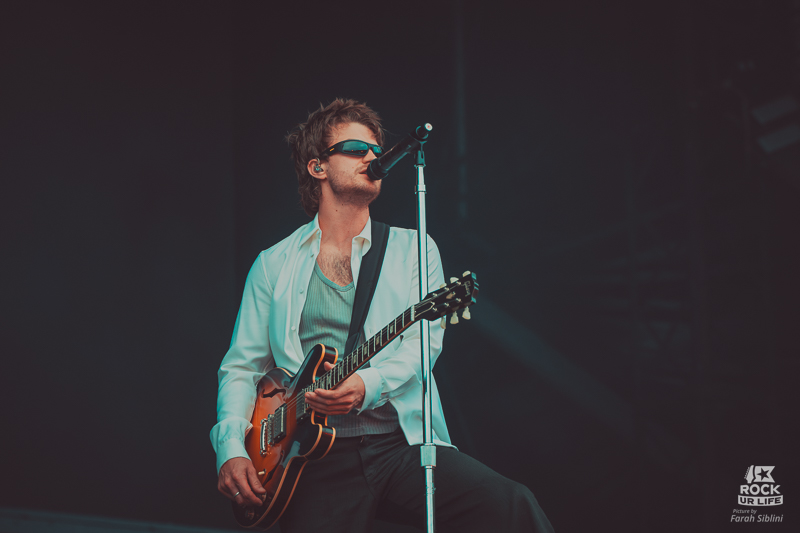
The energy is undeniable. Djo (aka Leroy Merlin) quickly transforms the stage into a true playground, exploring every corner and frequently sprinting from end to end with infectious energy. In a move that recalls the acrobatics that Benson Boone has made his trademark, he even performs a somersault right in the middle of the show. One leap, to be fair, but enough to leave a lasting impression.
Even though rain is absent at this point, the earlier showers have left their traces. In a pit transformed into a muddy field, festival-goers pool mud and dance alike. No matter: the crowd is present and responds eagerly to the singer’s prompts. A clear rapport develops with the audience, who regularly join in on the most anthemic choruses.
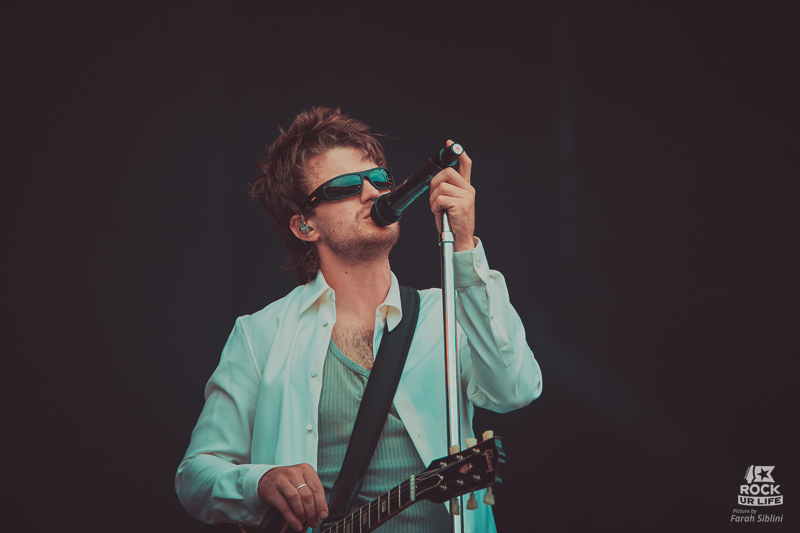
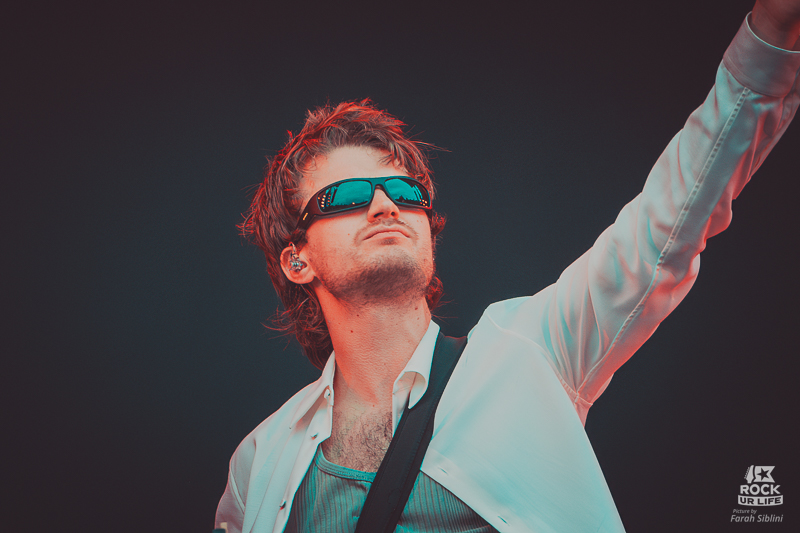
Yet, not everything is flawless. At several points, the musician seems annoyed with the sound crew, clearly exchanging with them in a frustrated tone, likely to address various technical details. Nothing that truly disrupts the concert, but noticeable from the pit.
Musically, the show alternates between high moments and more uneven passages. It is mainly the synthesizers that stand out, supported by catchy riffs and melodies that are immediately memorable. Some tracks clearly rise above the rest, such as “Charlie’s Garden” or “Delete Ya,” among the real strong moments of the set. Other sequences struggle more to hold the audience’s attention despite the band’s constant investment.
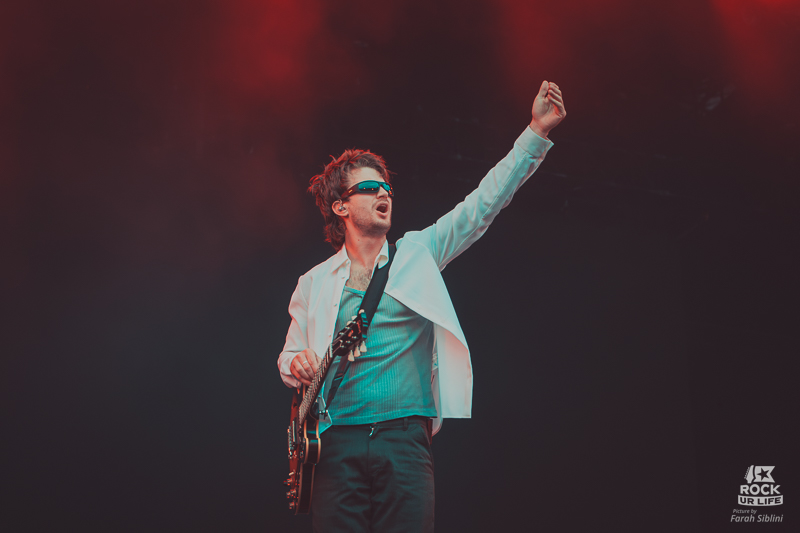
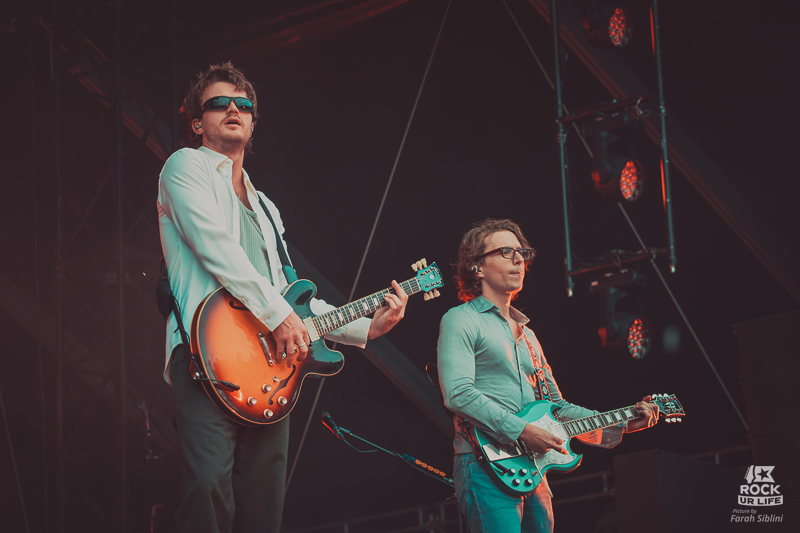
There is also a distinctive way of ending certain songs: they sometimes stop abruptly, almost bluntly, without a real final build or transition. A choice that contributes to the project’s identity but can surprise. The concert ends, of course, with “End Of Beginning,” fervently sung by a crowd already won over. A performance carried by genuine warmth, boundless energy and a few very good moments, without necessarily standing out as the most memorable on this second day.
Sam Quealy
On the AXS stage, SAM QUEALY offers probably one of the most studied and choreographed shows of the day. The Australian artist, who has risen in recent years thanks to social media and her uncompromising universe, delivers a performance designed as a true show. Dancers, precisely timed choreographies and a hyperpop aesthetic alternate throughout the concert. The result may not speak to every audience, but the artistic identity is fully embraced. The visuals are meticulously crafted in every detail and confirm the artist’s growing potential. Given her current trajectory, it would not be surprising to see her on Parisian stages with larger capacities anytime soon.
Lorde, queen of the storm
To close this rain-soaked day, LORDE offers festival-goers a concert as ambitious as it is moving.
For nearly an hour and a half, the New Zealand singer traces the milestones of her career with a carefully crafted show. Right as she steps on stage, she opens with a shortened version of “Royals,” the song that revealed her to the world.
The showers may have ceased, but their traces remain clearly visible in the park. Weather conditions oblige, musicians, dancers and the singer appear in parkas. Far from hindering the show, this adaptation even lends it a certain extra soul. The staging relies on several mobile blocks whose faces are covered with screens. As the concert progresses, they move and rearrange to give birth to a sequence of visually striking tableaux. Accompanied by two dancers, Lorde moves on stage as if within a perpetual moving art installation.
High moments and essential tracks follow one another. “Perfect Places” and “Buzzcut Season” remind how central her repertoire has become over the years. On “Oceanic Feeling,” the stage, and especially Lorde’s face, are illuminated by lights that evoke the sea and the sun, plunging the audience into a meditative atmosphere. Later, “Current Affairs” creates one of the day’s most striking tableaux: perched on one of the blocks, Lorde appears suspended high above the stage, lit by a single white spotlight. A bit later, her face is projected through a glass pane integrated into the structure and transmitted to the giant screens, creating a simple yet hypnotic effect.
Between songs, the artist frequently takes time to address the crowd. More than a mere exchange, these are often intimate confessions. She speaks of the women who have inspired her over the years, notably mentioning Lykke Li among them and evoking a fleeting hope of a surprise appearance by the Swedish singer.
The emotional peak comes with “Liability.” While she performs one of her most personal songs, images of a teenage Lorde are projected directly onto her body. A few moments later, “Man Of The Year” turns the leather jacket she wears for the track into a true stage element as it lights up with multiple red laser beams during the chorus.
Then comes the grand finale. “Girl, so confusing” and especially “Green Light” trigger a genuine euphoric frenzy in front of the Grande Scène. Despite the mud and the still-wet clothes of many festival-goers, the crowd sings, dances and jumps in unison. In a gesture not unlike what Lykke Li did earlier in the day, Lorde even treats herself to a cigarette on stage, in total contradiction with the festival’s smoking ban.
The artist then chooses to end on a more intimate but equally symbolic note. During “David,” a massive banner bearing the inscription “I Don’t Belong To Anyone (2013-2026)” is unfurled in front of the stage, carried by fans, while the singer gradually covers her body and part of her face with light blue paint. Then, after more than an hour and a half of concert, Lorde finally leaves the stage to join her audience and performs “Ribs” in the middle of the crowd before slipping backstage.
A spectacular and sincere ending to a day that the rain ultimately helped to make even more memorable.