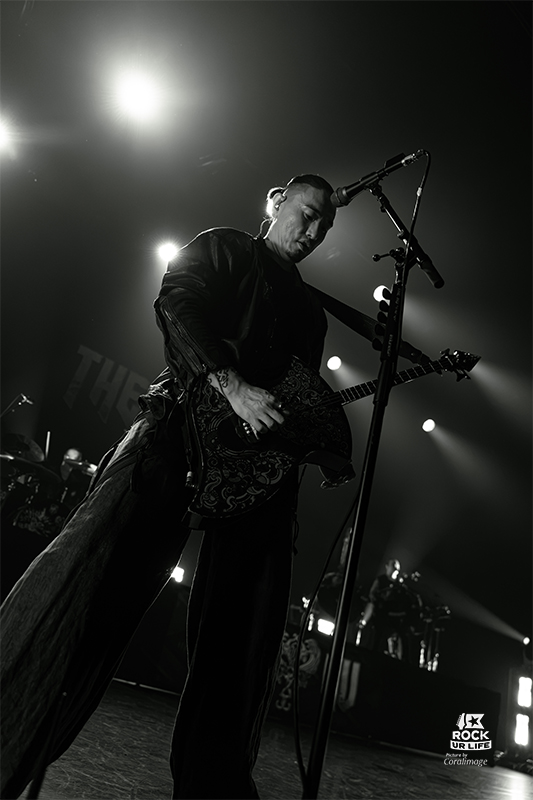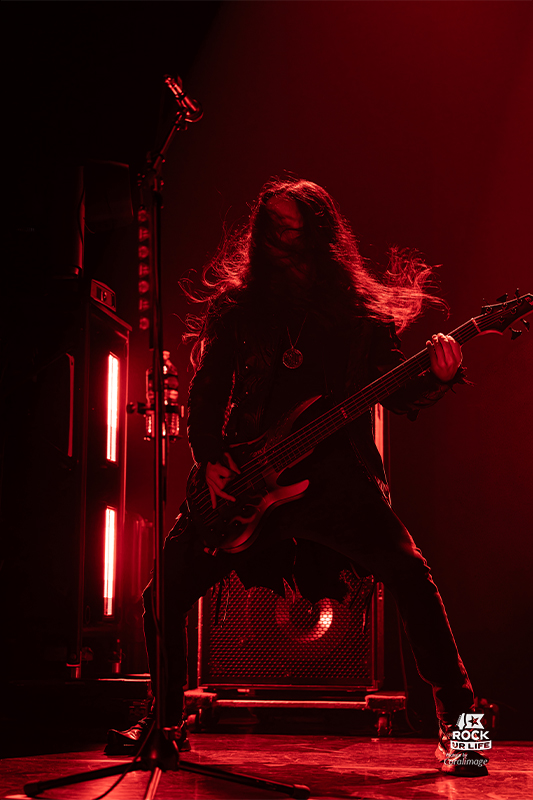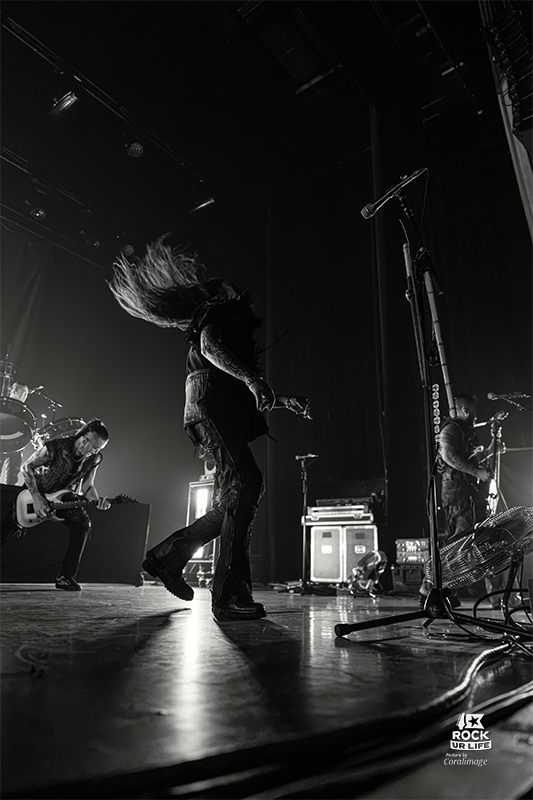
On Tuesday, October 27, the Olympia in Paris invites us on a journey: aboard a drakkar through the Norwegian fjords and on horseback across the Mongolian steppes… Two realms quite distant, yet sharing enough in common to offer a successful concert evening, blending the sounds of traditional music with the energy of metal! For their Paris date as part of the Warrior Chant Tour, the group The HU invites the French duo SKÁLD. The two groups share a taste for ancestral sounds and the mixing of genres, each drawing from a culture and an imagination that are their own. A proposition that is pleasing the Parisian public: Olympia is sold out.
SKÁLD
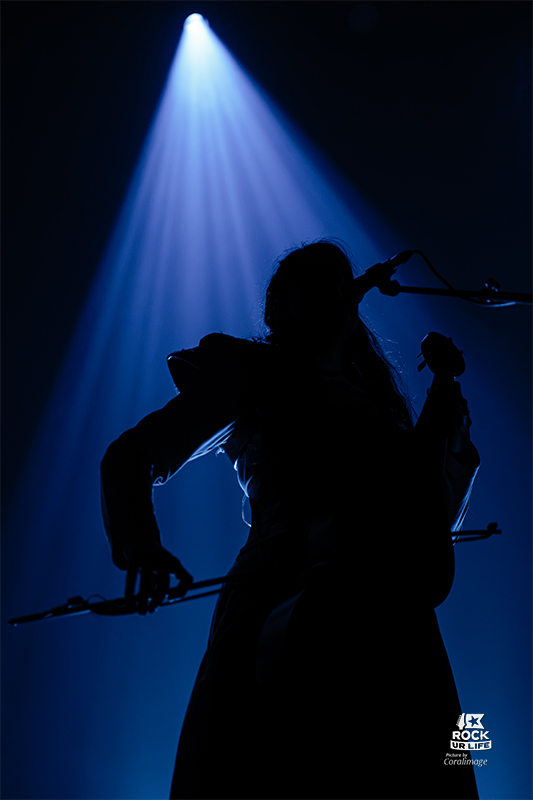
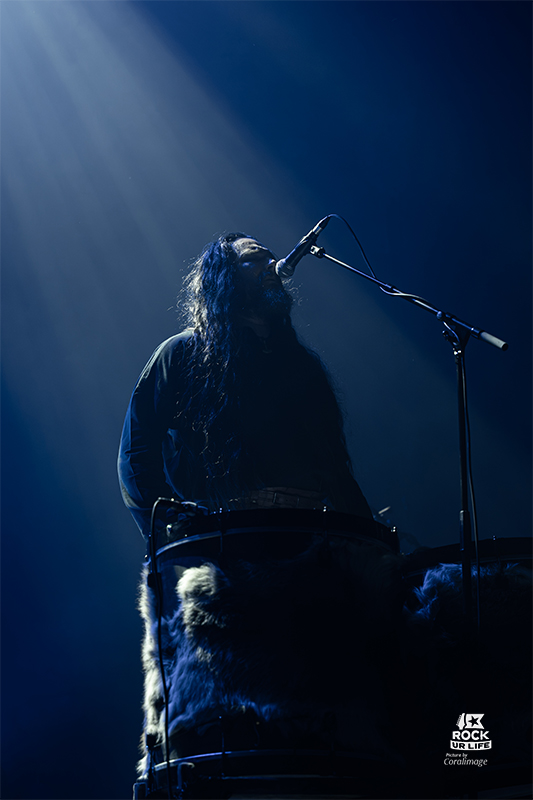
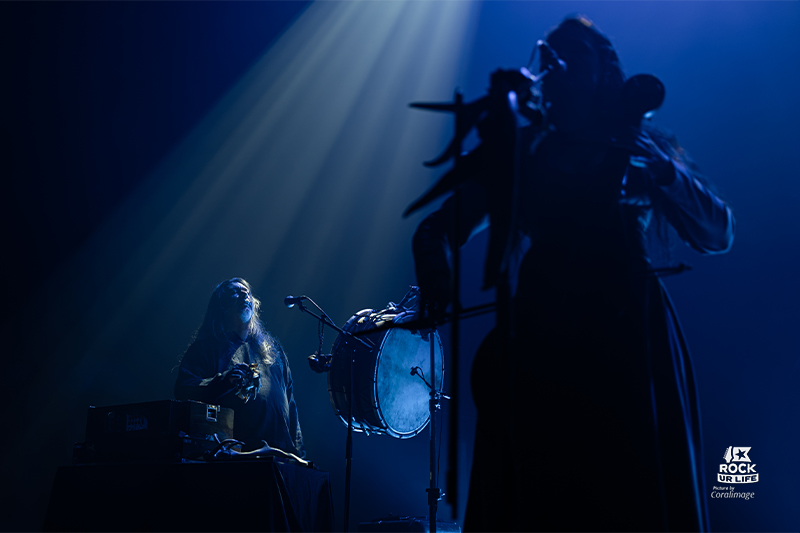
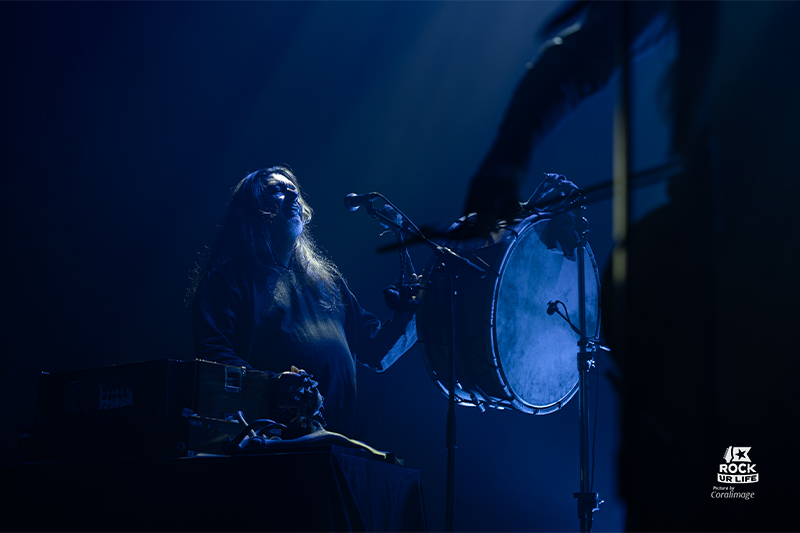
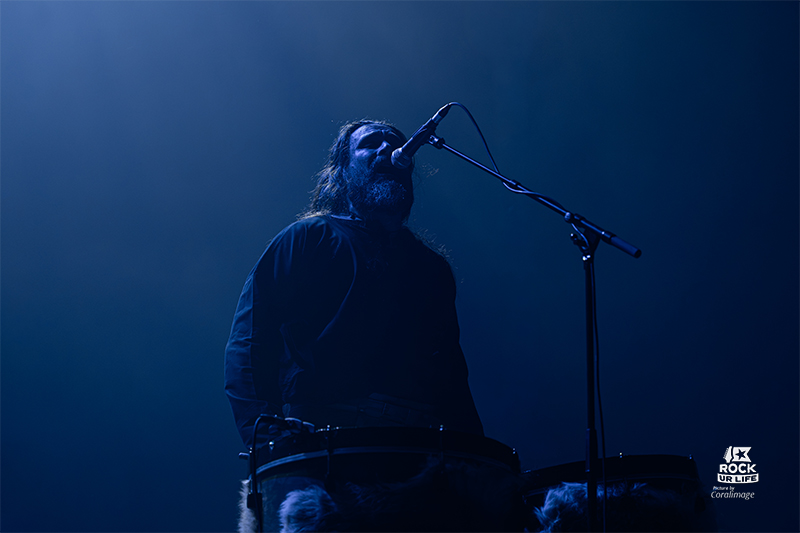
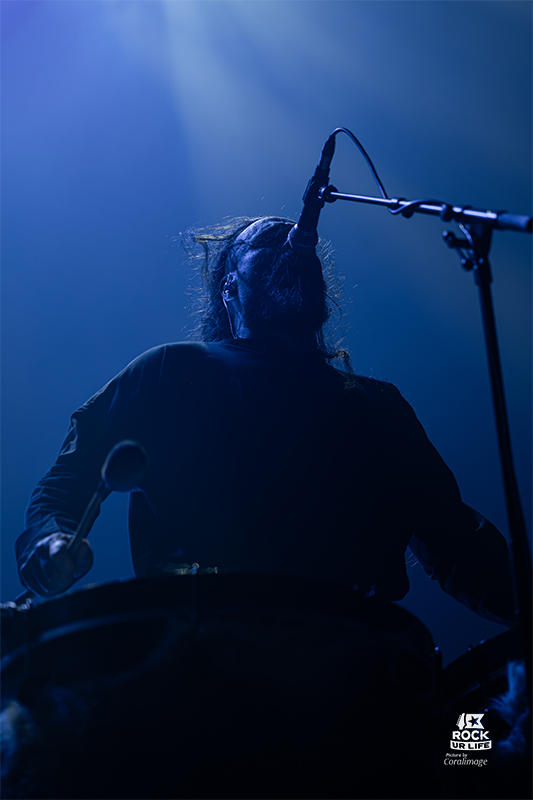
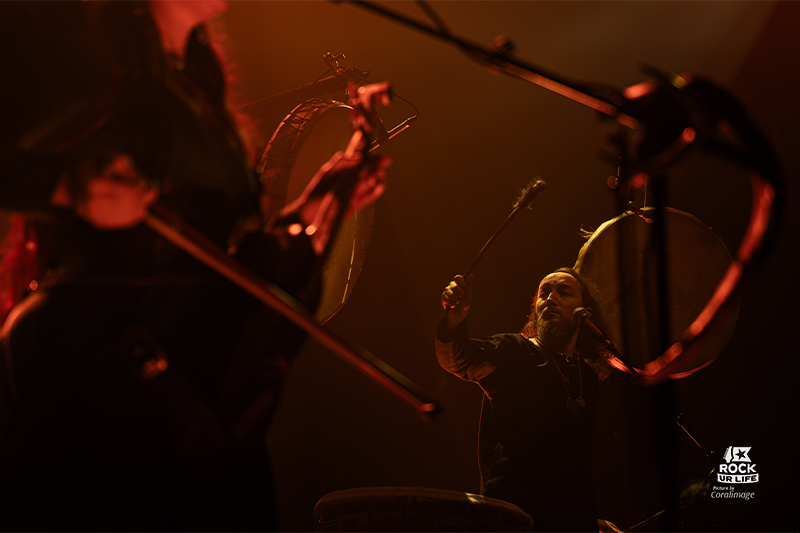
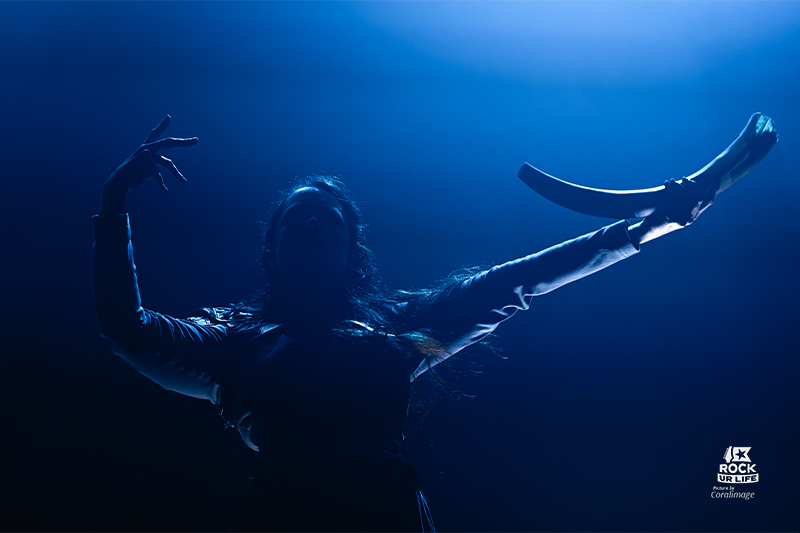
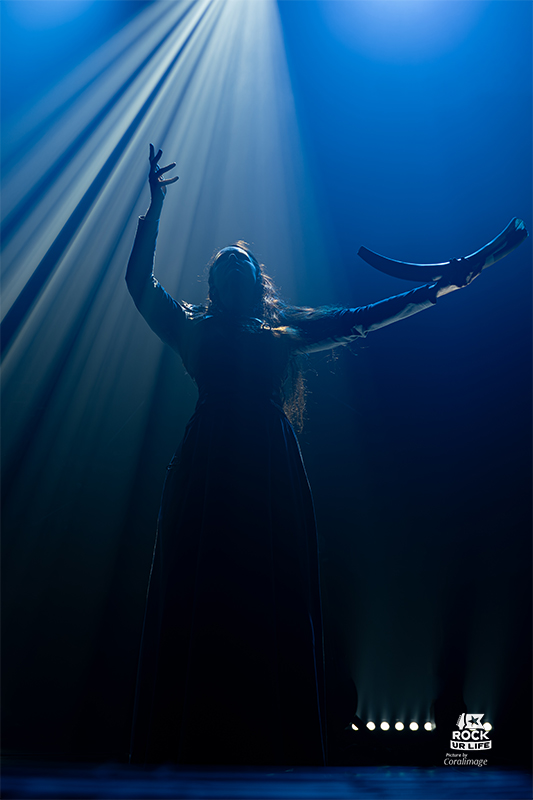
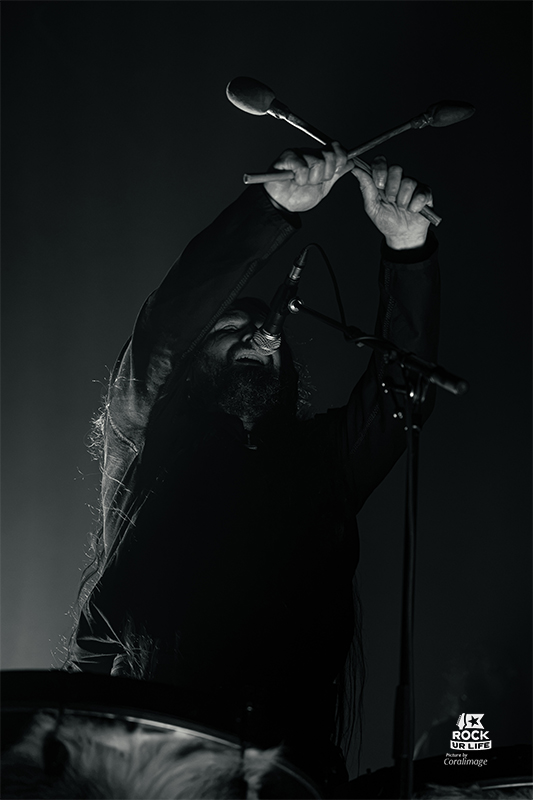
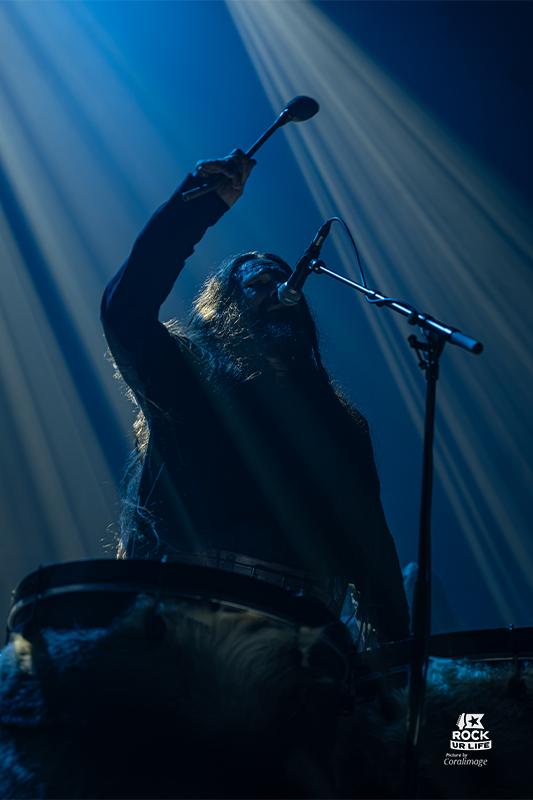
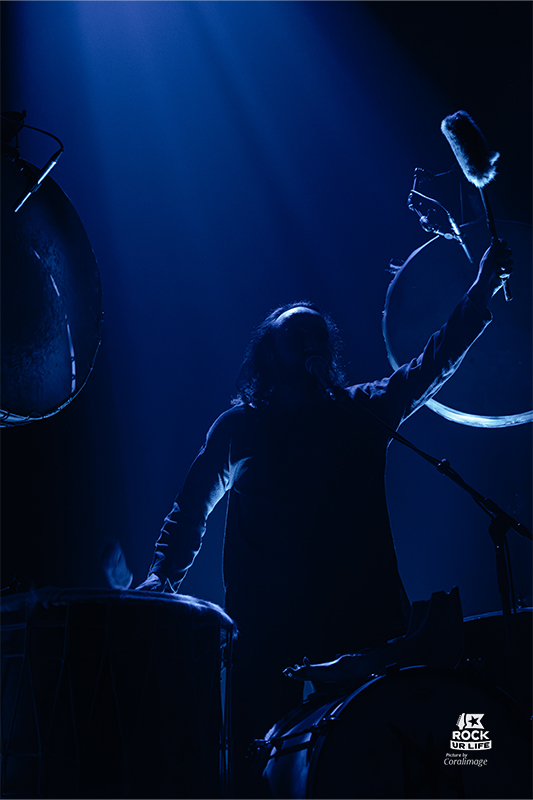
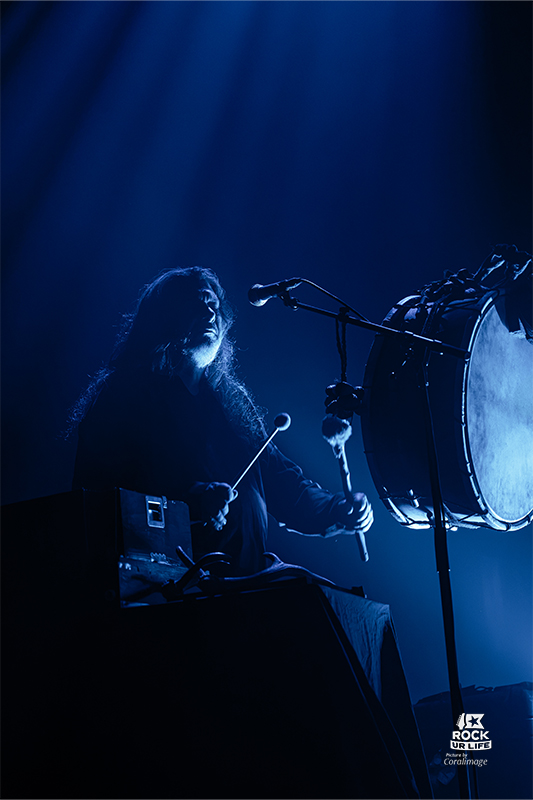
SKÁLD opens the evening with its pagan folk that evokes ancient and imagined Nordic lands. In an Olympia already packed to the rafters – a small bottleneck even forms at the entrance – the group makes the hall vibrate with the sounds of its tribal percussion. A SKÁLD concert is a show in itself: with Viking-inspired costumes, a meticulously crafted staging and chants in Old Norse (ancestor of today’s Scandinavian languages), immersion is guaranteed.
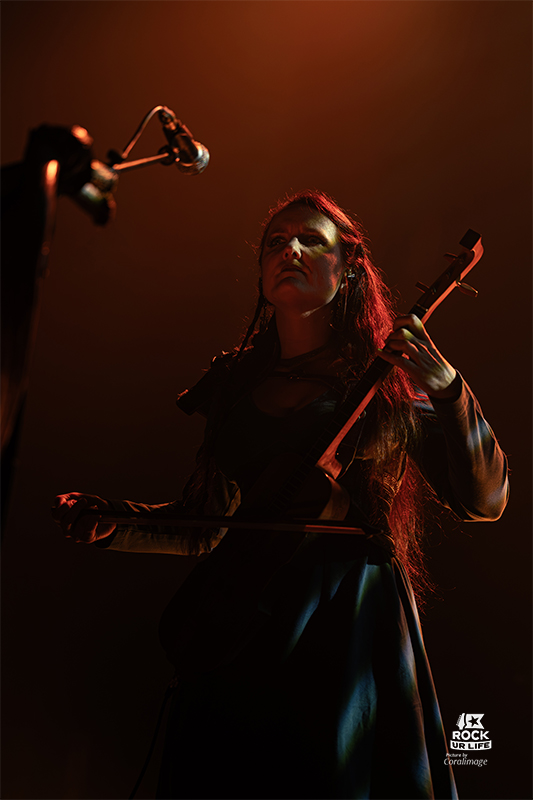
Their music alternates between mystical incantations and war cries. And it works wonderfully with the audience, particularly receptive that night to this blend of genres. Viking tattoos sit next to Hellfest T-shirts in a pit that vibrates to bouzouki sounds and drums. A very strong opening statement and a mission accomplished: not only to summon the spirits of the past, but also to prepare the audience for what follows with the arrival of The HU on stage!
The HU
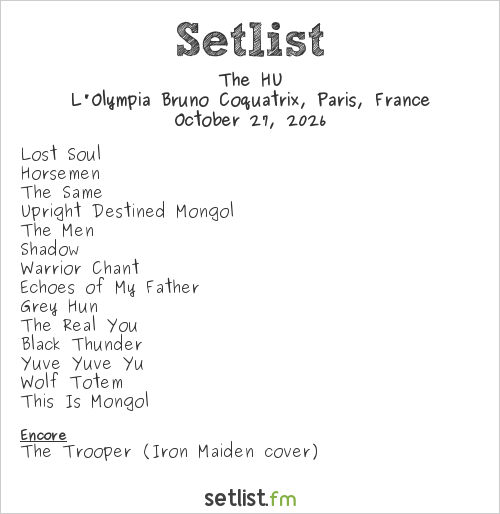
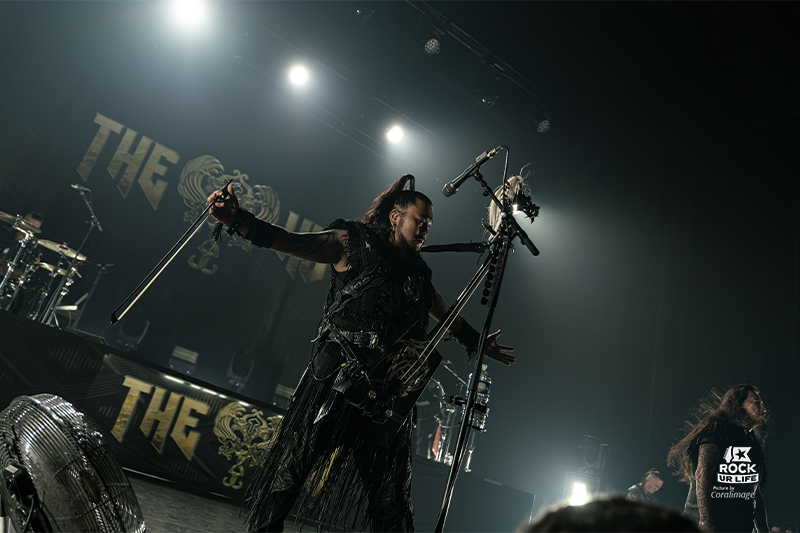
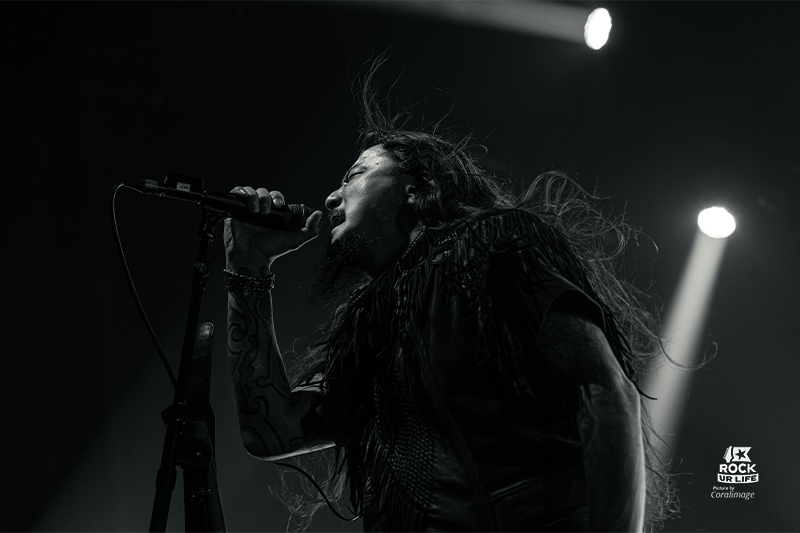
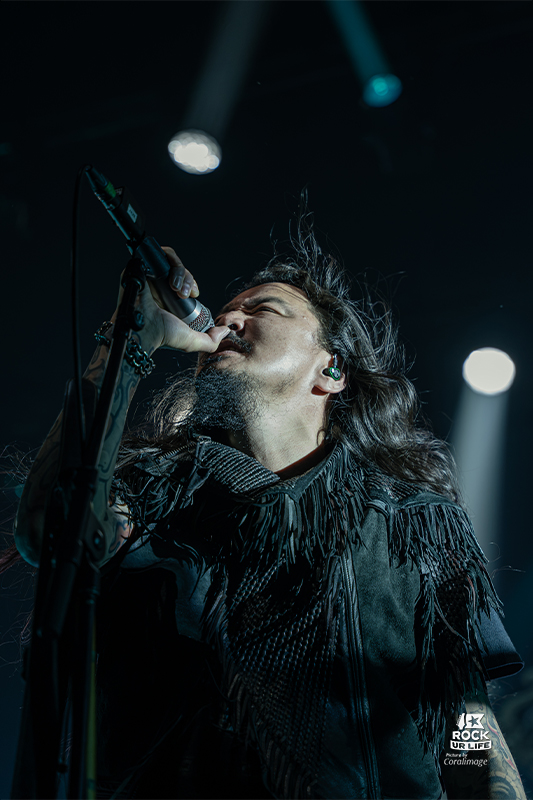
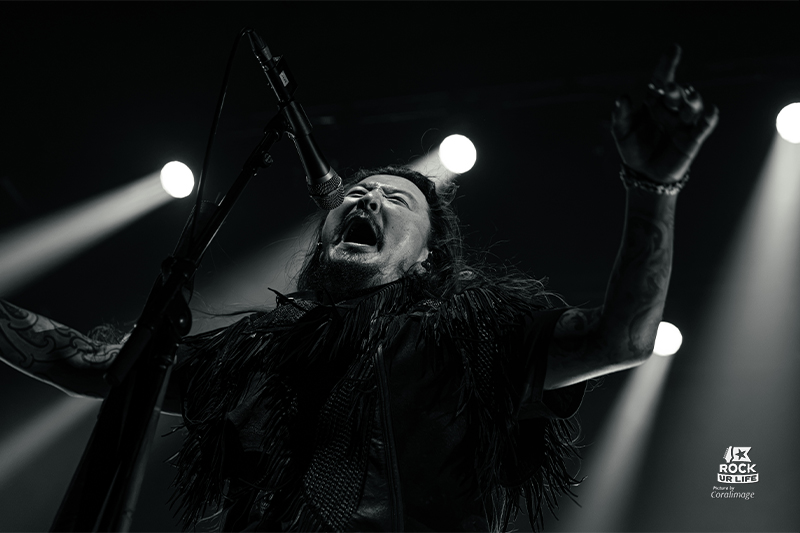
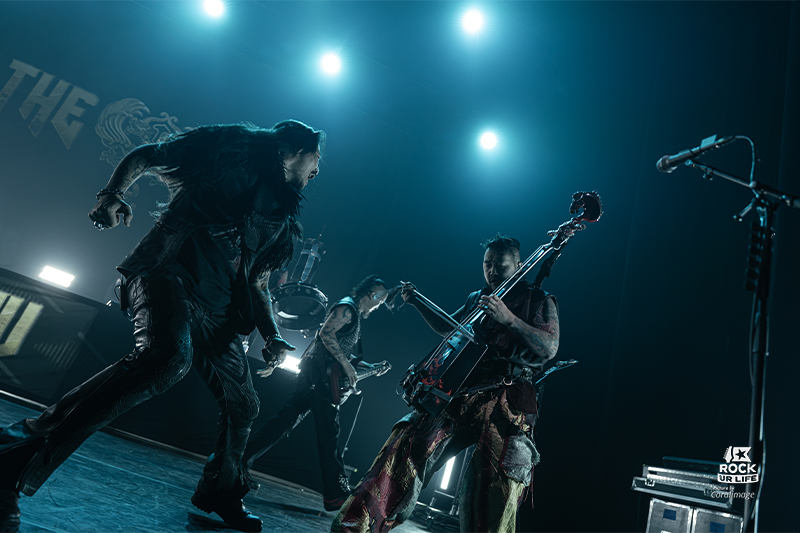
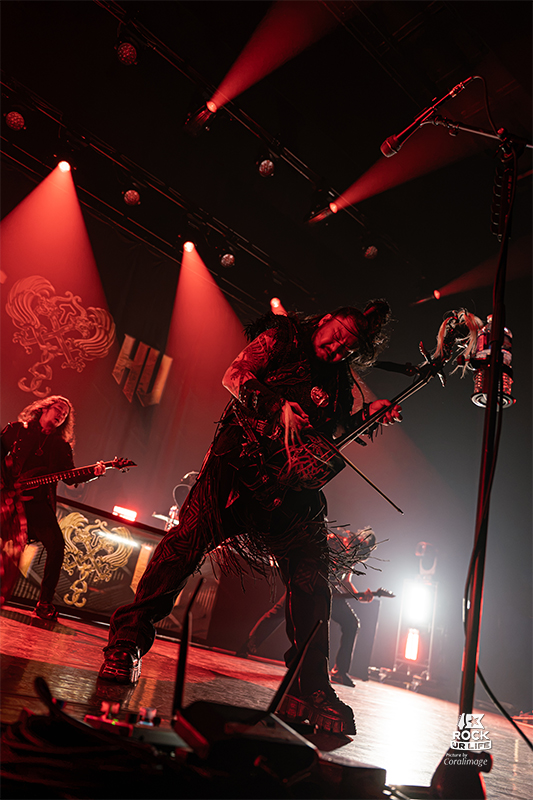
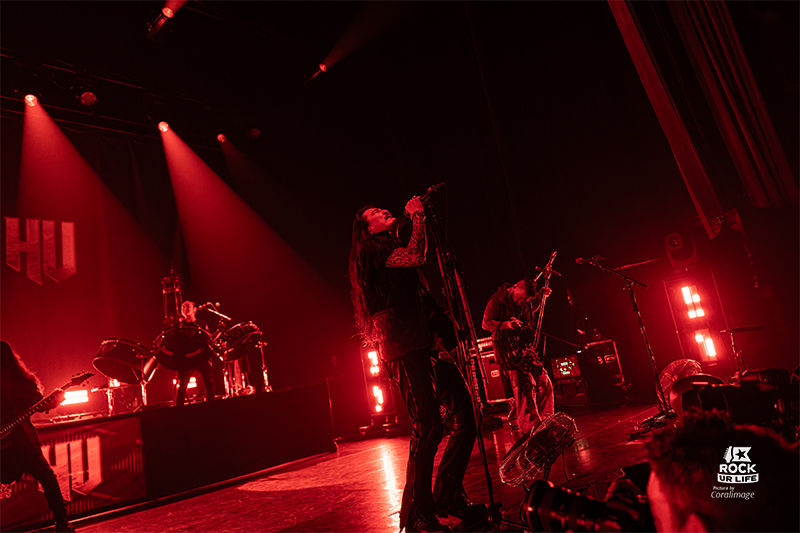
A change of scenery: we leave the Vikings behind and join the Mongols. After an exceptional UNESCO date the night before as “Artists of UNESCO for Peace,” THE HU are especially in form as the eight musicians arrive on stage. Their entrance is accompanied by heavy riffs and lights sweeping the room like beacons. “Lost Soul” (whose studio version was recorded as a featuring with Jonny Hawkins of NOTHING MORE) proves to be the perfect track to open the set. The audience is won over. Shouts of “hu hu hu” erupt already and will be heard several times throughout the concert.
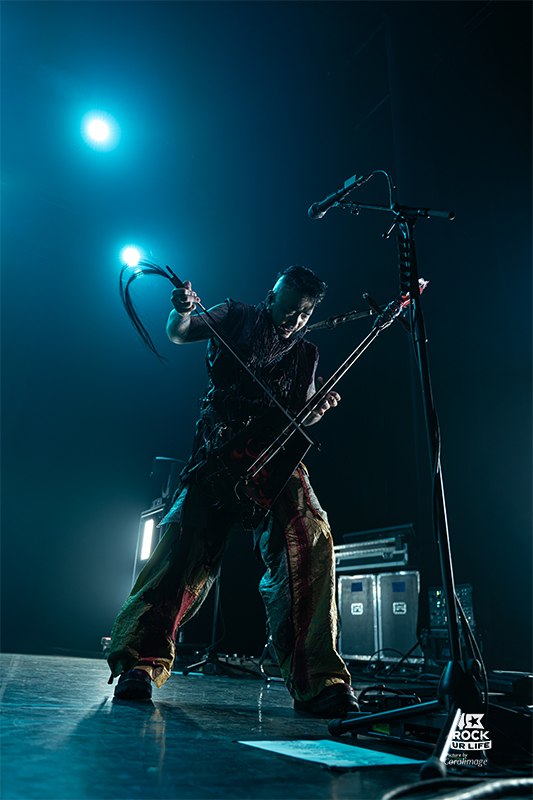
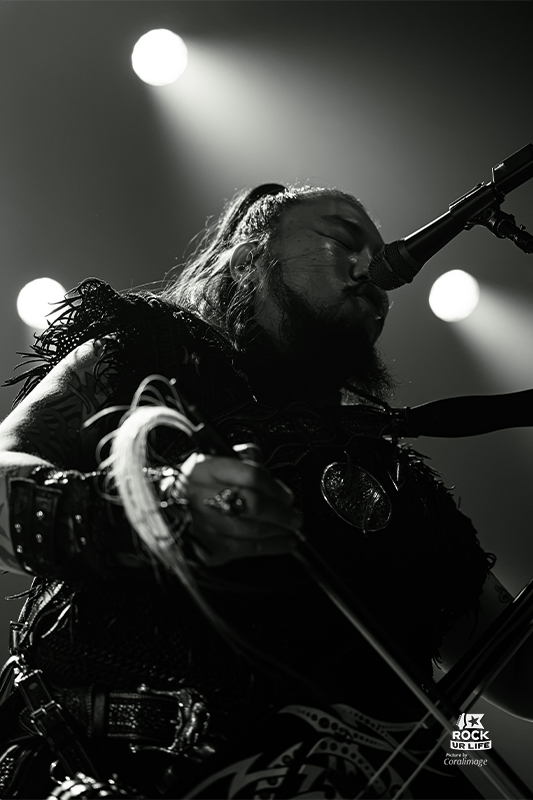
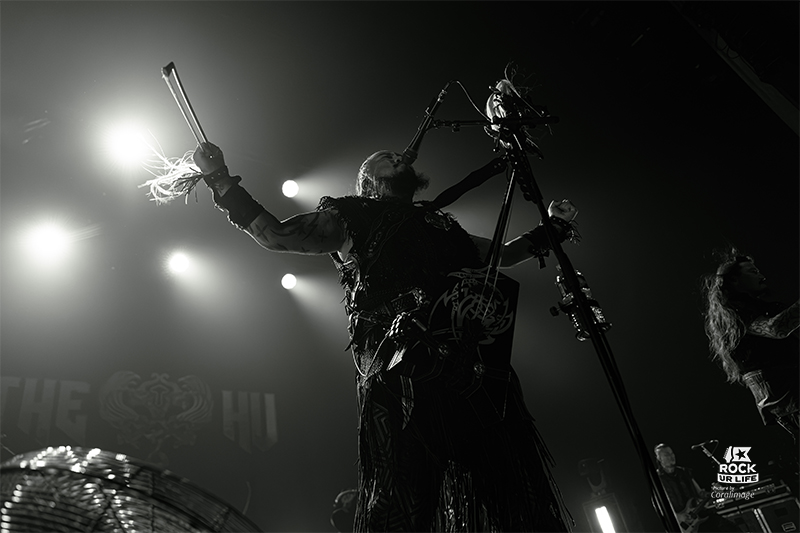
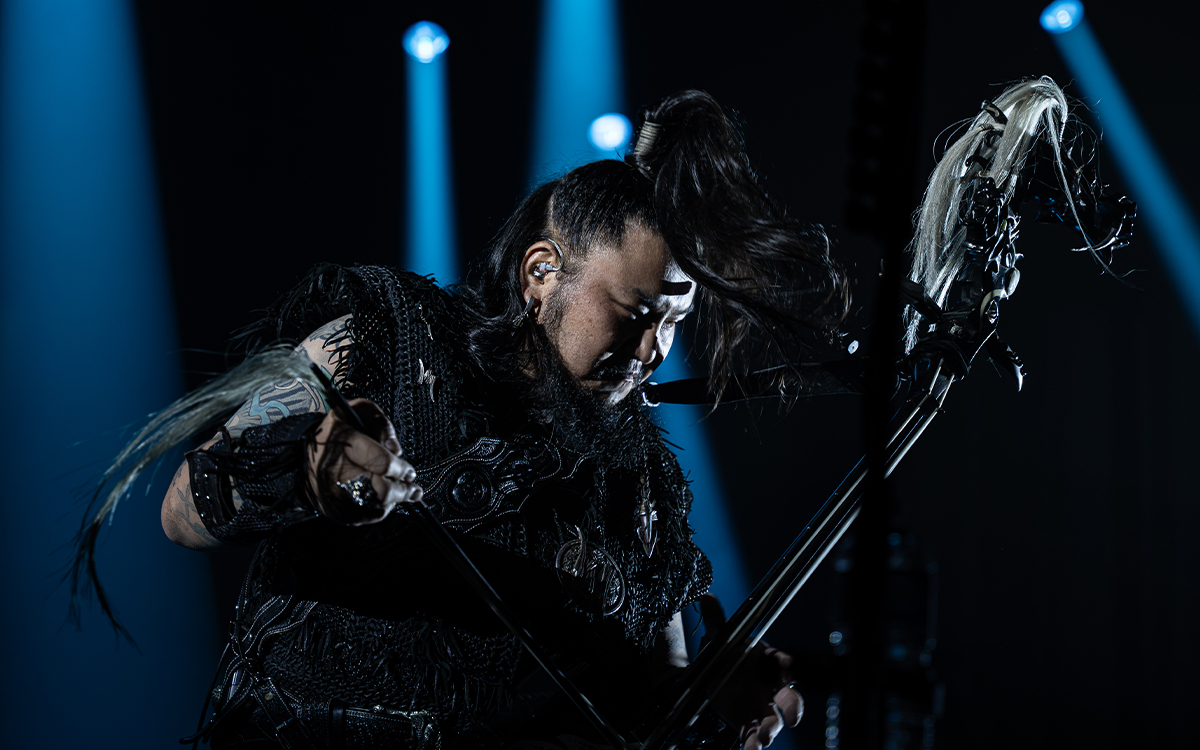
The peculiarity of their musical style, dubbed hunnu rock, lies in the emphasis given to the morin khuur (a two-string fiddle topped with a horse head) and throat singing, characteristic of Mongolian culture. Thus, “Warrior Chant,” which gives the tour its name, takes on the aura of ritual chant, while the epic track “The Men” particularly showcases the morin khuur.
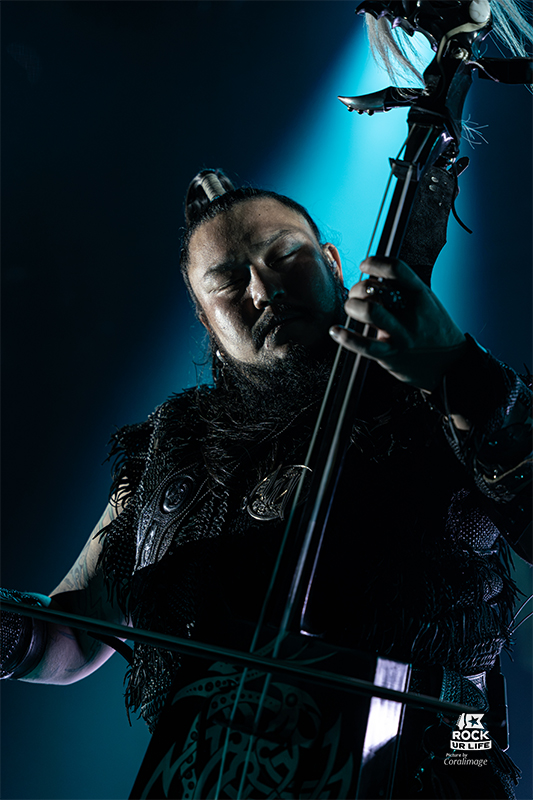
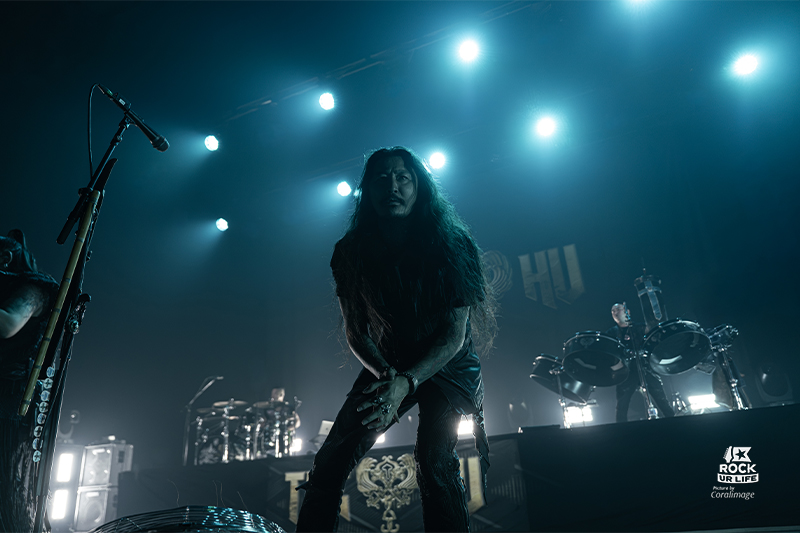
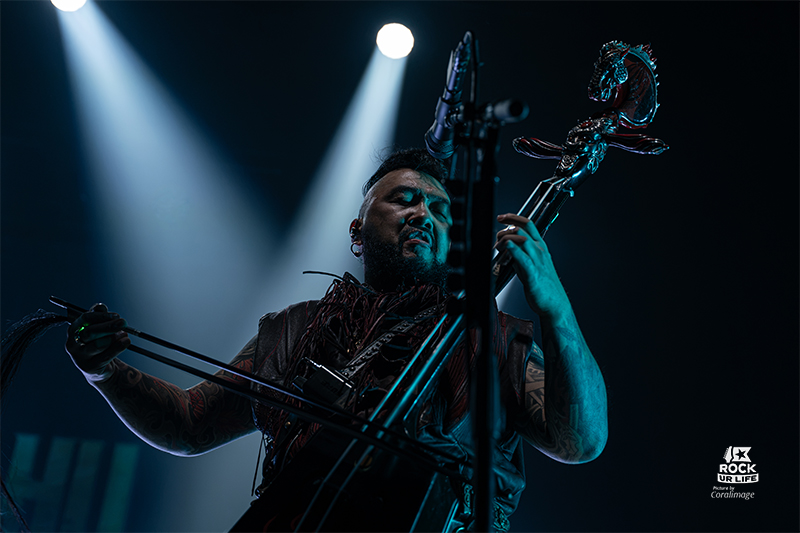
Throughout the set, the group deftly alternates between slow pieces and faster ones, blending rock tones with epic, ancestral-sounding flourishes. The sequence of “Echoes Of My Father” and “Grey Hun” is among the most telling examples. The former is a stripped-down song that the band dedicates to “all the fathers of the world” and which obviously means a lot to them. Bathed in a red-orange light, the piece creates a mystical atmosphere, and one can easily imagine sitting around a campfire. “Grey Hun” then follows with a more rock approach, bringing us back to the here and now. Its catchy chorus has the crowd lifting their hands in rhythm in the pit. With its frantic pace, “The Real You” finally gets the crowd dancing.
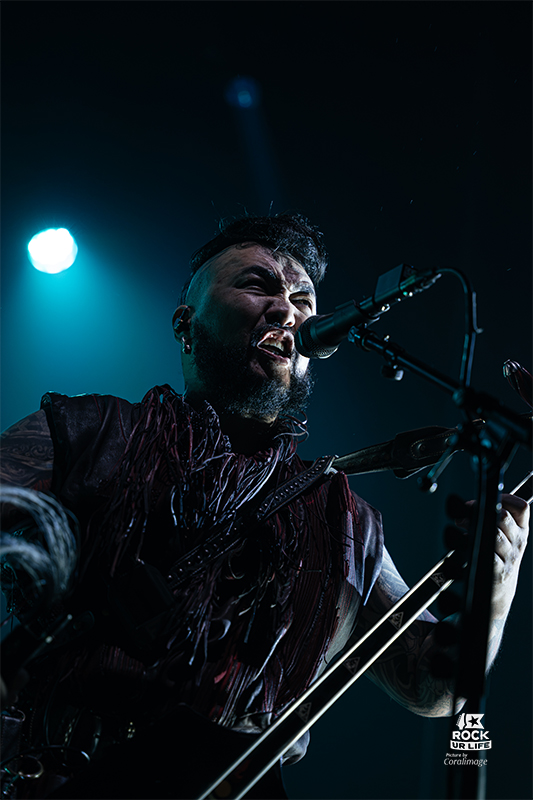
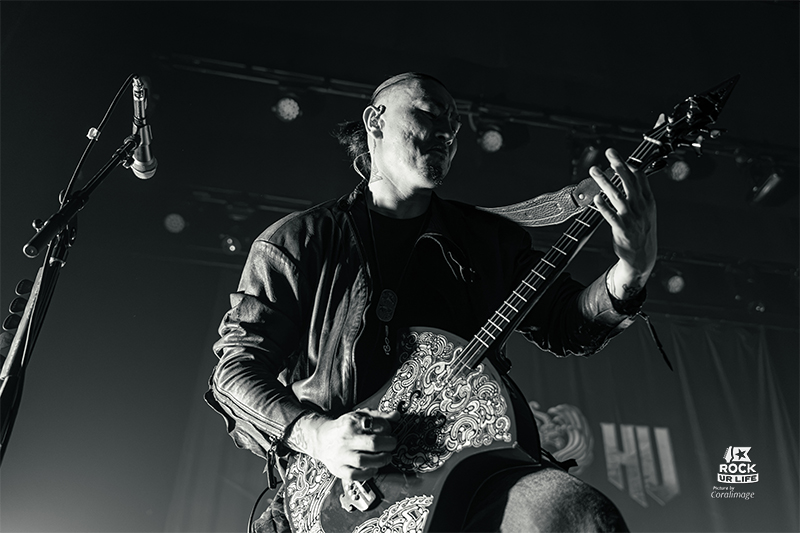
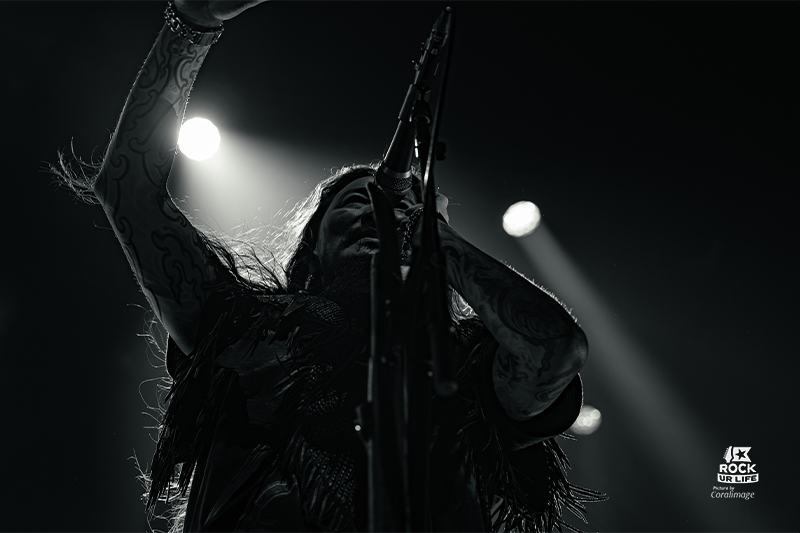
Toward the end, as they promote their new album HUN, the Mongols give it a prominent place in their setlist, with no fewer than eight tracks from the record, i.e. half of the show. But the classics are also present and win over the fans. The emblematic “Yuve Yuve Yu” is one of the evening’s most anticipated numbers. With its catchy chorus and galloping rhythm, it offers an irresistible urge to jump and dance.
After about an hour, The HU leaves the stage, then returns for a brief encore. The band asks the crowd to chant “one more song, hu” – a request taken literally, as the musicians end the show with “The Trooper,” a cover of Iron Maiden. After a single encore, the audience leaves a little hungry for more.
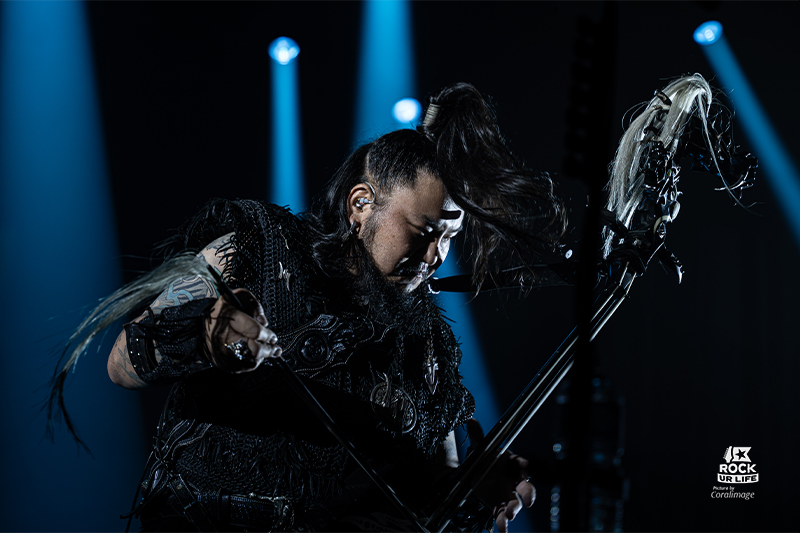
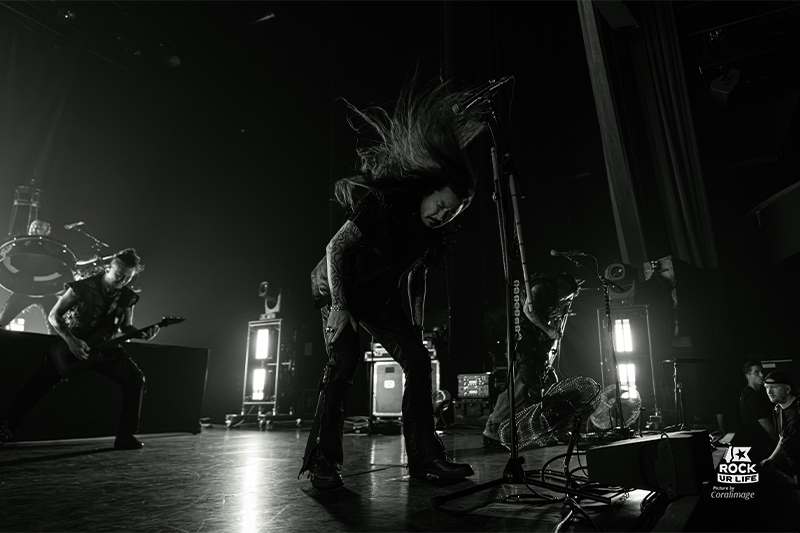
A short show, but intense and transporting, proving that traditional sounds have every place in today’s metal scene, and that tradition and modernity are not necessarily opposites.