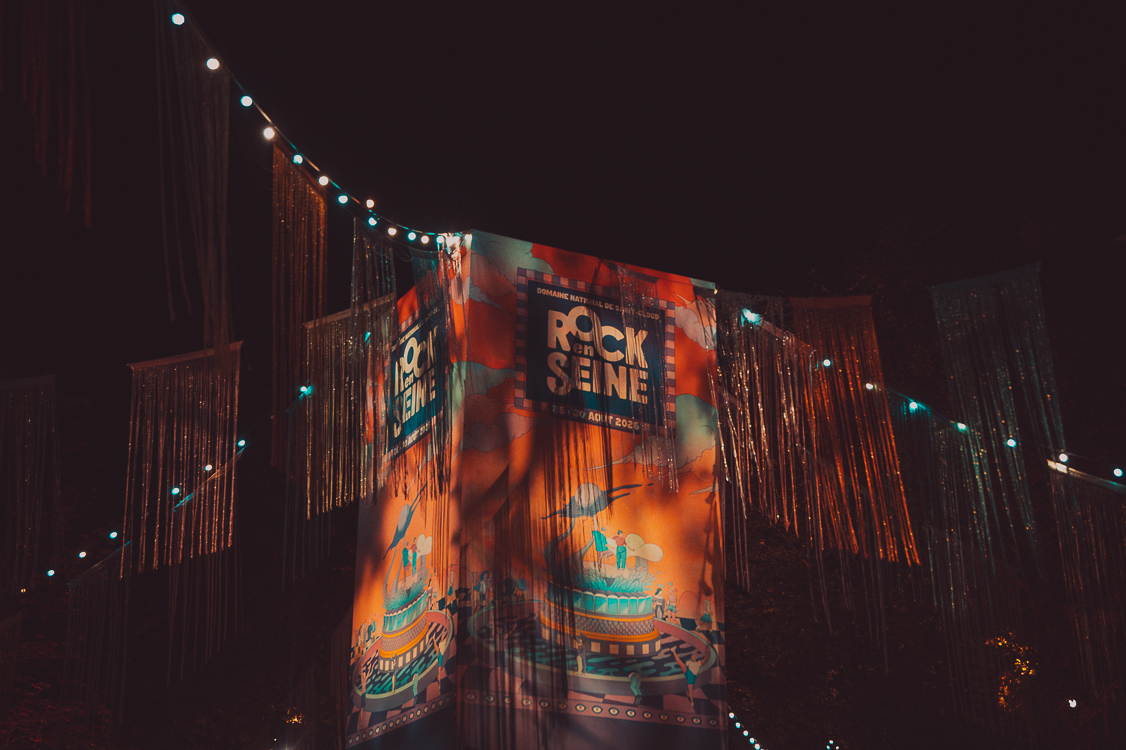
Last day for this 22nd edition of Rock En Seine. We lace up our best rain boots to dodge the mud as we soak in the Sunday lineup that promises to be unforgettable. And there is plenty to enjoy: the shoegaze of Slowdive, the protean rock of Wolf Alice, and the post-punk of Interpol should carry us to the edition’s long-awaited finale with The Cure. It’s enough to wander through the avenues of the Domaine National de Saint-Cloud to understand who is really awaited today. T-shirts bearing the band’s logo, outfits all in black, crimped hair, bold red lipstick and eyes lined the way of Robert Smith, The Cure well before they step on stage. Some fans seem determined not to leave the Main Stage of the day, so as to secure their spot until nightfall.
Slowdive
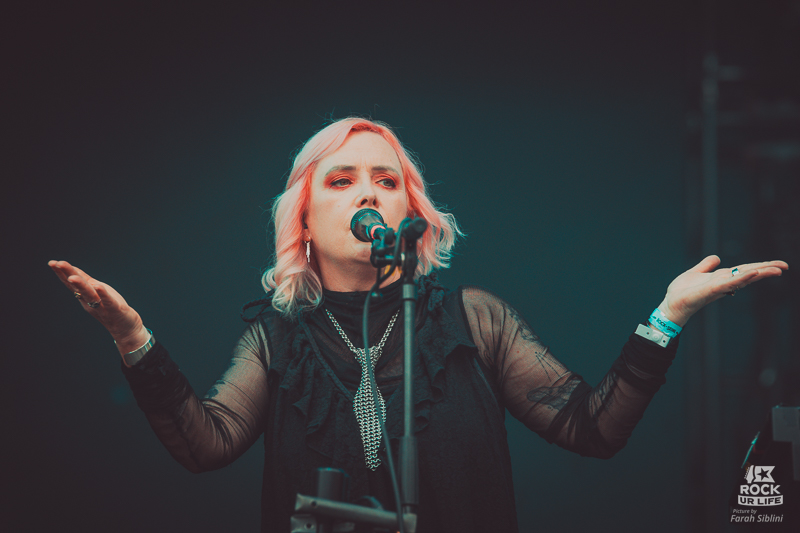
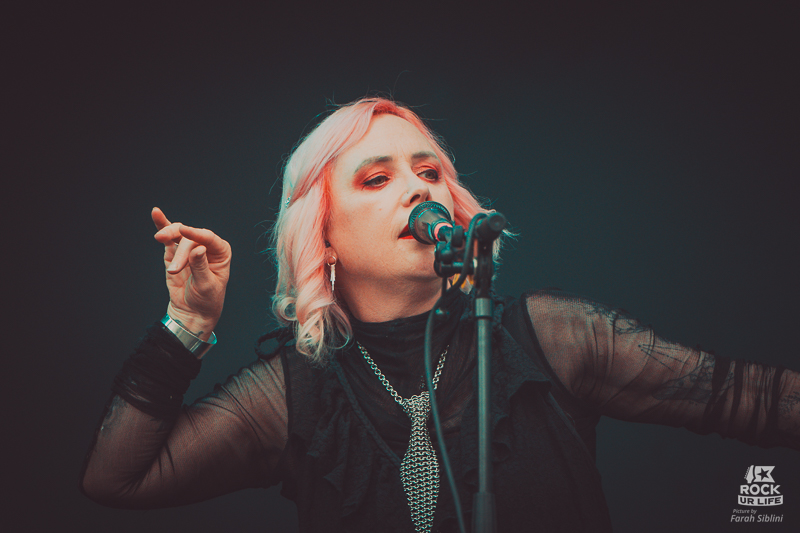
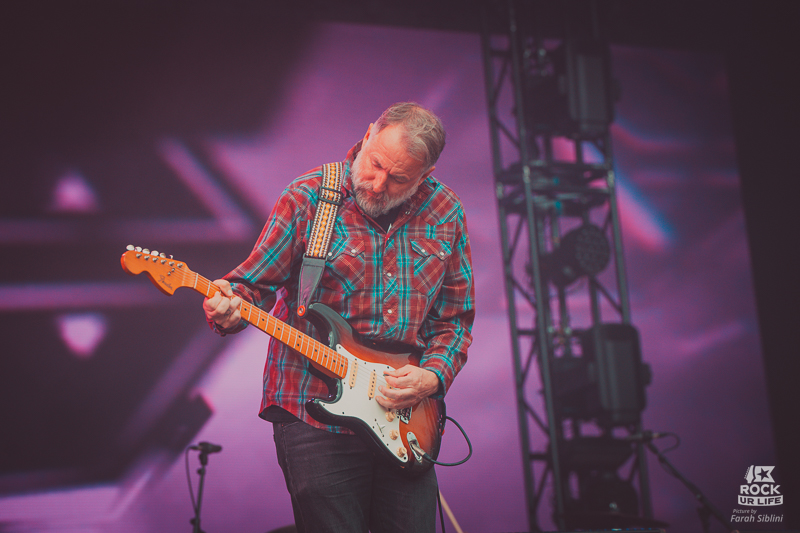
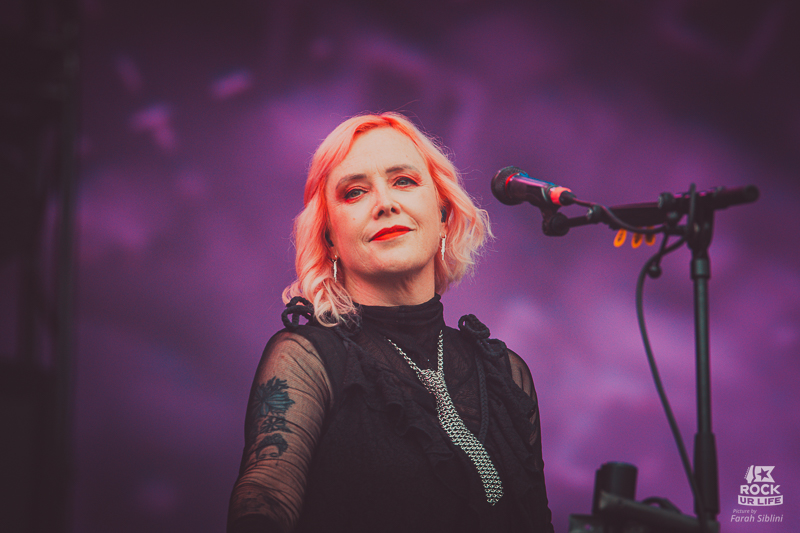
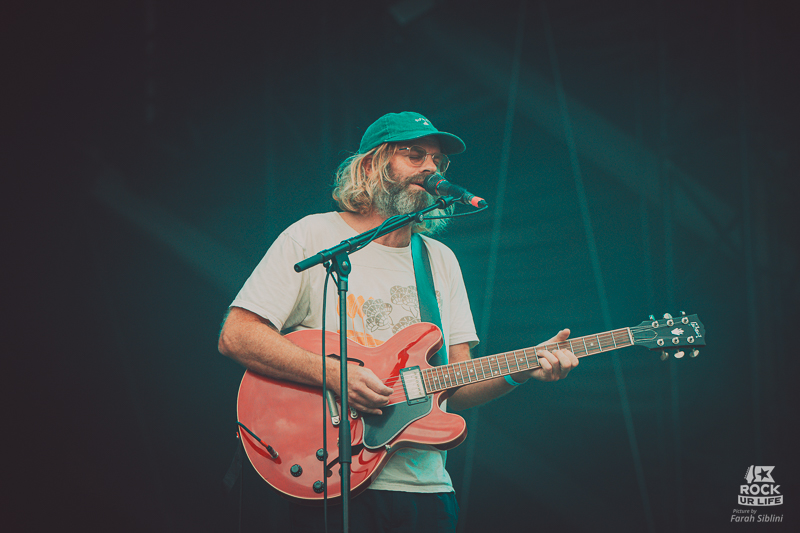
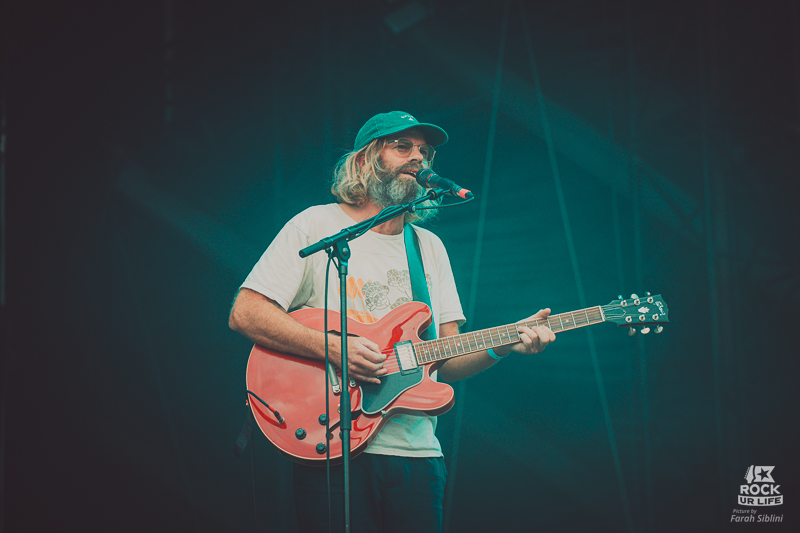
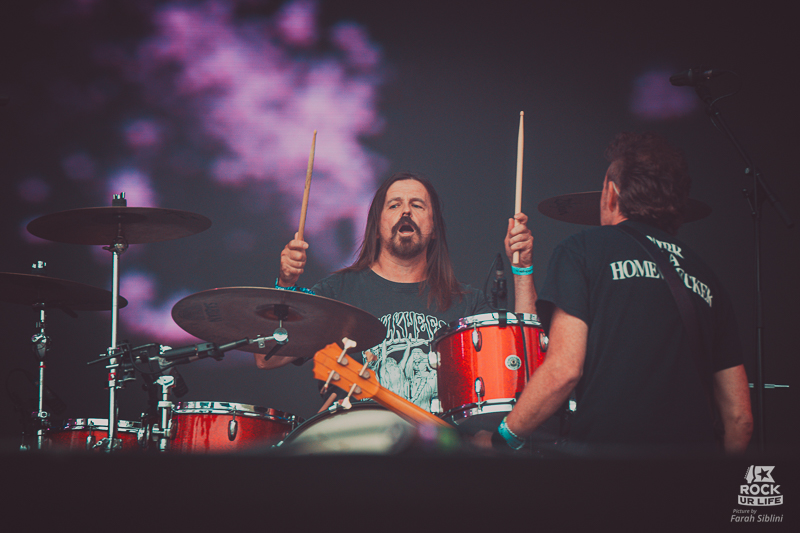
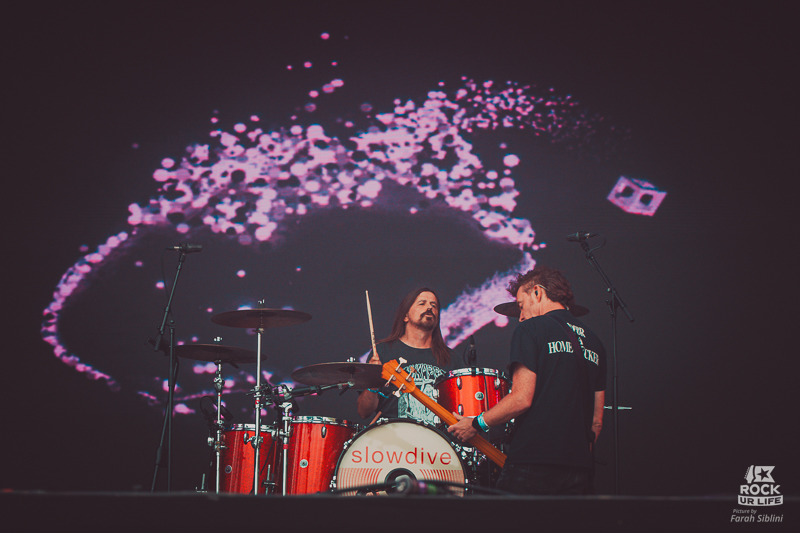
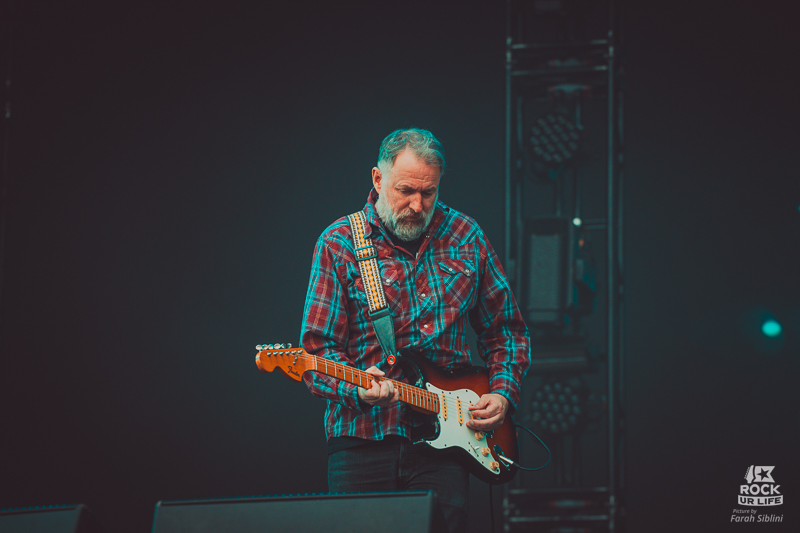
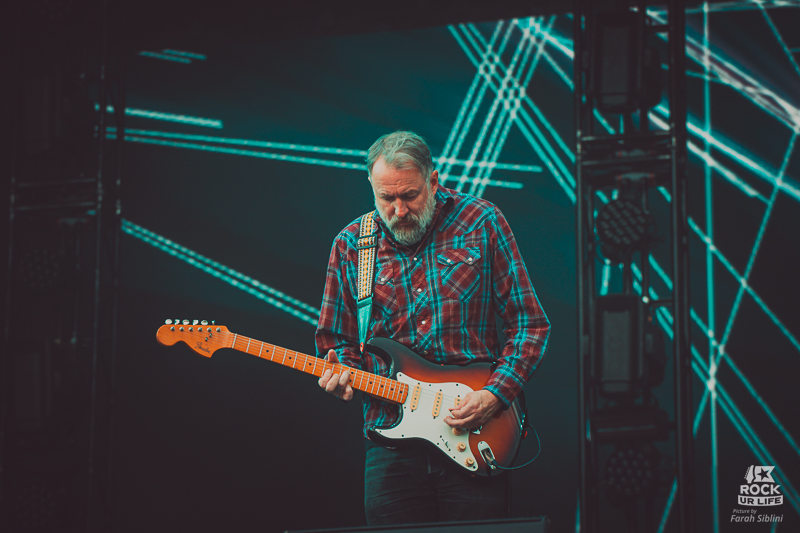
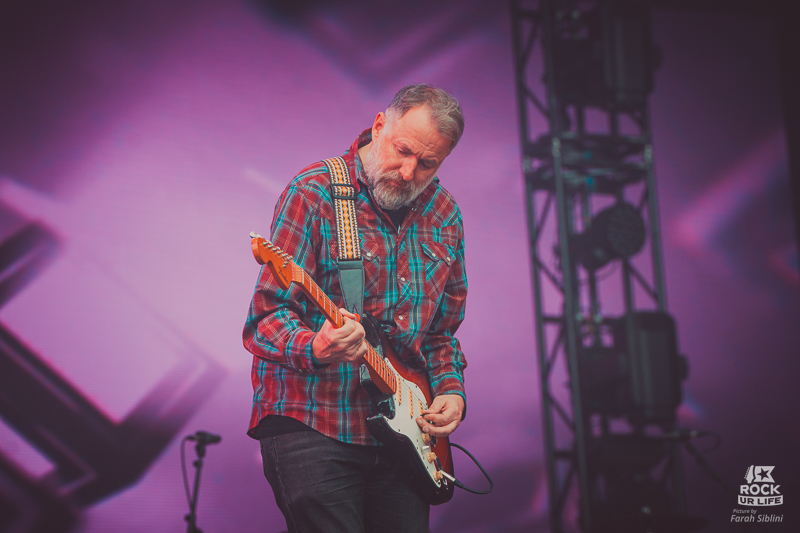
The Main Stage is where our day begins with SLOWDIVE. A vast space that might almost feel oversized for the intimate, misty universe of the British band. Yet from the energetic opening of “Star Roving,” the quintet manages to carve out its own bubble at the heart of the Domaine National de Saint-Cloud. The guitars of Neil Halstead and Christian Savill layer over one another while Rachel Goswell‘s voice seems to float above the whole. Slowdive gradually imposes its cadence on a patient crowd. “Kisses,” “Alison,” and “When The Sun Hits” complete the spell over the Main Stage. A contemplative performance that succeeds above all in preserving the uniqueness of Slowdive despite the festival-scale stage.
Wolf Alice
Almost as soon as we descend from the Slowdive cloud, we must move on. Head to the BoursoBank Stage where a sizeable crowd has gathered to see WOLF ALICE. A slight scheduling snag on this Sunday, as must-see moments spill from one stage to another, leaving little breathing room for festival-goers determined not to miss anything. One will need to elbow through (and quicken the pace) to fully enjoy this final day.
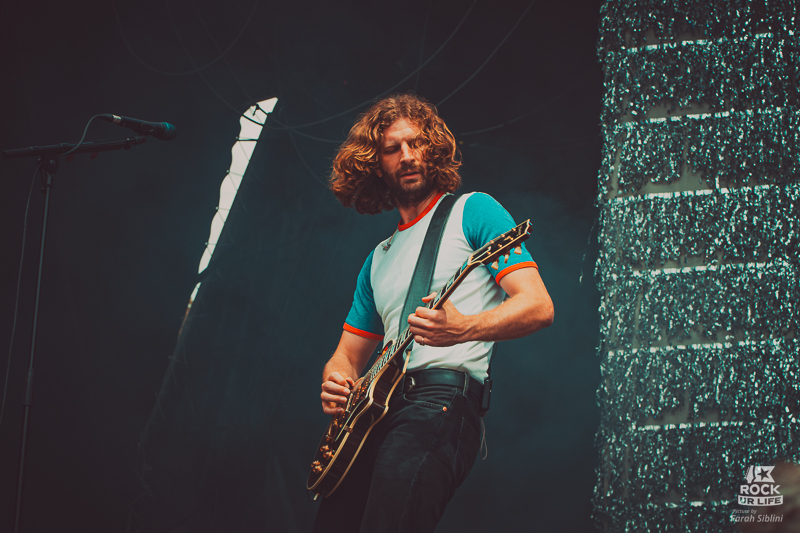
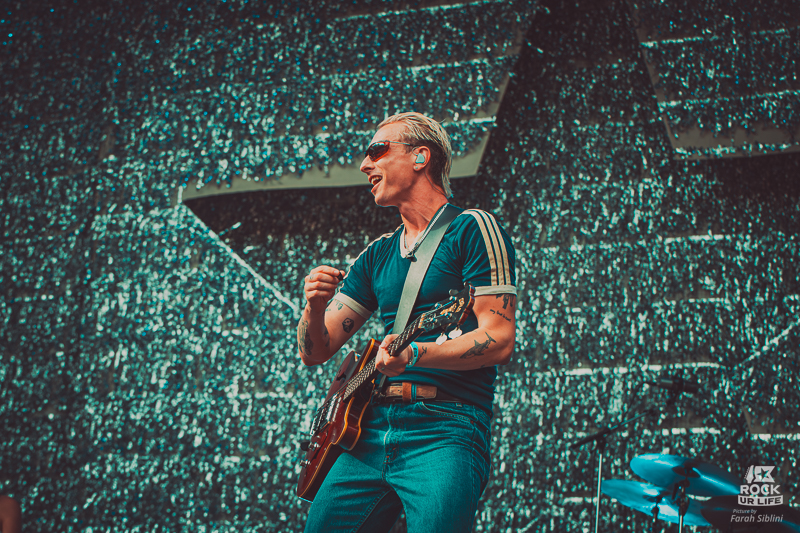
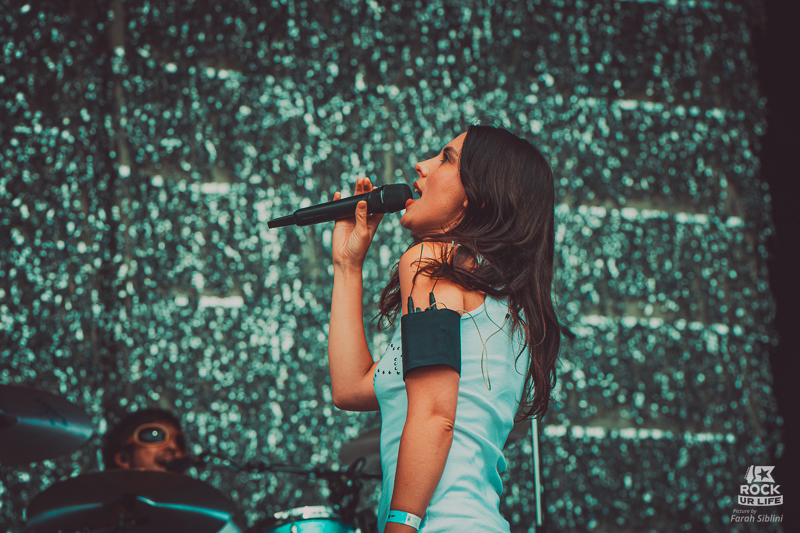
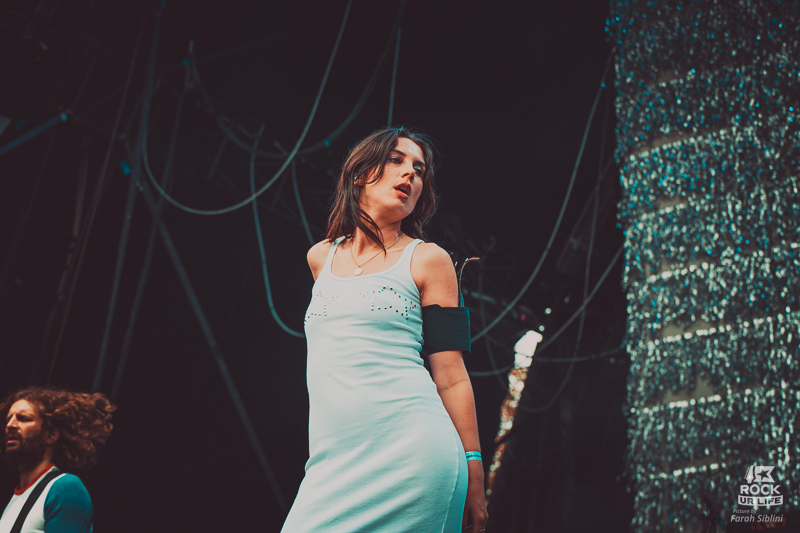
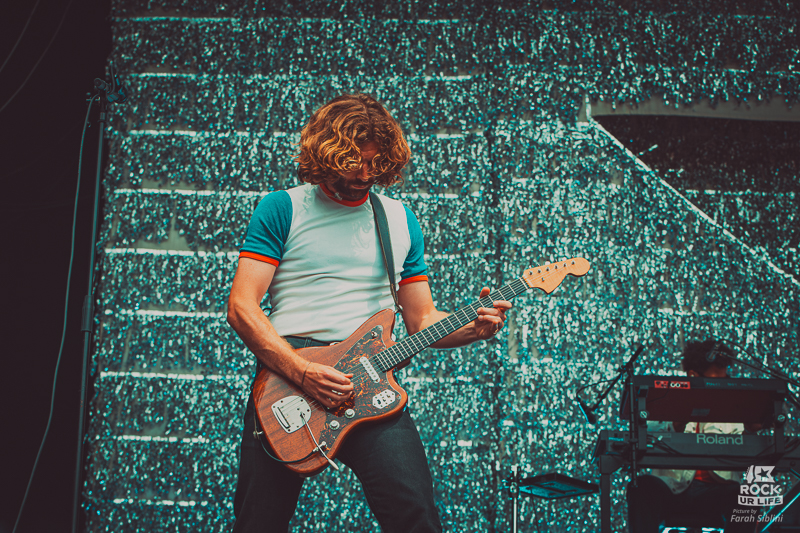
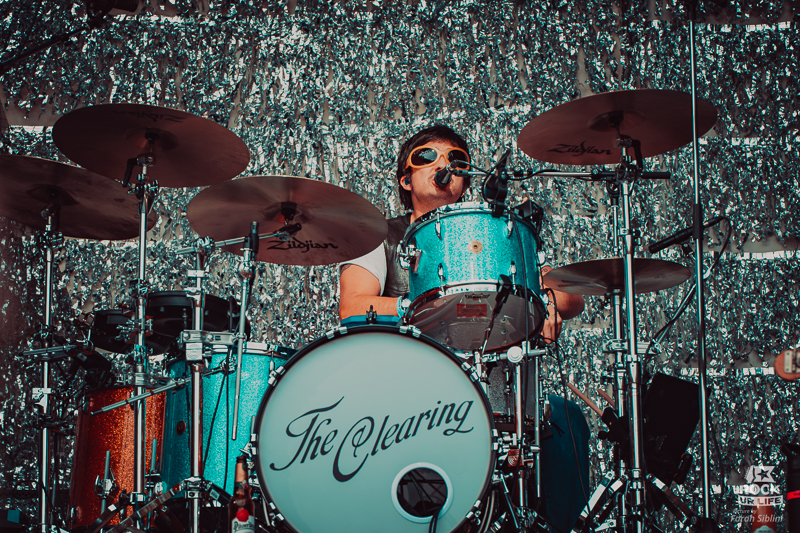
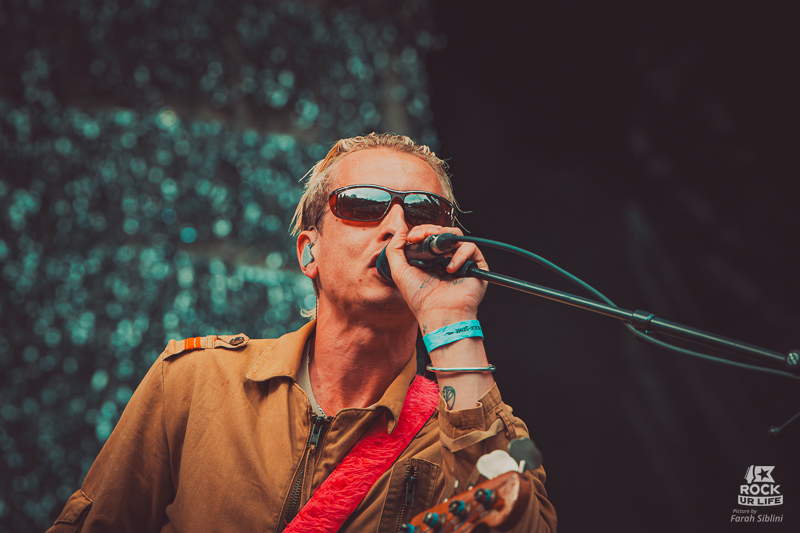
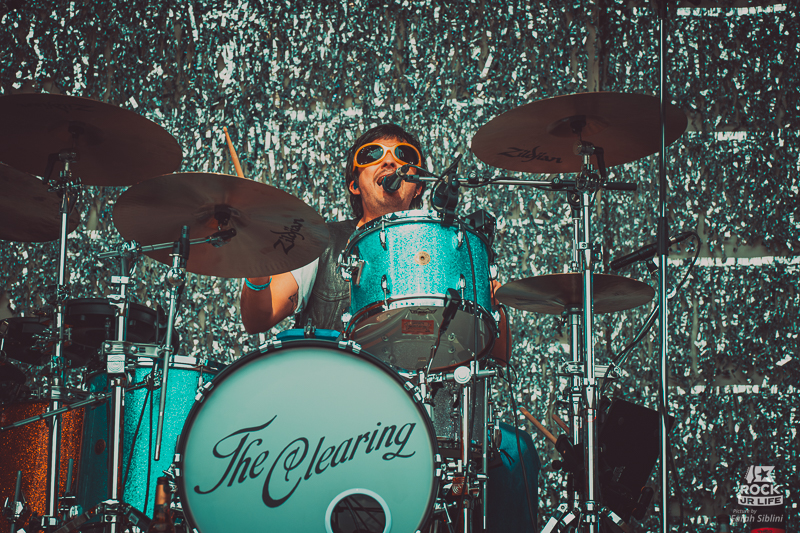
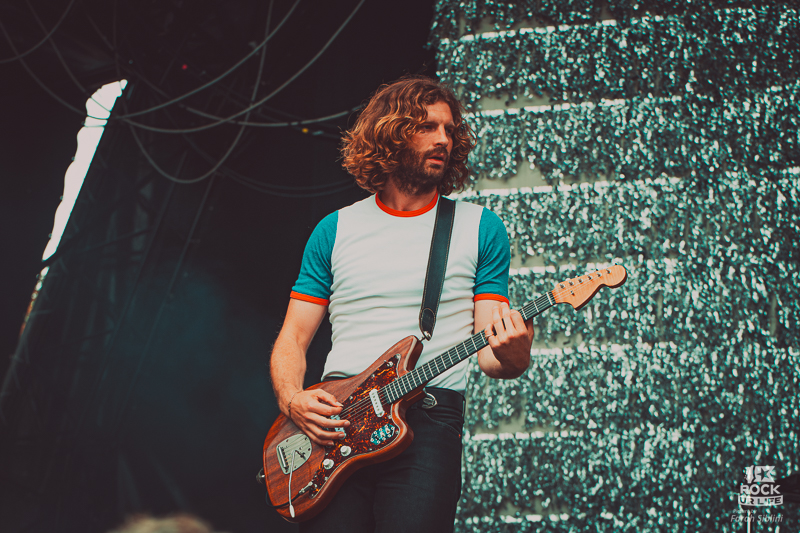
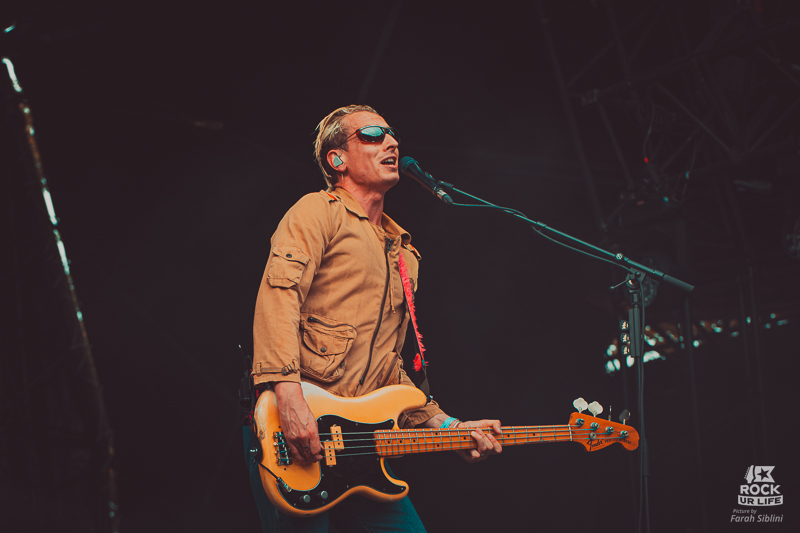
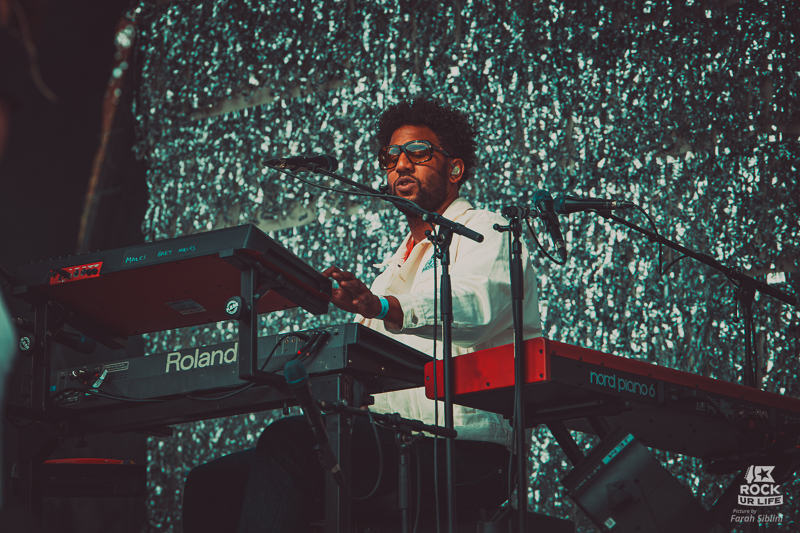
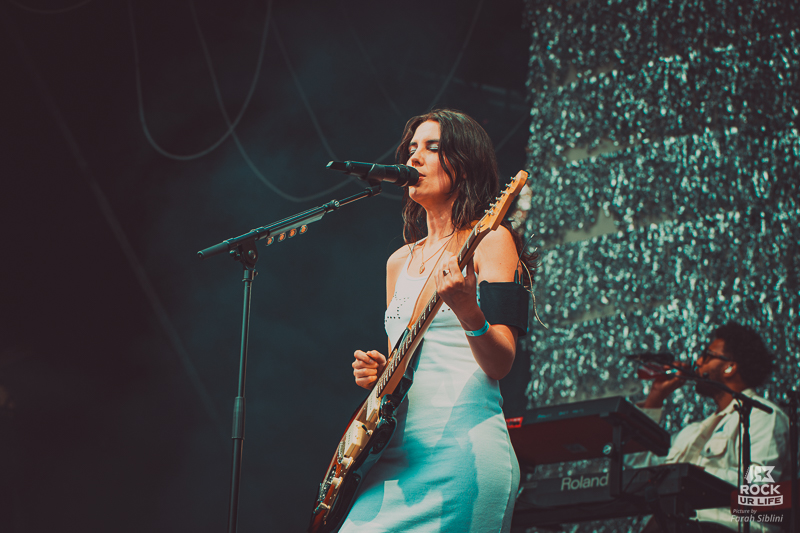
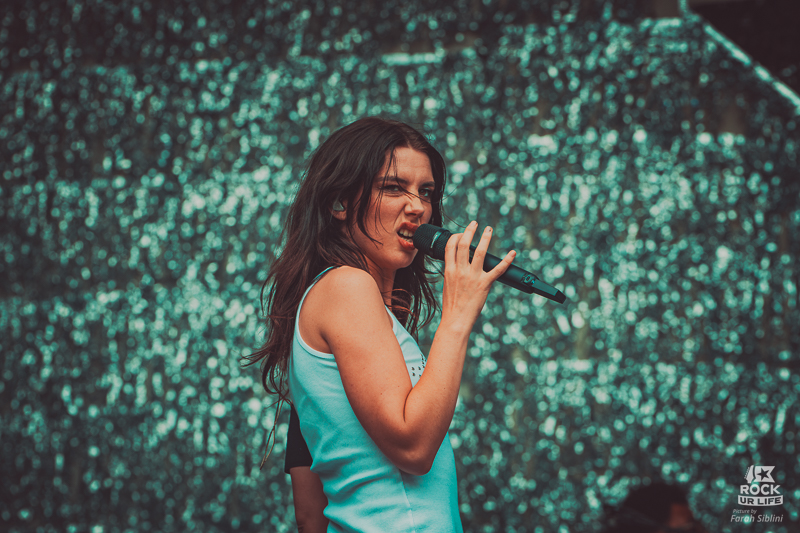
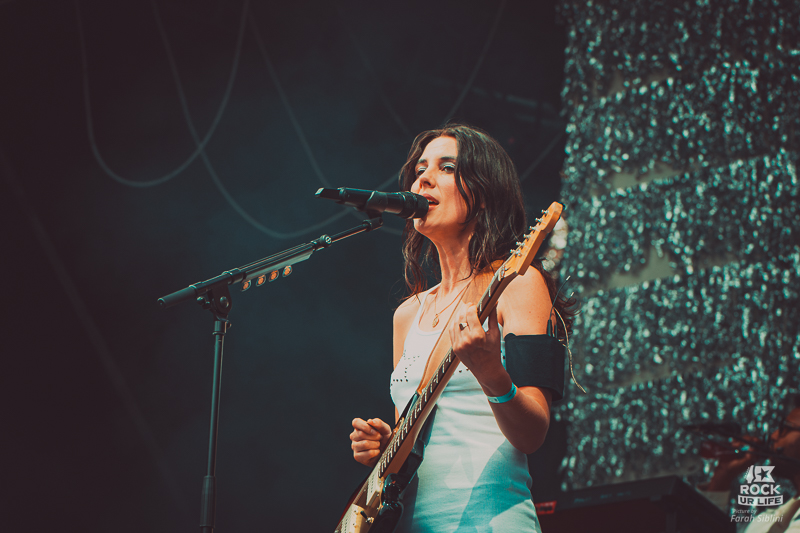
Since The Clearing (2025), the Brits have shifted gears, adding more space for pop and somewhat easing the abrasive rock of their early days. If this pivot can divide on record, it undeniably works brilliantly live. Fueled by Ellie Rowsell’s flawless vocals and a highly engaging stage presence, the band keeps up a fierce energy and frequently calls for audience participation. The closeness goes even further when two fans are invited to join the stage to sing and dance with the group in a festive moment of shared joy.
Interpol
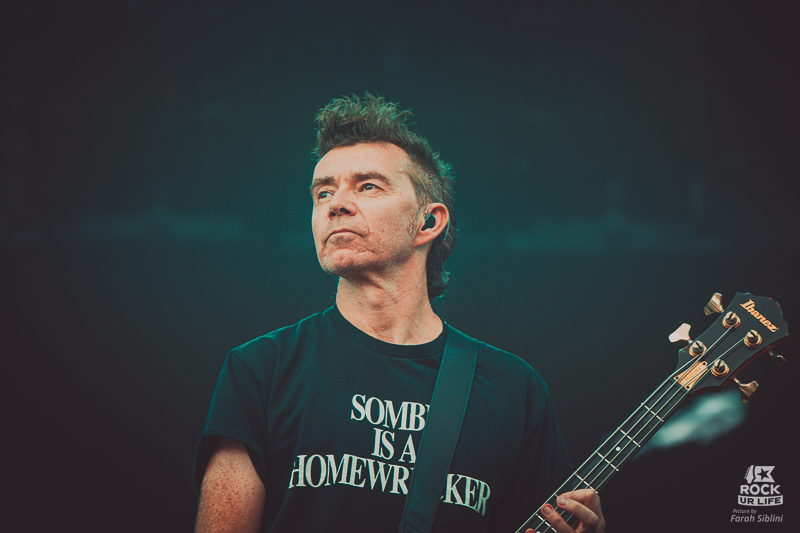
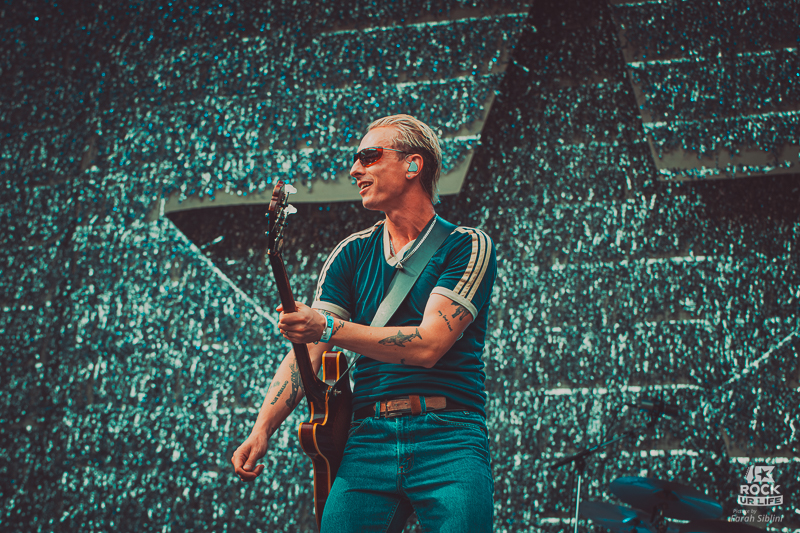
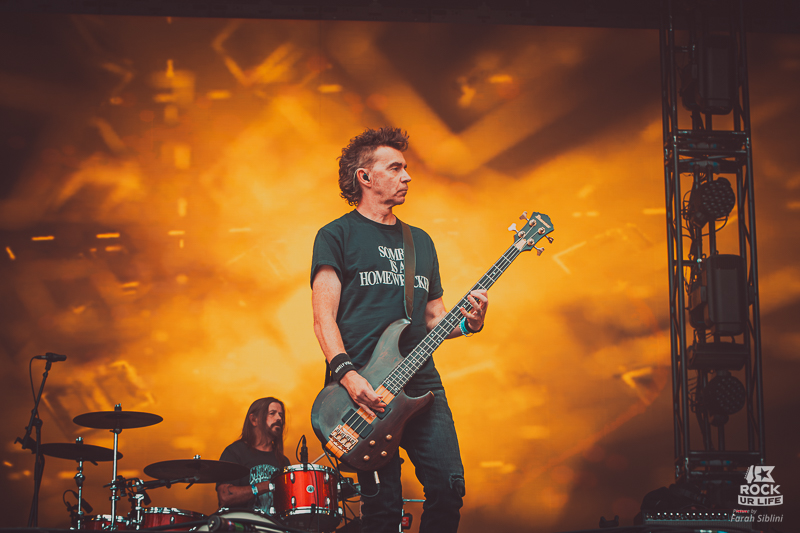
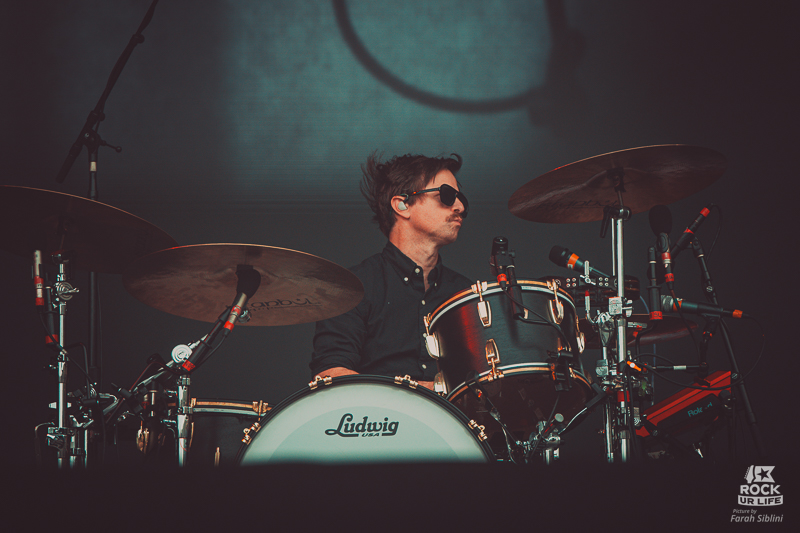
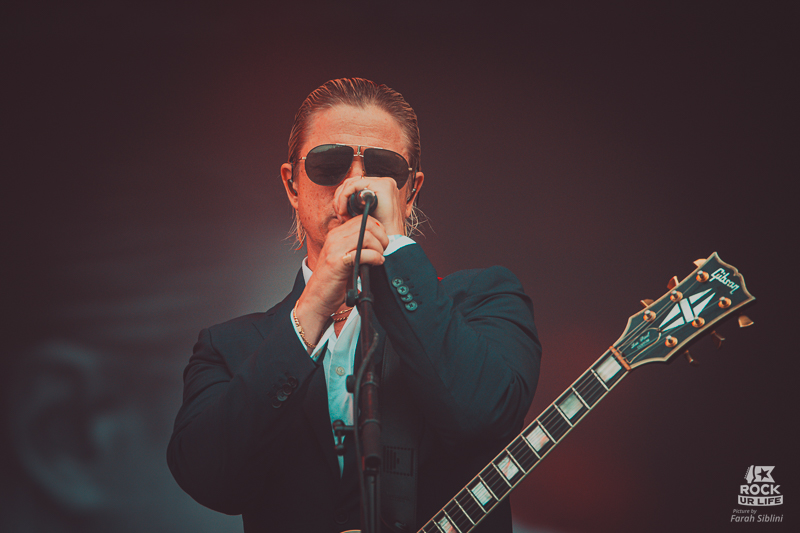
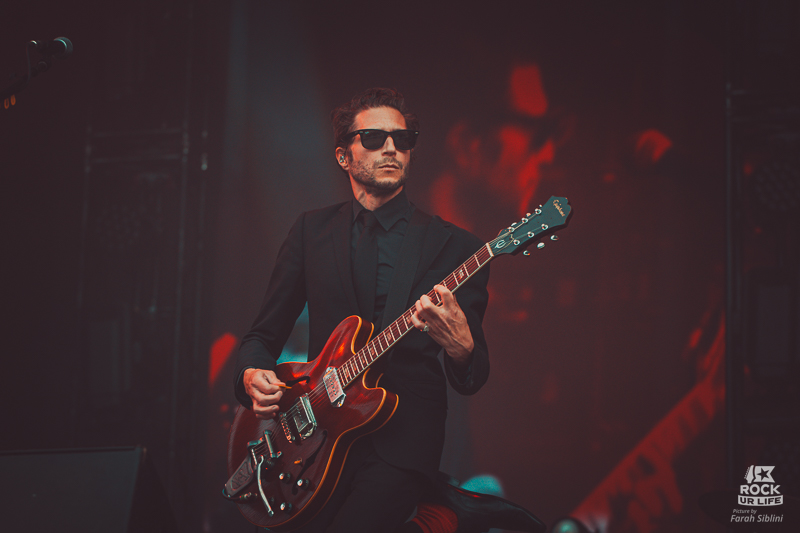
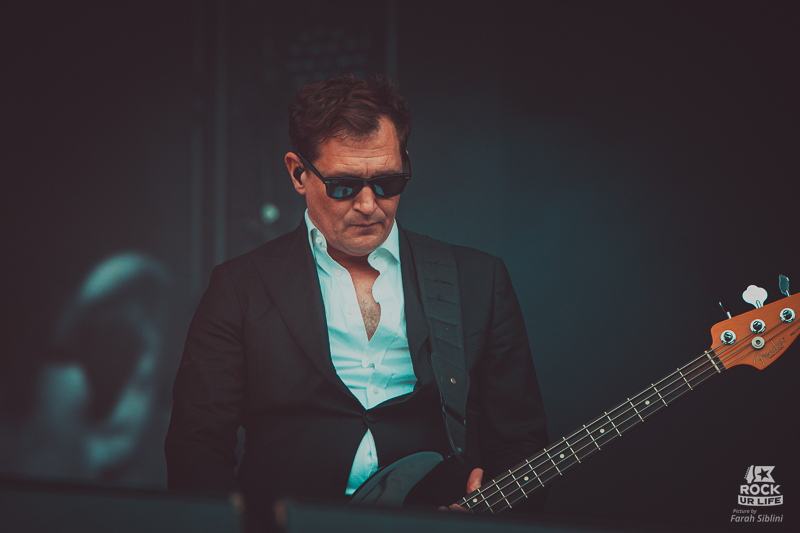
Finally, back to the Main Stage to welcome the New Yorkers of INTERPOL. From the first tracks, some sound issues dampen the mood, with notably overpowering bass that struggles to do justice to the band’s compositions, which seems a bit absent on stage. It takes more than that to unsettle Paul Banks and his crew, who gradually manage to pull themselves together. If the opening segment sometimes lacks depth, the classics “Evil” and “C’mere” let them reconnect with Interpol’s hallmark sound. A tepid start, but a welcome climb in intensity. The New Yorkers have already drawn a sizable crowd to the Main Stage, but as soon as the set ends, the remaining spaces fill up rapidly. Those who had enjoyed other festival stages now converge on the same spot.
The Cure
Almost 40,000 people are expected to stand before the stage to witness the final show of The Cure’s summer tour. In this crowd, every generation blends together. A man is about to attend his 65th Cure concert. Just a few meters away, twenty-somethings are about to discover Robert Smith for the very first time. Parents are there with their children as well. It seems The Cure is one of those bands whose fans never truly stop. We encounter their songs at a moment in life, then they age with those who listen and eventually pass on. Being a fan of The Cure is a story that begins without really an end.
In the end, it’s 20:55 when Robert Smith finally appears. As the opening notes of “Alone” ring out, the frontman offers a moment of rare sincerity. Rather than rushing to the microphone, he takes time to stroll the stage. He moves from one side to the other, surveys the crowd and salutes them. His gestures carry a shy air. A special atmosphere emerges; the connection between Robert Smith and his audience is very much present. Perhaps this is what makes him so legendary. Smith has never truly adopted rock-star codes, and at 67, doesn’t seem ready to start. He simply presents himself as time has shaped him, without trying to hide it, and the audience seems to love him all the more for it.
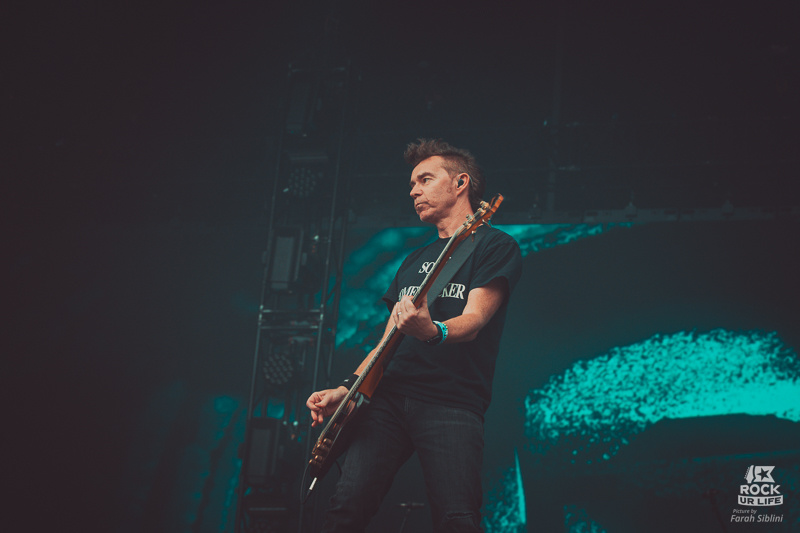
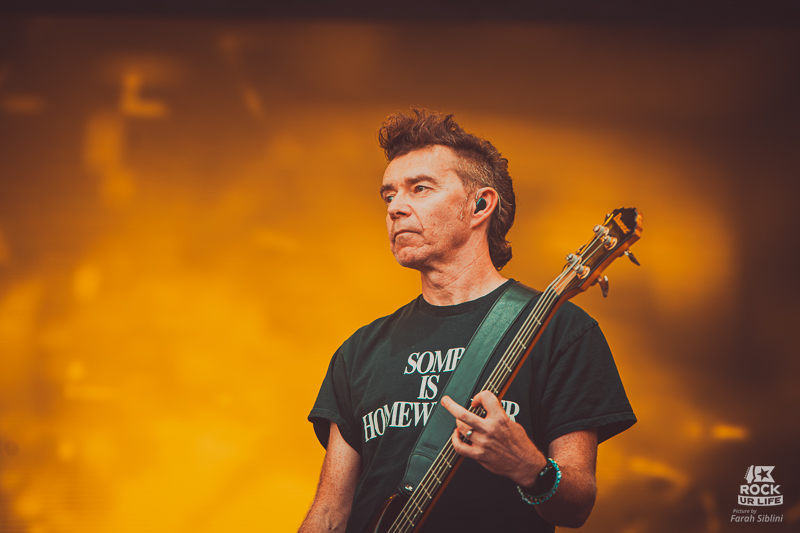
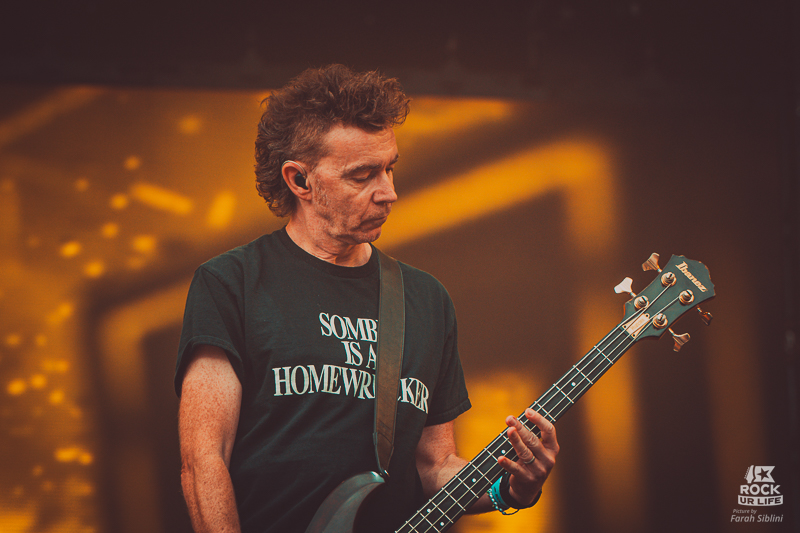
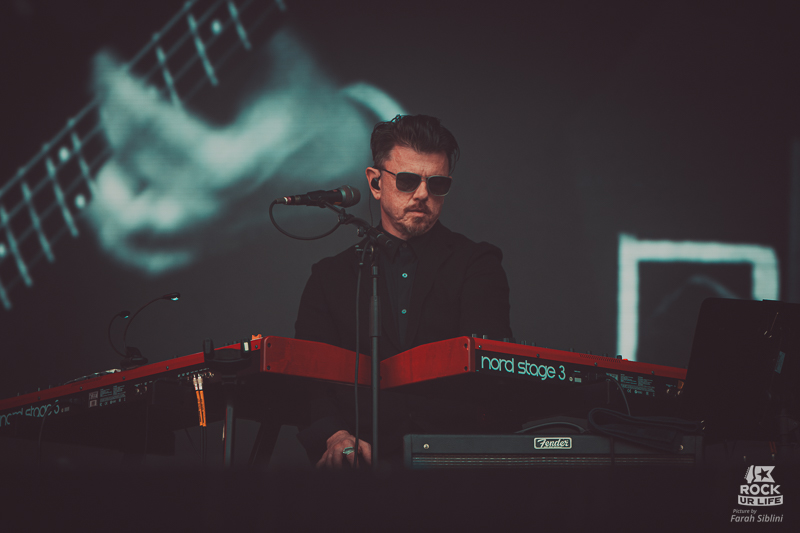
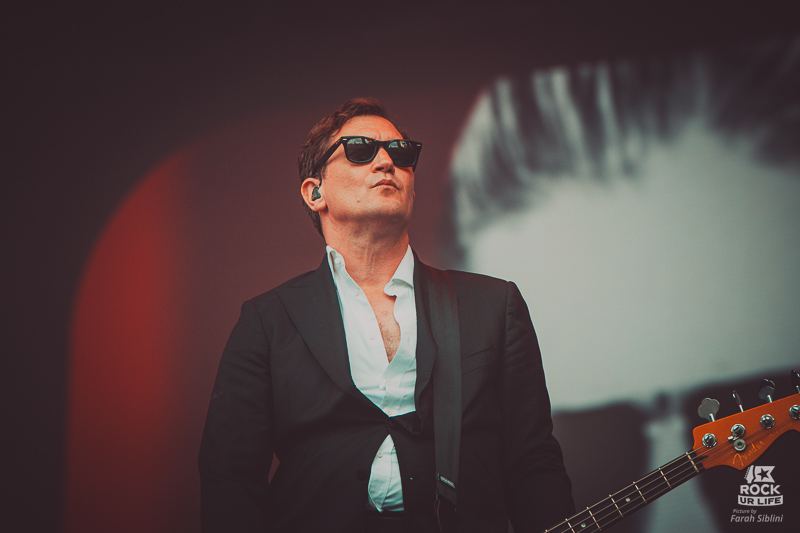
As soon as Robert Smith begins to sing, the crowd is swept away by the singer’s voice. If his appearance bears the marks of age, his voice seems frozen in time, preserving that fragility and above all that instantly recognizable timbre that gives the strange impression that nothing has moved. “Pictures Of You,” “Lovesong,” “Fascination Street”: the first act of this concert plunges Rock En Seine into the melancholic and atmospheric side of The Cure. Yet melancholy does not mean inactivity. Simon Gallup and his bass, the band’s backbone, lend physical depth to the whole while Robert Smith exchanges glances and smiles with his fellow musicians. The setlist, crafted for a show of this scale, traverses the classics (the sequence of “In Between Days” and “Just Like Heaven” thrilled many) and reaffirms, if needed, how The Cure’s repertoire has become cult through the decades. Then comes “A Forest.” At nightfall, it’s hard to imagine a better backdrop than the Domaine National de Saint-Cloud and its trees to let that hypnotic bass line flood the space. And hypnotized, the roughly 40,000 festival-goers surely are, hanging on the notes of a band that, nearly half a century after their debut, continues to write their story on stage. After opening the show with “Alone,” The Cure deliver “Endsong,” another track from Songs Of A Lost World (2024), to close the main set.
When The Cure return to the stage with “Lullaby,” the audience gradually realizes this encore will be memorable. “The Walk,” “Mint Car,” “The Lovecats,” “Let’s Go To Bed”: the second part of the show simply coexists with this other facet of The Cure, a more pop and joyful side that makes the band difficult to pin down in a single category. And when “Friday I’m In Love” and “Close To Me” arrive, the festival-goers no longer need convincing. “Why Can’t I Be You?” continues the celebration before “Boys Don’t Cry” ultimately signals the end.
For once, it’s really the end. Or almost. As at his arrival, Robert Smith tours the stage, salutes, and gazes at the crowd that salutes him as if he has never fully understood how the songs written by this Lancashire boy came to accompany so many lives. For The Cure is one of those groups that accompanies a life, with songs you revisit because they simply feel good. For 2 hours and 30 minutes, Rock En Seine lived inside this strange time capsule, which we hope will open again someday.
With nearly 175,000 festival-goers gathered at the Domaine National de Saint-Cloud, this 22nd edition of Rock En Seine once again confirms the festival’s proud scale. Across five days, essential artists and new discoveries took turns in an eclectic program, with this year a notable return to the festival’s rock roots, including a Saturday entirely devoted to the genre. Despite occasionally capricious weather, once again set Saint-Cloud alight. See you in 2027!
Day 1 – Day 2 – Day 3 – Day 4 – Day 5